


Solar costs jump 18%, but remain the cheapest generation to build, Lazard says
- Record US electricity demand has increased the need for new generating capacity while also raising development costs
US solar project costs rose 18% due to tariffs and interest rates, yet solar remains the cheapest new electricity source. Natural gas plant costs also hit a 15-year high amid surging power demand.
- Rising costs for solar and natural gas power projects.
- Factors increasing solar project expenses, including tariffs.
- Renewables' continued competitiveness for new electricity generation.
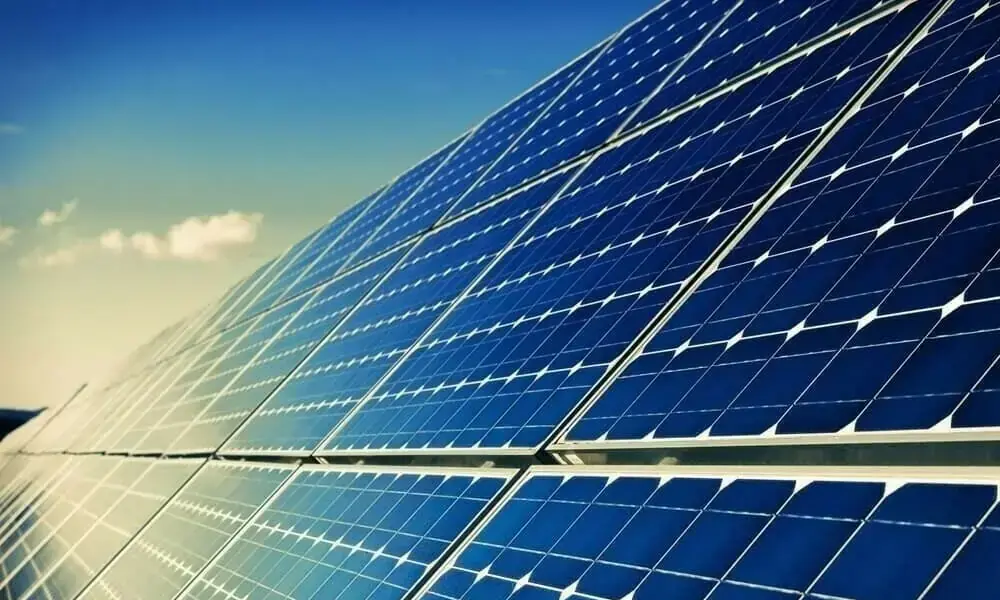
NEW YORK: The cost of building solar power projects in the United States has jumped 18% from a year earlier as tariffs, elevated interest rates and other cost pressures take hold, but the renewable energy source remains the cheapest form of new electricity generation to build, according to an annual report released on Monday by financial advisory firm Lazard.
Meanwhile, the levelized cost of energy, a measure of the average cost of generating electricity over a power plant’s lifetime, from new combined-cycle natural gas plants rose to a 15-year high, with Lazard warning that costs could climb further as equipment shortages and booming power demand pressure the market.
Record U.S. electricity demand, driven by data center growth and the electrification of sectors such as transportation, has increased the need for new generating capacity while also raising development costs.
Lazard found the levelized cost, or the average cost of producing a unit of electricity over the lifetime of a power plant, of utility-scale solar rose to $40-$98 per megawatt hour from $38-$92 per MWh a year earlier.
Samuel Scroggins, head of renewables & sustainable infrastructure at the bank, said levelized costs for solar and storage have increased due to a number of factors. These include higher capital costs, elevated interest rates and inflationary pressures, such as tariff pass-through and the repricing of supply chains as they diversify away from China toward other parts of the world, including Southeast Asia.
Despite this, renewables such as solar and onshore wind — which increased in cost to $37-$99 per MWh from $37-$86 per MWh, per the study — are still expected to account for most new U.S. generating capacity in the near term because they can be deployed relatively quickly.
Even after accounting for the costs of backing up intermittent renewable generation to ensure reliability, solar and wind projects remain broadly competitive with new gas-fired generation, underscoring the role renewables are likely to play in meeting rising power demand, Lazard said.
The levelized cost of electricity from combined-cycle natural gas plants, which burn gas to drive one turbine and then use steam by-products to drive a second turbine, rose to $51-$129 per MWh. The generation source remained attractive to utilities and power developers for its consistent output.



















Comments