


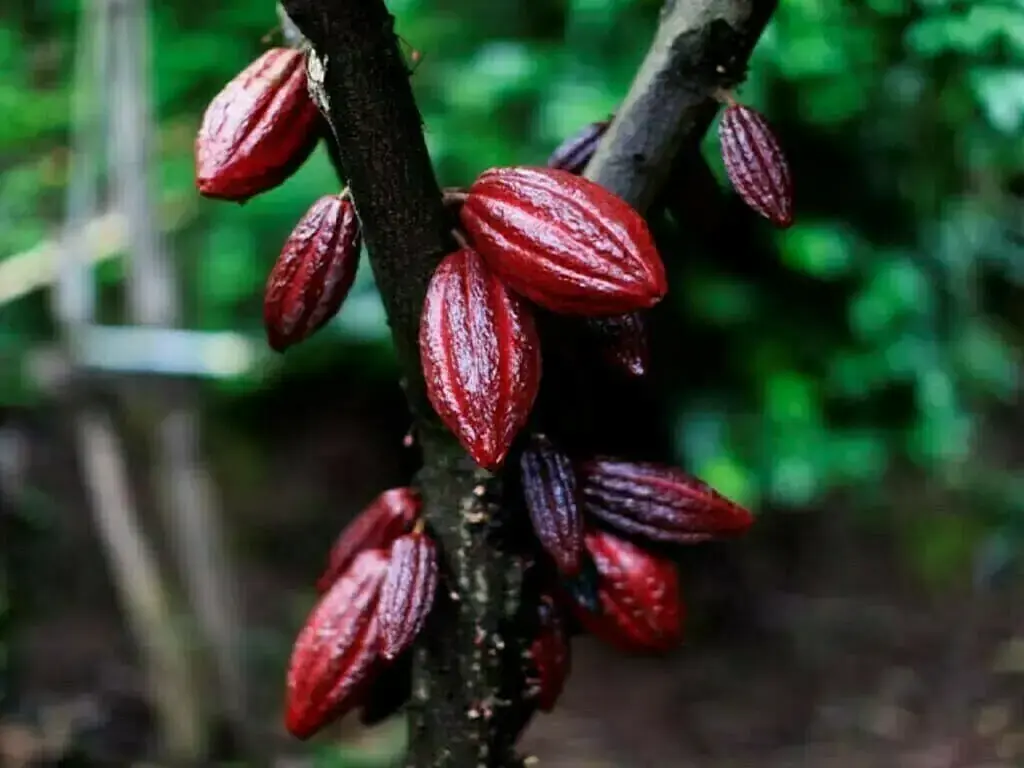
ABIDJAN: Top cocoa grower Ivory Coast’s upcoming 2026/27 main crop is expected to drop more than 10percent amid excess rains, disease and insufficient crop care, pod counters and exporters based in the country said.
The excess rains are linked to the El Nino weather pattern — expected to strengthen sharply — that tends to disrupt rainfall patterns, winds and temperatures in West Africa, a region that produces some 70percent of the world’s cocoa.
Four pod counters and five major exporters that monitor crop development in Ivory Coast said they see next season’s main crop, which runs from September 1 to end-February, down at 1.35- 1.45 million metric tons from an estimated 1.6 million this season. Consultancy Oxford Economics said initial estimates suggest Ivory Coast’s full 2026/27 cocoa harvest could fall by roughly 20percent as El Nino combines with elevated fertiliser prices to pose notable risks to crops. Late-June crop surveys in Ivory Coast showed more than 20percent of flowers and cherelles, or young pods, had died between May and June due to heavy rainfall, which caused the cherelles to yellow and drop prematurely, according to the pod counters and exporters.
They added that cooler conditions, alongside the excess moisture, had in turn encouraged the spread of black pod - a fungal disease that thrives in wet conditions and causes cocoa pods to rot. “The mortality rate of flowers and cherelles was much higher in June than in May because of cooler weather, rainfall and insufficient (crop) treatment,” one pod counter said, estimating the main crop at 1.4 million tons if conditions do not improve.
The widespread presence of large green pods in regions that produce some 80percent of Ivorian cocoa points to a strong mid-crop this season, but one that may have come at the expense of next season’s main crop, exporters and pod counters said.
They noted that favourable weather between January and May helped produce unusually large beans and high bean counts of around 110 beans per 100 grams versus an average of 130-160 for this stage of the season. However, the high counts could mean the trees are exhausted and set to produce less next season.
Exporters said about 200,000 tons of cocoa could still arrive at Ivorian ports between July and the end of August, boosting final production for the current season. Next season, however, concerns over the impact of El Nino are growing. World cocoa prices almost tripled in value in 2024 amid the last El Nino which ran from mid-2023 to mid-2024 and was considered moderate-to-strong.
“We are very worried (about El Nino) because the impact would be enormous,” said the head of another export company based in San Pedro.






















Comments