


Forfeiture of performance guarantee: SC dismisses appeal of private co against TCP
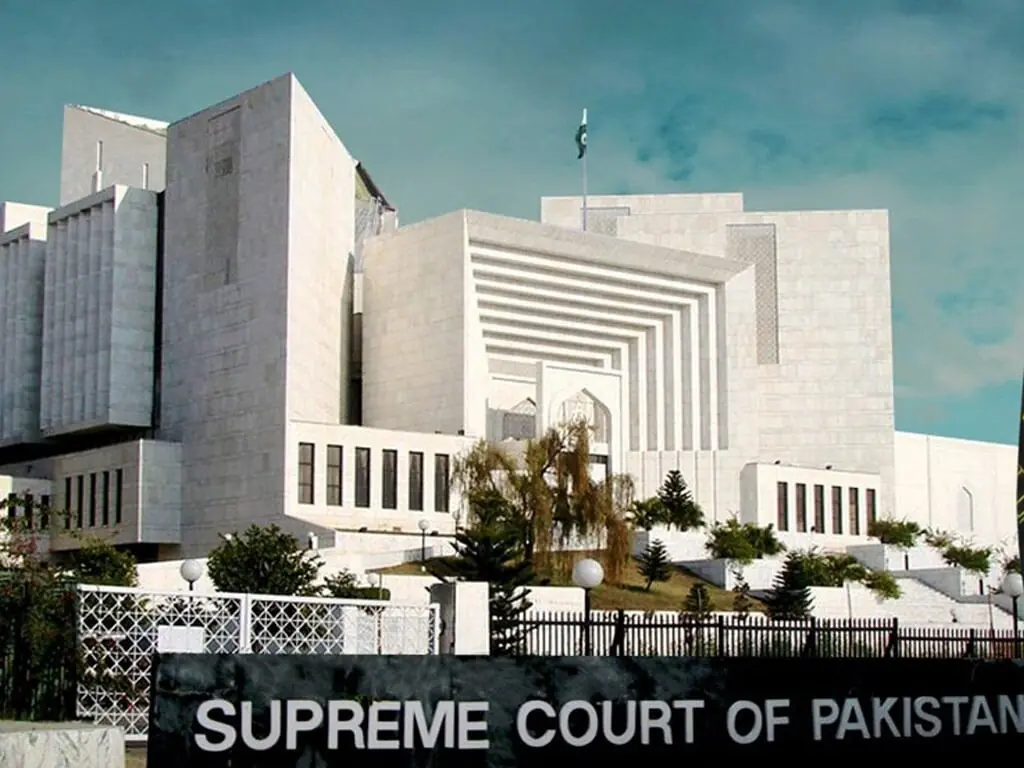

ISLAMABAD: The Supreme Court has held that the forfeiture of the entire amount of the performance guarantee by the Trading Corporation of Pakistan (TCP) was justified and reasonable in the facts and circumstances of a row between the TCP and a private company.
The Court also held that Abdulla Mezroei Metal Trading Company is not entitled to recover damages amounting to USD 3.465 million or any other amount from the TCP.
A three-member bench, headed by Chief Justice Yahya Afridi, dismissed an appeal filed by the company. It also set aside the judgments of the Single Judge and the Division Bench of the Sindh High Court insofar as they directed the refund of the performance guarantee, while upholding the decision rejecting the company’s claim for damages.
The TCP and the company entered into a contract on August 31, 2005, for the supply of urea. The company offered to supply 50,000 metric tonnes of urea to the TCP for USD 225 per metric tonne, and TCP accepted the offer.
According to the contract:
(a) The company was required to furnish a performance guarantee equal to three percent of the contractual value within seven days of acceptance, binding it to the due and satisfactory performance of the contract.
(b) TCP was obliged to open a Letter of Credit (LC) for the full contractual value within 10 days of receiving the performance guarantee.
(c) The total contracted quantity was to be shipped in three consignments: the first within 15 days of the opening of the LC, the second within 22 days, and the third within 29 days. Time was expressly stated to be of the essence.
(d) The performance guarantee was liable to forfeiture in the event of failure to supply the goods within the stipulated period or upon breach of any contractual term. As stipulated in the performance guarantee bond, any extension of time or indulgence granted to the company would not absolve it of liability there-under.
Under the contract, the original timeline stipulated that the performance guarantee was to be furnished by September 7, 2005; the LC was to be opened by September 17, 2005; the first shipment was to be made by October 2, 2005, the second by October 9, 2005, and the final shipment by October 16, 2005.
The company had, independently of the contract with the TCP, entered into a back-to-back arrangement with Gates Transfercenter International on August 27, 2005, for the procurement of 50,000 metric tonnes of urea while the contemplated contractual relationship with the TCP was still being finalised.
The arrangement was subsequently revised on September 5, 2005, when the parties amended their agreement to align it with the company’s commitments under the contract with the TCP. Under the revised arrangement, the company undertook to make an upfront payment of 30 percent of the contract value, amounting to USD 3.465 million, and further agreed to secure the remaining 70 percent through a letter of credit to be opened upon receipt of an operative LC under the separate contractual arrangement. However, the arrangement was not completed, and the advance payment stood forfeited on October 4, 2005.
Following the cancellation of the contract and the encashment of the performance guarantee, the company filed Suit No. 1059 of 2008. The TCP sought referral of the dispute to arbitration under Section 34 of the Arbitration Act, 1940. The application was ultimately allowed on appeal, resulting in the appointment of a sole arbitrator.
In an award dated January 18, 2010, the sole arbitrator directed the TCP to refund the encashed performance guarantee amounting to AED1.239 million and further awarded damages of USD 3.465 million to the company.
The TCP challenged the award before the Sindh High Court (SHC). A Single Judge of the SHC set aside the award of damages while maintaining the direction to refund the performance guarantee. On appeal, the SHC Division Bench upheld this conclusion, albeit on different grounds, holding that because the delays in operationalising the LC were attributable to the TCP, the forfeiture of the performance guarantee was unjustified.
TCP then challenged the SHC judgment before the Supreme Court.
Copyright Business Recorder, 2026



















Comments