


Traders urge govt to adopt effective measures to help boost exports
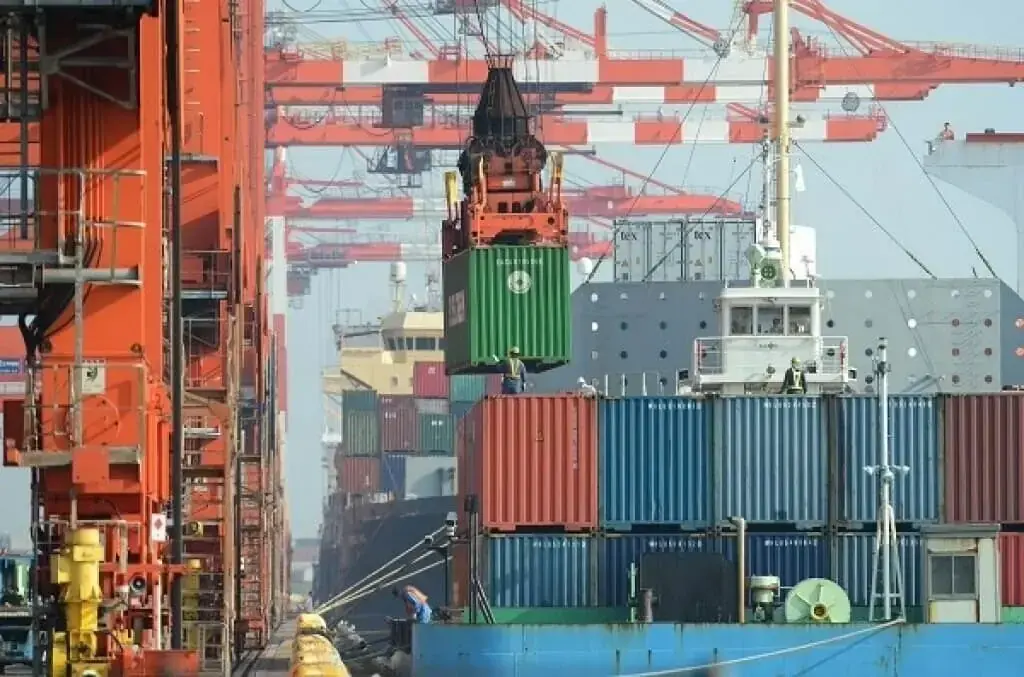

KARACHI: Business community has urged the government to adopt effective measures to boost exports, promote industrial production, and curb non-essential imports in order to place the economy on a sustainable growth path.
United Business Group (UBG) Patron-in-Chief S M Tanveer has warned that the widening trade deficit could make it increasingly difficult for Pakistan to meet its external debt obligations, attract investment, and maintain adequate foreign exchange reserves.
If the current trend continues, he cautioned, the economy could face even greater pressure.
S M Tanveer said that Pakistan’s trade deficit reaching USD39.5 billion during FY2025-26 reflects an alarming economic situation.
He noted that the country’s trade deficit has climbed to its highest level in four years. While imports increased by 8 percent and exports by 6 percent during the fiscal year, he stressed that export growth remains insufficient compared to the pace of rising imports.
S M Tanveer urged the government not to rely solely on non-tax measures but instead create a business-friendly environment, reduce the cost of production, and provide immediate relief to the export sector to strengthen the country’s trade performance.
FPCCI President Atif Ikram Sheikh stated that exports in June 2026 amounted to USD2.24 billion, representing a 16.7 percent decline compared to May 2026 and a 9.6 percent decrease compared to June 2025.
He said the sharp fall in exports, coupled with rising imports, reflects the significant challenges facing Pakistan’s industrial and manufacturing sectors.
UBG President Zubair Tufail described the trade deficit of USD39.5 billion at the end of FY2025-26 as an extremely alarming level.
He said that the persistently high interest rate has severely affected industrial activity and emphasized that further cuts in the policy rate are essential to encourage investment and business expansion.
He called on Prime Minister Shehbaz Sharif and the Federal Minister for Finance to introduce long-term economic reforms and formulate policies aimed at achieving sustainable export growth, accelerating industrial development, and ensuring lasting economic stability.
Pakistan’s trade deficit widened to USD39.5 billion at the close of fiscal year 2025-26, reaching its highest level in four years.
According to official data, the sharp increase was driven by declining exports and rising imports.
The figures show that exports during the fiscal year stood at approximately USD30.1 billion, while imports surged to USD69.6 billion. Experts attribute the widening trade gap primarily to higher global oil prices, an increased import bill, and sluggish export growth.
Copyright Business Recorder, 2026
















Comments