


Merchant, arbitrage flows extend Indian rupee's losing streak even as dollar slumps
- The currency ended at 95.3925 against the dollar
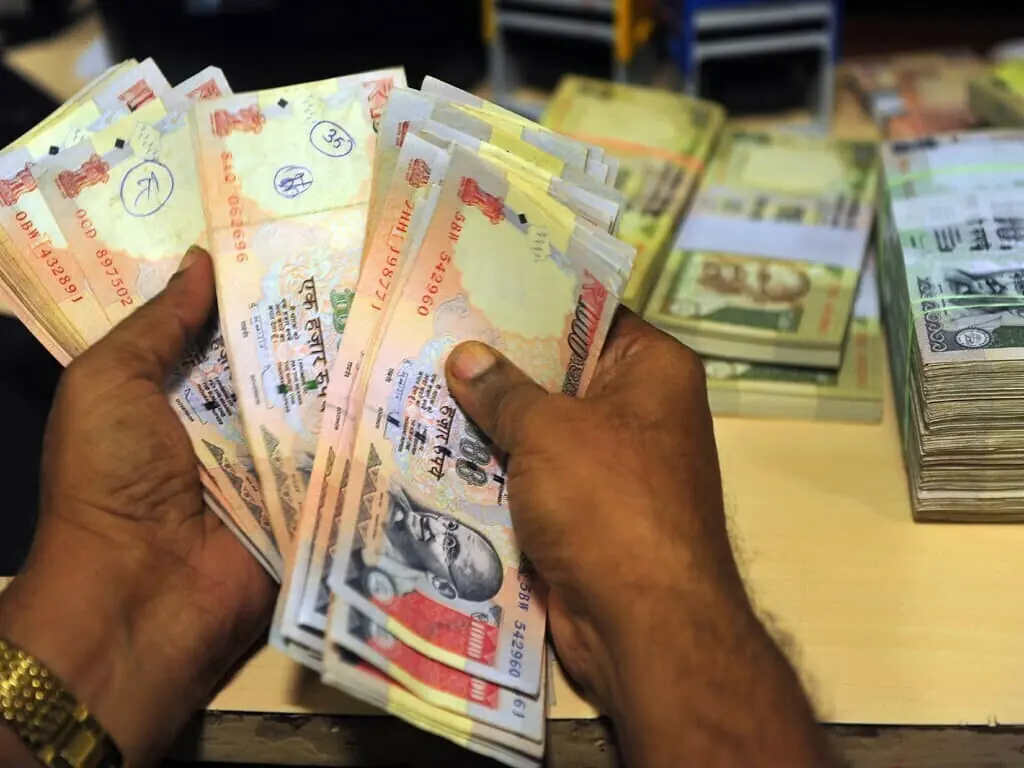

MUMBAI: The Indian rupee declined for the fourth consecutive session against the dollar on Thursday as market flows related to arbitrage trades and merchant payments pinched the currency despite weakness in the dollar and likely market intervention.
The rupee rose to a peak of 94.9375 in early trading, helped by dollar sales from state-run banks, likely on behalf of the Reserve Bank of India, but retreated swiftly as dollar demand picked up through the session.
The currency ended at 95.3925 against the dollar, down 0.1% from its previous close. It has fallen about 1% in the last four sessions.
Traders said that although state-run banks were seen offering dollars on Wednesday, dollar bids gathered steam in the latter half of the day and stop-losses on long rupee wagers were triggered, leading to a fall in the local currency.
Despite foreign inflows and lower crude oil prices, the rupee has weakened sharply. Markets have increased bullish dollar bets, showing that investors are still reluctant to abandon the dollar, said Amit Pabari, managing director at FX advisory firm CR Forex.
“If the rupee cannot strengthen on good news, any negative development could easily push the pair (USD/INR) towards the 95.80–96.00 zone.”
Dollar demand related to arbitrage positions between the non-deliverable and deliverable forward markets also pressured the rupee on the day, traders said.
Payrolls Thursday
Most Asian currencies rose on Thursday, with investors eyeing the moves in U.S. Treasury yields, which have supported the dollar ahead of the crucial June non-farm payrolls report due later in the day.
The payrolls report is expected to be a key trigger as a stronger-than-expected data could push Treasury yields higher, increasing pressure on the rupee and other Asian currencies.
Interest rate futures have assigned a 67% probability for a 25 basis point rate hike by the Federal Reserve in September. On the day, the dollar index fell 0.4% to 101.
“To reinforce the US dollar’s current upward momentum another robust employment increase and/or drop in the unemployment rate will be needed,” ING said in a note.























Comments