


Indian rupee weakness to persist despite RBI measures to bring in dollars: Reuters poll
- The Indian rupee is forecast to remain weak against the dollar, trading around 95 by end-2026, despite recent measures to boost inflows
The Indian rupee is expected to remain weak against the U.S. dollar despite recent RBI measures to attract foreign capital, as significant foreign investor outflows persist.
- Forecasted rupee-dollar exchange rates.
- RBI's measures to attract dollar inflows.
- Limited rupee appreciation despite capital inflows.
- Central bank's strategy for managing dollar inflows and reserves.
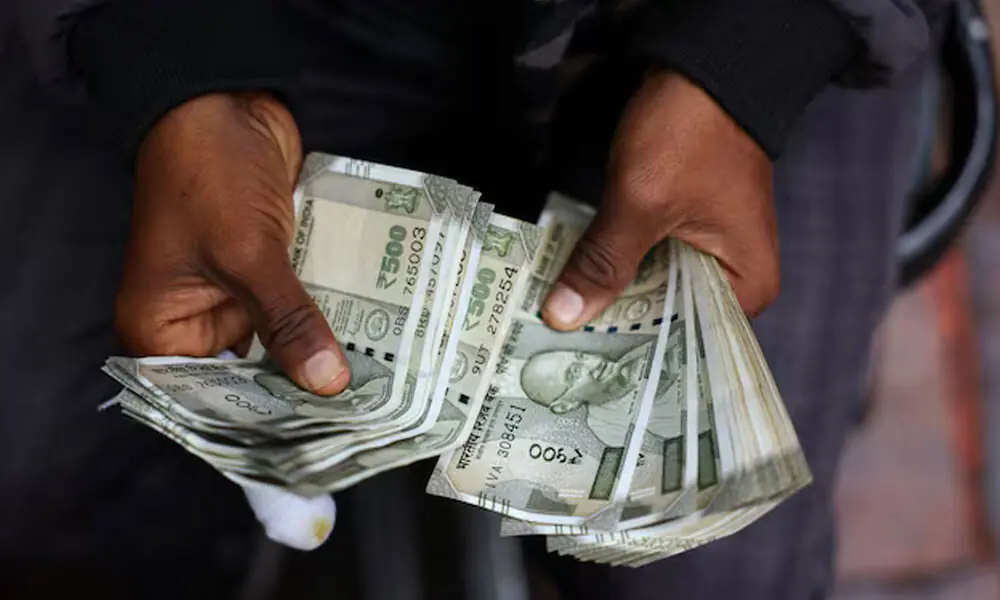

BENGALURU: The Indian rupee will remain weak against the U.S. dollar over the coming months despite expectations that recent measures announced by the Reserve Bank of India will attract billions in foreign capital, a Reuters poll of currency analysts showed.
A sharp drop in global oil prices to levels before the U.S.-Israeli war with Iran started in late February has helped the rupee to recoup some of its losses against the dollar. A new series of RBI steps to boost dollar inflows has also improved sentiment on the rupee.
Still, the currency is down 5.4% against the greenback, opens new tab for the year, as foreign investors have sold equities worth more than $29 billion during this period.
The rupee was forecast to trade around current levels, at 94.5 per dollar in three months and 95 by end-December 2026, according to the median view of 44 strategists polled between June 26 and July 1. It was then expected to change hands at 95.9 in 12 months.
That steady outlook is unchanged from earlier surveys although analysts are less bearish than before.
“Factoring in a positive sentiment effect as oil prices have come off and the capital account pressure will also ease with dollar flows coming in from the measures that the RBI announced,” said Sakshi Gupta, principal economist at HDFC Bank.
“We are expecting a stable movement for the rupee with a mild appreciation bias.”
Limited upside despite inflows
The RBI’s recent measures will attract $50 billion by year-end, median estimates to a separate question showed. Analysts’ predictions ranged from $25 billion to $100 billion.
But Gupta said even with expected capital inflows the rupee is unlikely to pare back all of the losses it has made since March by year-end.
Foreign investors have already stepped up purchases of Indian government bonds after New Delhi scrapped taxes on overseas bond investments earlier this month, with June inflows reaching a record high.
Still, a slight majority of economists, 12 of 21, said the net impact of the expected inflows would lead to only a milder depreciation in the rupee. The rest expected modest appreciation.
Economists said part of the expected inflows, particularly foreign currency non-resident deposits, will be swapped directly with the RBI and are therefore unlikely to be sold in the market, limiting gains for the rupee.
“The rupee remains range-bound because they (the RBI) will not allow (dollar inflows) to come to the market. It will go directly to reserves,” said Anitha Rangan, chief economist at RBL Bank.
Central bank interventions to stem the currency’s slide have pushed its future dollar commitments to an all-time high of $106.7 billion as of May.
“Given that there is a negative forward book that is still staring… and they need to kind of settle that…(the RBI) will use this opportunity to unwind as much as possible and build their reserves as well,” Rangan added.




















Comments