


Missing in action: relational intelligence
Relational Intelligence (RQ) is crucial for effective leadership and success, often overlooked despite its impact on trust and collaboration. The CARE model offers a framework to develop this vital skill.
- The critical role of Relational Intelligence (RQ) in leadership.
- Developing RQ through the CARE model: Credibility, Awareness, Rapport, Empowerment.
- Building trust, collaboration, and influence by empowering others.

It is there. It is there but not there. It is decided. It is understood. It is misunderstood. All of these are words that represent the search for the missing factor. The factor that is missing; and many organizations are struggling to define it; the factor that is being discussed but not mainstreamed in key success factors; and the factor that is part of many other factors but does not factor in on its own. We talk about leaders needing to inspire.
We emphasize how managers need to motivate their teams. We discuss how dealing with stakeholders wisely is so important. We dream about winning over customers. In every single interaction mentioned above the need to relate and have a good relationship is a key. A million dollar advertisement goes waste if our relationship with customers goes sour. Generous increments cannot motivate an employee who has a toxic relationship with his manager.
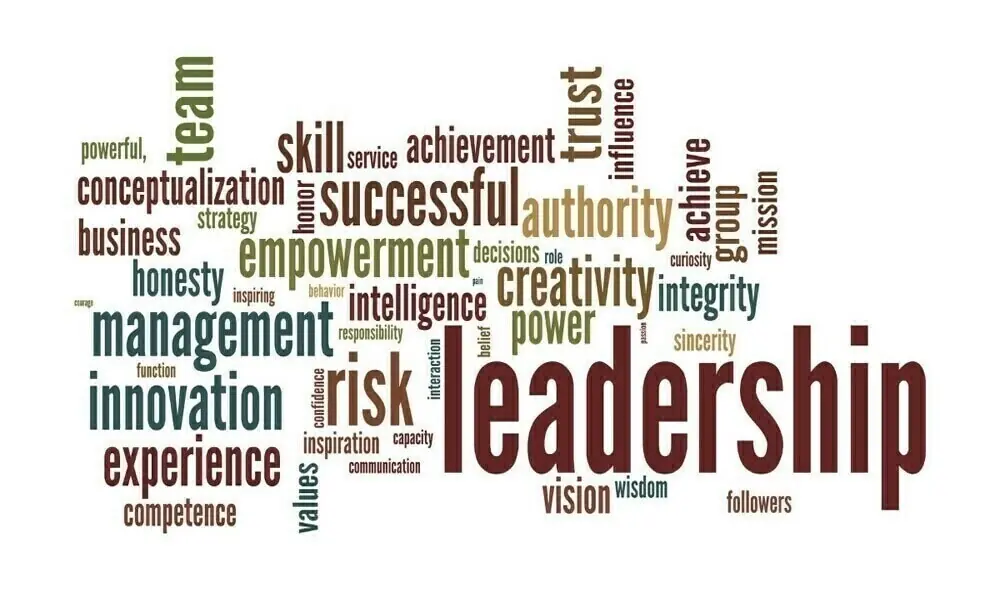
Leadership is not a position; it is a relationship. Leaders can have fancy titles, but the real question is that whether or not people follow them because they have to or do people follow them because they want to. If the answer is they follow them because they “have to” then the leader has a low RQ, i.e., relational quotient. He lacks the relational intelligence to be able to relate to and motivate people.
That is then the crux of the ability to lead, manage and grow. Relational intelligence is the ability to discern, interpret, and astutely manage the dynamics of relationships to create trust, compatibility, and meaningful collaboration. Every study reveals that technical skills are handy to get entry into workplace. As you go up, 80 percent of your job requires people connect, understanding, relating, bonding, influencing, collaborating, etc. Working as a coach one of the most glaring issues facing the most intelligent of coaches is their RQ deficit. They are geniuses at understanding Artificial Intelligence’s importance but are novices when it comes to understanding human intelligence importance. Sad part is that most leadership potential is wasted due to a lack of realization of RQ role. Good news is that it is workable and learnable by focusing on the following CARE (Credibility, Awareness, Rapport, and Empowerment) model:
RQ No.1 — Credibility of the person - Relationship intelligence is based on the credibility of the person. The most important element in any relationship is trust. For an organization to survive and thrive, trust is the seed to sow. High trust cultures produce upto 250 percent higher results compared to low trust organizations. Similarly, the base of any individual whether he is manager or leader is whether he is a credible person or not. If people trust somebody, they relate to them, they respect them, they confide in them, and they depend on them. The first part of the CARE model is to look at the credibility of the person. Credibility is based on two major factors, i.e., integrity and capability. Do people believe that his person is walking the talk? Do people hold him as a person of truth? Do people respect his competence and knowledge? All these factors add up to make a person believable and dependable. A person who lacks credibility may attract people by his great articulation, but his relationships will not last. When people find out his wavering behaviour they will avoid him and suspect him. Suspicion is the cancer of relationships.
RQ No.2 — Awareness is relatedness - Awareness is key to understanding the whole. The biggest pull for people to another person is the feeling that he is understood. Wherever they feel understood, they will feel they belong. That sense of understanding and belonging becomes the base of strong relationships. Awareness includes self-exploration, self-introspection, and self-correction process. It is important to know yourself and accept that there are areas where you lose emotional control. The ability to seek feedback and the ability to recognize emotional triggers are keys to constructive self-awareness. Similarly, how socially aware are you about situations and environments? How is the context being interpreted and how it is affecting your relationship management? The key points are ability to empathize the other person’s situation; and the ability to suspend judgement and look for the thoughts and feelings behind the behaviour of the other person. This awareness level creates receptivity and relatedness both in personal and professional relationships.
RQ No.3 — Rapport to connect and bond - Rapport is that mutual affiliation that makes connection, communication, and bonding easy. Rapport is about taking a genuine interest in the other person; be it your team member or associate. It is not the big ones that matter but the small details that come with real interest that matter. Remembering people’s names and faces is such an instant connect. Being positively curious is a sure winner. That means asking engaging questions like “I read your LinkedIn posts, your analysis was thought-provoking, what do you think about…” This is sure to draw people in relating more. Match the engaging words with the body language. Keep your posture focused; stop looking at the phone or shifting your eyes; and express your understanding. These will work wonders to establish the link that makes for mutual respect.
RQ No.4 — Empower others to inspire - Empowering others is a guaranteed bond builder. Delegating assignments to team and giving them the authority and responsibility is a big signal for trust on them; empowering means letting go and sharing the power. That provides confidence and psychological safety to other people. People want to connect to people who make them feel secure and good. Empowering lifts morale and increases people’s self-esteem. Empowering also means coaching and enabling in difficult situations. Team members, who are stuck are helped to get the work done by leaders, feel obliged and grateful. Empowering also means recognizing their efforts publicly. When you control people, you limit them. When you empower them you build them. This automatically inspires and increases your influence over them paving way for a partnership bonding.
I remember my first lesson in relational intelligence. My colleague and I were supposed to share our trip back home from the office. We were late and tired. Just when we were getting out of the office, I saw her receive a call and stop. I thought she will keep walking and talking, but she did not. I waved impatiently at her to come along as we were late. She calmly ignored me and talked to the person on the phone. I saw her looking concerned and listening and listening with deep interest. I got fed up and sat in the car. She came after 10 minutes. As I looked at her about to burst out, she smiled and said we have a breakthrough. One of our impossible clients had called, and ranted. She gave him genuine, undivided attention, even on the phone. It worked. That one incident taught me more about relational intelligence than anything. RQ is more important than IQ. As Theodore Roosevelt said, “People don’t care how much you know, until they know how much you care.”
Copyright Business Recorder, 2026
The writer is a columnist, consultant, coach, and an analyst and can be reached at [email protected]




















Comments