


Met Office forecasts nationwide monsoon rains, warns of flash floods
- Currents from Bay of Bengal expected to reach upper regions by July 2
Pakistan's Meteorological Department predicts the monsoon season will begin in early July 2026, bringing widespread rain, windstorms, and thundershowers nationwide, significantly reducing current hot conditions and posing various risks.
- Regional forecasts for rain and thundershowers across Pakistan.
- Potential risks including urban flooding, landslides, and infrastructure damage.
- Advisories for authorities, tourists, and farmers during the monsoon period.
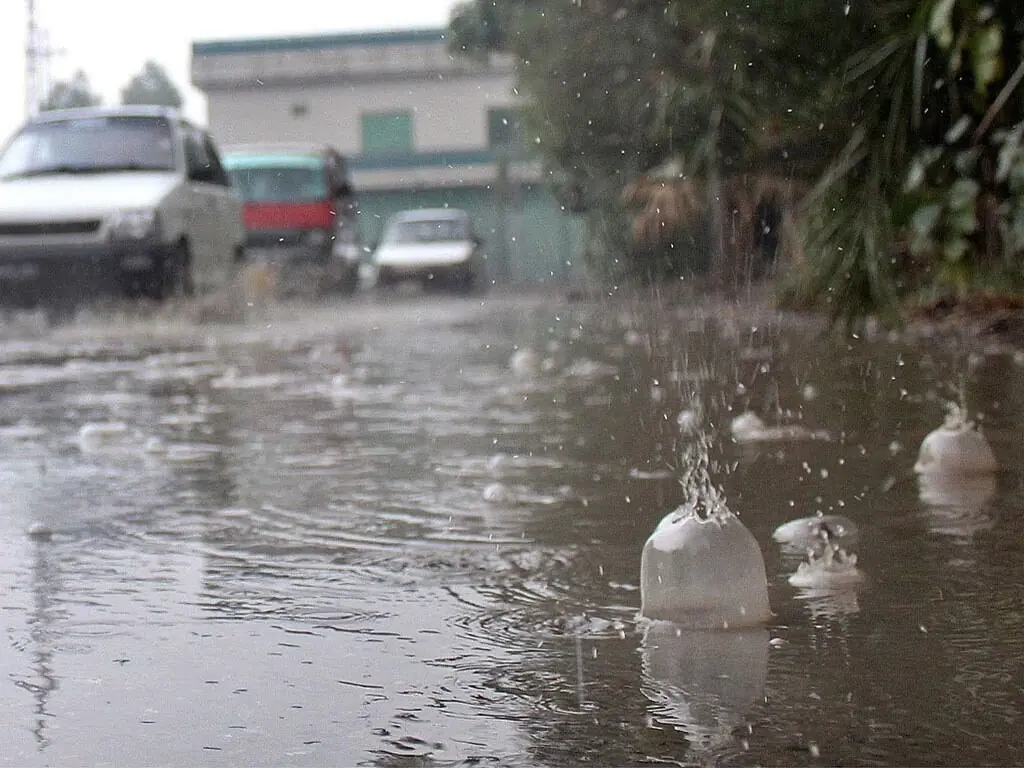

The Pakistan Meteorological Department (PMD) has issued a nationwide alert, predicting the onset of the monsoon season during the first week of July 2026.
A weather system, driven by a westerly wave entering the country’s upper regions on the night of June 30, is expected to bring widespread rain, windstorms, and thundershowers, the Met Office said.
According to the PMD, moisture-laden currents from the Arabian Sea are currently penetrating the eastern and central parts of the country, while similar currents from the Bay of Bengal are expected to reach the upper regions by July 2. This weather system is projected to significantly subside the prevailing hot and humid conditions nationwide.
Scattered rain, windstorms, and thundershowers, with isolated heavy falls, are expected in Kashmir from July 1 to 6. Similarly, Khyber Pakhtunkhwa will experience thundershowers from July 1 to July 5 in districts including Dir, Swat, Peshawar, Kohat, and Bannu, among others.
The northern and central districts of Punjab, including Islamabad, Rawalpindi, Lahore, and Sialkot, are forecast to receive rain from July 1 to July 6. Southern districts, including Bahawalpur, D.G. Khan, and Multan, are expected to see intermittent rainfall from July 3 to July 5.
Rain and thundershowers are predicted for Gilgit-Baltistan from July 1 to July 5. In Balochistan, the north and northeastern regions, including Zhob, Sibbi, and Naseerabad, are likely to receive precipitation from July 1 to July 4.
Northern Sindh districts, including Sukkur, Larkana, Dadu, and Jacobabad, are expected to experience windstorms and thundershowers on July 3 and 4.
The PMD has highlighted several critical risks associated with this weather system. Windstorms and lightning may damage weak infrastructure, including solar panels, billboards, and electric poles.
Authorities have warned of potential landslides in the vulnerable mountainous areas of upper Khyber Pakhtunkhwa, Gilgit-Baltistan, and Kashmir between July 2 and July 6. There is also a significant risk of flash flooding in local streams and nullahs in the northern regions and the hill torrents of D.G. Khan.
Furthermore, heavy rains may trigger urban flooding in major cities, including Islamabad, Rawalpindi, Peshawar, Lahore, and Faisalabad, from July 1 to July 4.
The PMD has advised relevant authorities to remain “vigilant” and take necessary proactive measures to manage potential emergencies. Tourists and travelers are urged to exercise extreme caution and avoid unnecessary travel during the forecast period.
Farmers are also advised to adjust their crop activities and ensure the safety of their livestock in light of the impending weather changes.























Comments