


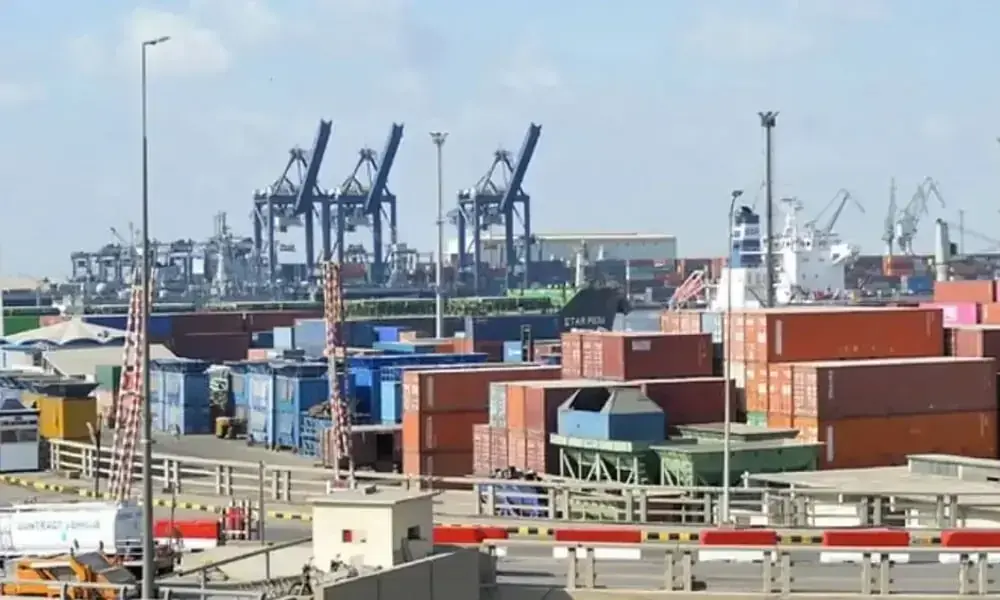
The country continues to grapple with economic challenges, it is essential that the government learns from past policy mistakes and adopts measures that promote exports, investment, industrial growth, and employment.
Business leaders argue that Pakistan’s competitiveness in international markets has been reduced. At a time when global supply chain disruptions created opportunities for developing countries to expand their exports, Pakistan failed to capitalize on these opportunities.
While governments require revenue to meet public expenditures, excessive taxation can discourage entrepreneurship, investment, and business expansion. A tax system should encourage productive economic activity rather than penalize success. Sustainable revenue growth can only be achieved through economic expansion and a broader tax base.
Industrial electricity in Pakistan is significantly more expensive. Competing countries such as India, Bangladesh, and Vietnam continue to offer more competitive energy prices, allowing their industries to attract export orders that Pakistan is increasingly losing. Restoring competitive energy tariffs could play a vital role in revitalizing industrial growth and job creation.
The business community is not merely criticizing government policies; it is offering constructive, evidence-based recommendations.
Pakistan’s economic future depends on a strong partnership between the government and the private sector, working together to promote investment, exports, competitiveness, and sustainable growth.
Hina Khan, Islamabad
Copyright Business Recorder, 2026




















Comments