


China's yuan steady as traders' focus shifts to US rates from Iran war
- The dollar index was also steady in Asia trading, hovering above 100 after touching a one-year high the previous session
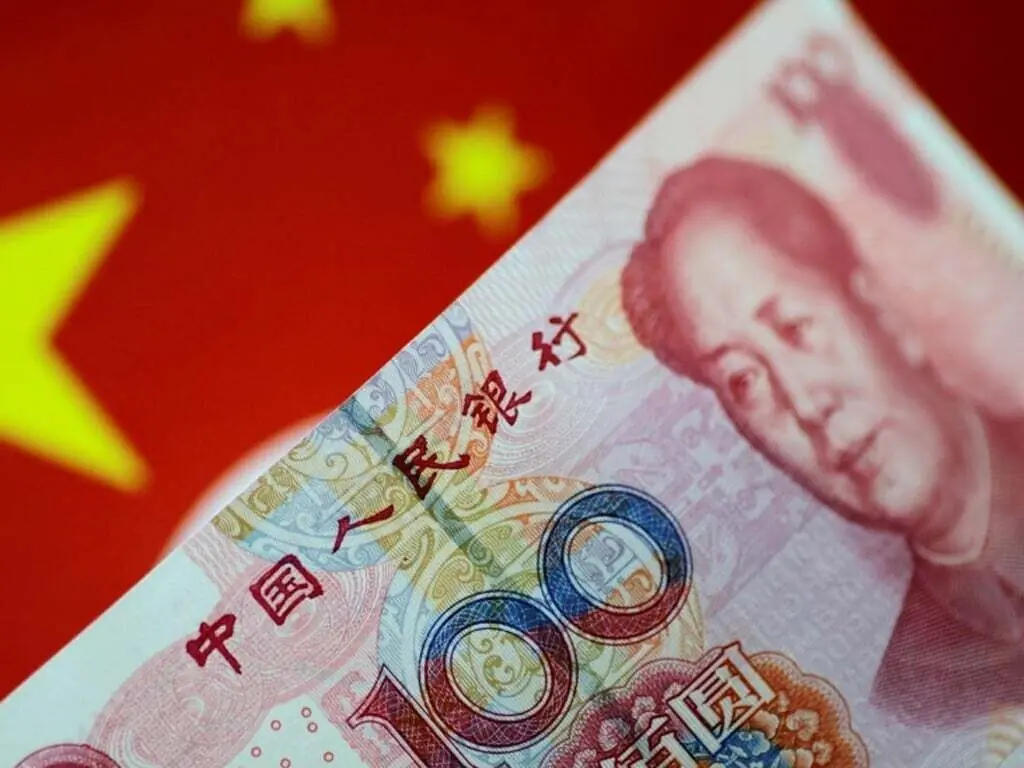
SHANGHAI: China’s yuan was steady on Monday as easing Middle East tensions reduced the dollar’s appeal, but US rate hike bets lent support to the greenback.
In the near term, analysts expect the yuan to fluctuate, citing opposing factors.
Beijing needs a firm yuan to promote its global adoption, but, at the same time, China’s yield discounts with the US are preventing the yuan from rising too much.
“The US-Iran agreement, easing oil prices, and improving risk sentiment have reduced the yuan’s passive depreciation pressure,” Huatai Futures said in a report.
But the prospects of “higher US interest rates are limiting the yuan’s room for appreciation.” On Monday, the onshore yuan changed hands at 6.7728 at 0305 GMT, little changed from the previous day’s close.
The dollar index was also steady in Asia trading, hovering above 100 after touching a one-year high the previous session.
The first round of talks between high-ranking US and Iranian officials in Switzerland ended Monday, mediators said, helping calm fears the process was breaking down.
Earlier, US President Donald Trump had threatened fresh attacks on Iran as Vice President JD Vance met Iranian officials for the first talks under an interim peace deal.
“The logic of pricing the dollar has shifted from geopolitics and energy, to higher US rates under the hawkish stance from Fed Chairman Kevin Warsh,” Huatai Futures said.
“This is why easing geopolitical tensions have not sharply weakened the dollar.”
But Orient Futures analysts cautioned that the Middle East situation “will continue to unsettle markets” as it is not clear if the Strait of Hormuz will be fully open, and the next phase of the US-Iran talks remains uncertain.
Amid geopolitical instability, China is ramping up yuan internationalisation, and a “firm and steady currency will make foreigners more willing to hold yuan assets”, SWS Research said. Last week, China announced plans to expand the offshore yuan business in Shanghai, and created a tool that would make it easier for foreign central banks to obtain yuan liquidity.

















Comments