


Govt to remove age restriction of 5 years on commercial imports of used cars
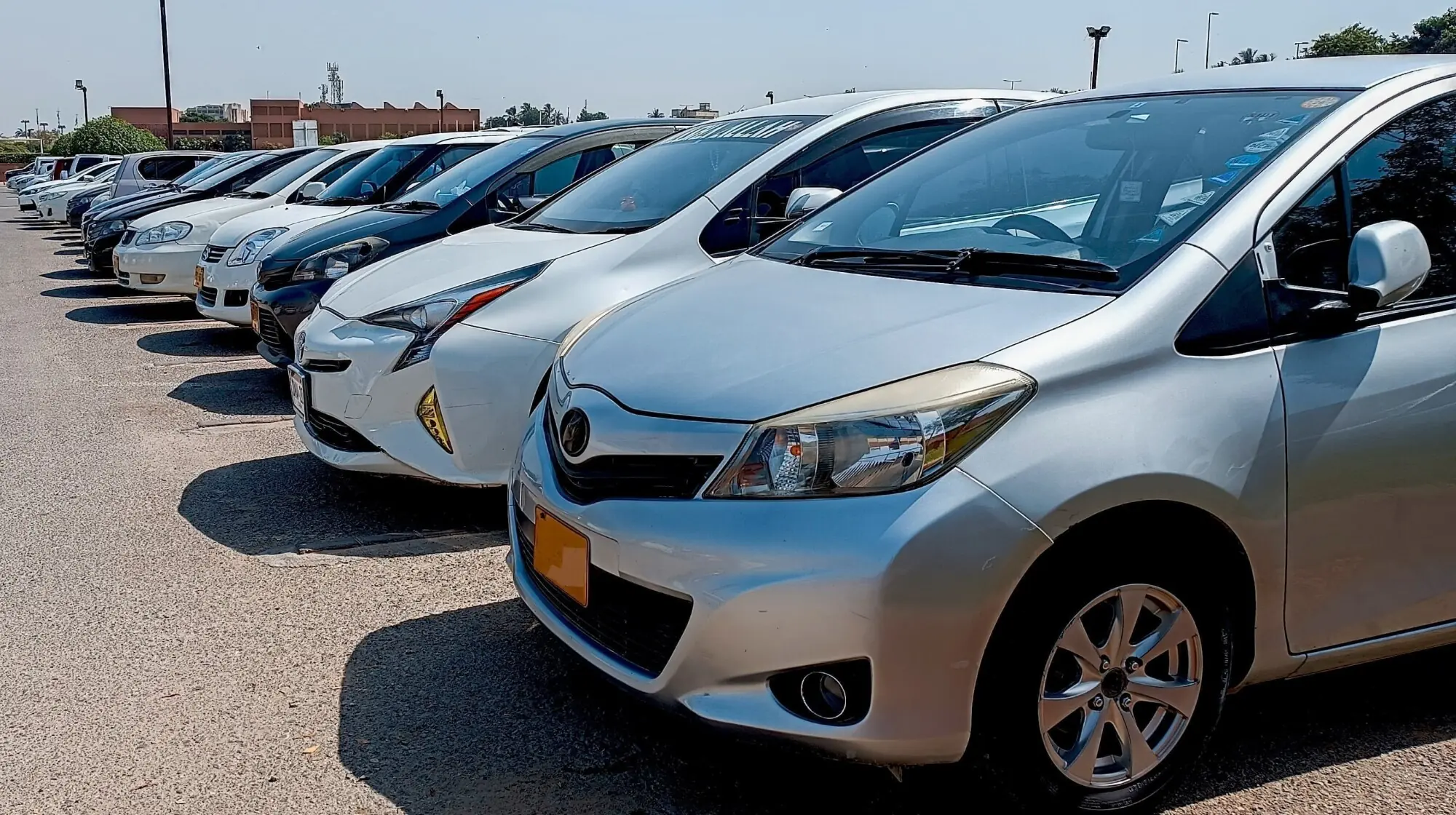

ISLAMABAD: Federal Secretary, Ministry of Commerce Jawad Paul on Saturday disclosed before National Assembly Standing Committee on Finance that the government would remove the age restriction of five years on commercial imports of used cars and reduce additional Regulatory Duty (RD) from 40 percent to 30 percent during the second year of implementation of the National Tariff Policy in 2026-27.
Briefing the committee on “Year-II budget exercise as per National Tariff Policy), Secretary Commerce said that the government would remove the five-year age restriction on the commercial import of used vehicles, subject to quality and environmental standards. The reduction of the additional Regulatory Duty will be brought down from 40 percent to 30 percent on commercial imports of used cars. This additional RD will be brought down to zero in the next three years.
READ ALSO: Used car imports cost auto-parts sector up to Rs60bn yearly
Officials said that the government would assign pre-shipment inspection to selected Japanese firms to ensure compliance on safety and environmental standards under the commercial import of used vehicles.
Commerce Secretary further said that the government will suffer revenue loss of Rs 143.4 billion on account of second phase of National Tariff Policy (2025-30) to be implemented from July 1, 2026.
Briefing the committee on “Year-II budget exercise as per National Tariff Policy), Secretary Commerce said that the revenue loss due to reduction in customs duties, regulatory duties and Additional Customs Duties (ADCs) stood at Rs 125 billion during 2025-26. The next fiscal year’s revenue impact has been estimated at Rs 143.4 billion.
He said that the major change this year is the tariff slabs are being rationalized by bringing customs duty slabs to 50 percent with the only exception of maintaining the existing rate of 90 percent duty on alcoholic beverages. The auto tariff would be incorporated based on approved to auto policy (2026-2030).
The proposed reforms include rationalization of Customs Duty, Additional Customs Duty, Regulatory Duty, and exemptions under the Fifth Schedule, with reductions proposed on thousands of tariff lines and the removal of redundant exemption entries. The Committee was informed that the reforms are expected to reduce the overall average tariff while carrying an estimated revenue impact of approximately Rs.143.4 billion.
During the deliberations, the Chairman observed that tariff liberalization should be implemented in a balanced and phased manner to safeguard domestic industry while improving competitiveness and promoting exports. He emphasized that lower tariffs must ultimately translate into reduced production costs, affordable consumer prices, and increased value addition rather than merely benefiting importers. Stressing the importance of transparency and evidence-based policymaking, the Chairman directed that all future fiscal proposals should be accompanied by comprehensive revenue impact assessments, noting that taxation must serve a clear economic purpose and should not become merely an extractive exercise.
The Committee recommended phased implementation of the tariff reforms, periodic impact assessments, regular progress reports by the NTC, and adequate safeguards for strategic industries to ensure that the reforms promote sustainable industrial growth while protecting national economic interests.
The Committee further scrutinized the proposed amendments to the Petroleum Products (Petroleum Levy) Ordinance, 1961, with particular focus on strengthening enforcement against defaulting Oil Marketing Companies (OMCs).
The Chairman observed that OMCs merely act as collection agents for government levies and therefore cannot be permitted to retain public funds. Expressing serious concern over delays in the recovery of petroleum levies, he directed the Government to introduce a strict inbuilt enforcement mechanism providing for suspension of product supplies to any defaulting OMC after thirty days of non-payment, while eliminating discretionary extensions or instalment facilities that weaken compliance.
The committee also recommended linking petroleum levy compliance with regulatory enforcement to safeguard public revenue. The Chair directed the Petroleum Division to redraft the proposed legislative amendments to explicitly eliminate instalment powers for defaulting OMCs and institute immediate supply suspensions.
Copyright Business Recorder, 2026



















Comments