


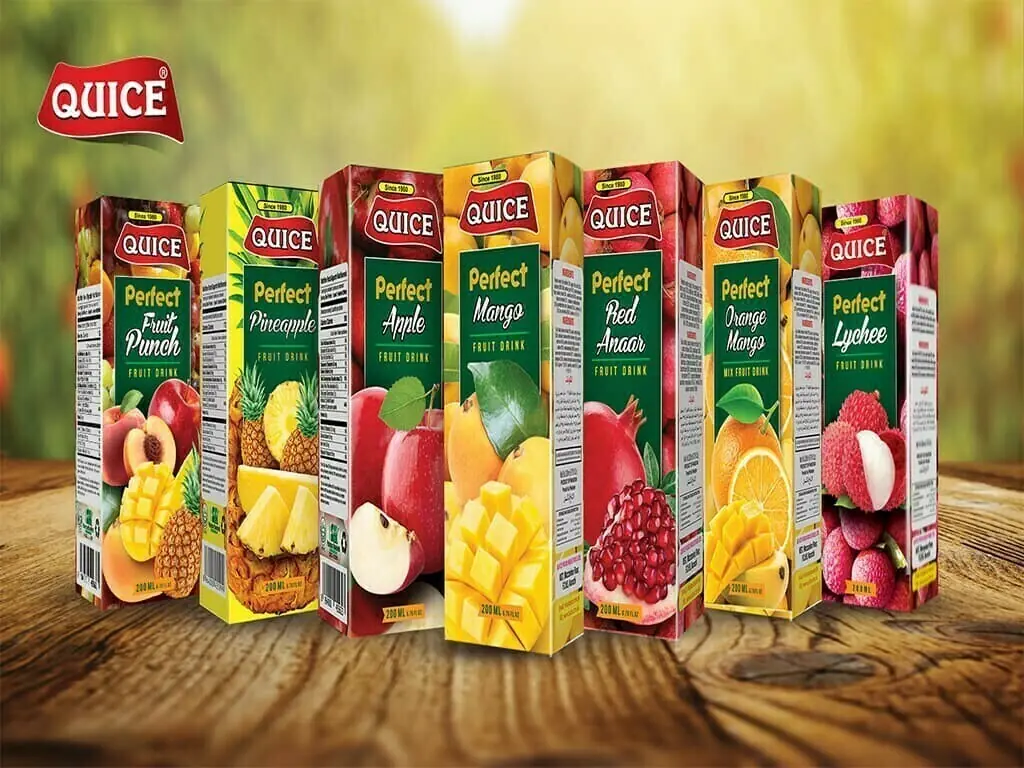

ISLAMABAD: The reduction of Federal Excise Duty (FED) on fruit juices from 20 percent to 10 percent, through an amendment in Finance Bill 2026, would revive demand for natural fruit pulp, supporting local farmers and reversing the decline in fruit utilisation.
During an interaction with the legislators at the Parliament House, the formal packaged fruit juice industry informed that it has been significantly impacted by the imposition of a 20 percent Federal Excise Duty (FED) in Budget 2023–24, in addition to the existing 18 percent sales tax, resulting in a total tax burden of nearly 42 percent.
The market has reportedly declined from around Rs60 billion to nearly Rs40 billion, weakening the documented fruit ecosystem.
The Fruit Juice Council (FJC) informed Finance Committees of Senate and National Assembly that Pakistan’s current tax structure on fruit-based juices, nectars, and drinks is unintentionally harming farmers, weakening the documented industry, reducing demand for locally grown fruit, and pushing consumers toward cheaper, undocumented, and potentially unsafe alternatives. The Council is calling for a balanced fiscal framework that distinguishes regulated fruit-based beverages from other beverage categories and encourages healthier, safer, and more agriculture linked consumption choices.
To address parliamentary concerns and support a healthier, more sustainable market, FJC proposed reduction of Federal Excise Duty (FED) on fruit juices from 20 percent to 10 percent and full exemption of FED on juices with no added sucrose/white sugar.
The government should reduce the market share of undocumented, substandard products, distinguish between fruit based juices and carbonated drinks and local competitiveness to promote fruit juices exports.
The formal fruit juice industry is facing a sharp contraction after the imposition of high taxes. As formal products become more expensive, consumers are increasingly turning to cheaper, undocumented alternatives. This weakens the tax-paying sector, reduces demand for fruit procured from local farmers, and increases the risk of unsafe or low-quality beverages entering households.
The industry recommended that the regulated fruit-based beverages offer safer, traceable, and quality-compliant choices compared with undocumented alternatives.
Copyright Business Recorder, 2026




















Comments