


Asian stocks slide, oil gains as Middle East tensions escalate
- MSCI’s broadest index of Asia-Pacific shares outside Japan dropped 0.6%
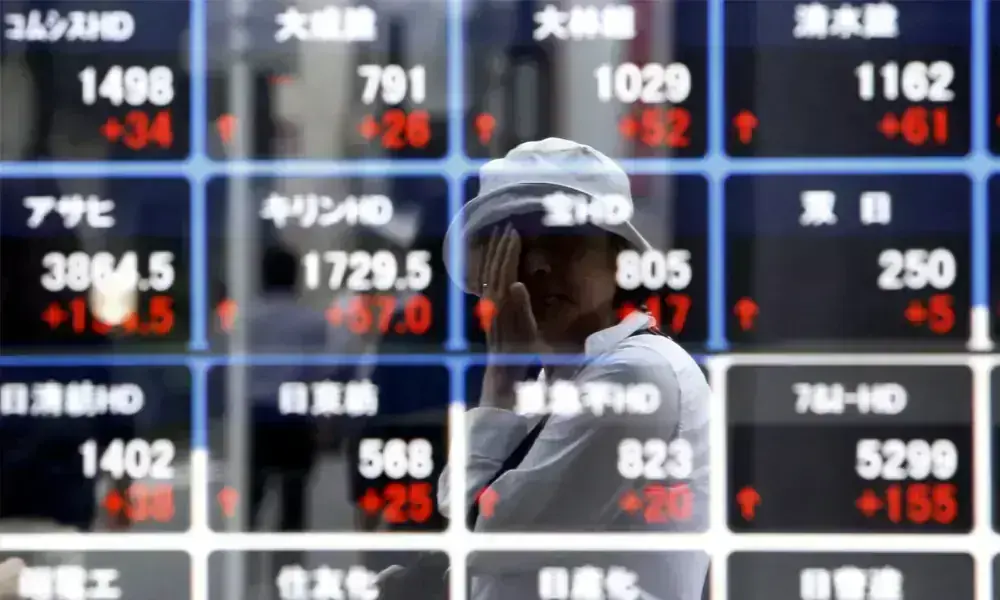

SINGAPORE: Asian stocks fell on Wednesday while oil prices surged as escalating tensions in the Middle East unsettled markets, dimming hopes for an end to the months-long war that has pushed commodities higher and stoked inflation worries.
The United States launched strikes against Iran after President Donald Trump said Tehran had shot down a U.S. Apache helicopter in the Strait of Hormuz, leaving investors on edge over a fragile ceasefire between all sides.
MSCI’s broadest index of Asia-Pacific shares outside Japan dropped 0.6%. Japan’s Nikkei fell 0.9% while the tech-heavy South Korean KOSPI slumped 2% in a volatile week where AI stocks have come under pressure.
Oil prices climbed about 1% in early trade, moving away from a seven-week low touched in the previous session in the wake of the fresh U.S. attacks. Brent futures rose 0.9% to $92.29 a barrel, while U.S. West Texas Intermediate WTI crude climbed 0.8% to $88.97.
“Geopolitics is being treated as a headline risk, not a macro shock for now,” said Charu Chanana, chief investment strategist at Saxo in Singapore.
“Oil holding around $90 despite fresh Iran headlines suggests markets are not pricing a sustained supply disruption. That leaves room for a bigger repricing if energy infrastructure, shipping routes or U.S. involvement escalate.”
U.S. stocks overnight slid as a tech rebound fizzled, with AI valuation worries, Middle East tensions and rising rate bets driving investors from risk.
Inflation test awaits
Investor focus will be on the U.S. inflation data later on Wednesday to gauge the impact of the war, with a Reuters survey of economists predicting that inflation likely increased 4.2% in the 12 months through May in what would be the largest annual rise in the CPI since April 2023.
A stronger-than-expected jobs report on Friday increased bets that the Federal Reserve will hike interest rates this year. Traders have now fully priced in a 25-basis-point hike in December versus expectations of two rate cuts before the war.
“If CPI today is hot, it will be much harder for the Fed to sound relaxed next week,” said Saxo’s Chanana. “The Fed probably cannot hike aggressively into a pure supply shock, but it also cannot ignore inflation expectations if oil keeps rising.”
The euro was at $1.1537 while sterling fetched $1.337 as the U.S. dollar held firm. The yen changed hands at 160.38 per dollar, near the 160 level widely seen as a line in the sand for potential official intervention.
Japan’s wholesale inflation accelerated in May at the fastest pace in three years as price pressures from the war broadened, data showed on Wednesday, adding to the case for further interest rate hikes by the Bank of Japan.
A rate hike from the BOJ at the June 16 policy meeting is now almost fully priced in, with analysts saying persistent weakness in the yen and a hawkish shift from the Fed could compel the BOJ to accelerate its own rate hikes.
“The market can usually absorb geopolitical noise rather well when energy prices stay contained,” said Anthony Saglimbene, chief market strategist at Ameriprise.
“It has less room for comfort when oil prices, inflation data, and Fed policy all lean in a direction that becomes less supportive of stocks over the near term. This is the risk we see building in the market right now.”
That risk is being felt in emerging markets where Bank Indonesia on Wednesday increased interest rates in a surprise off-cycle meeting to prop up the fragile rupiah just weeks after BI surprised markets with a jumbo hike.



























Comments