


Auto & Auto Parts Policy 2026-31: PAAPAM wants urgent discussions
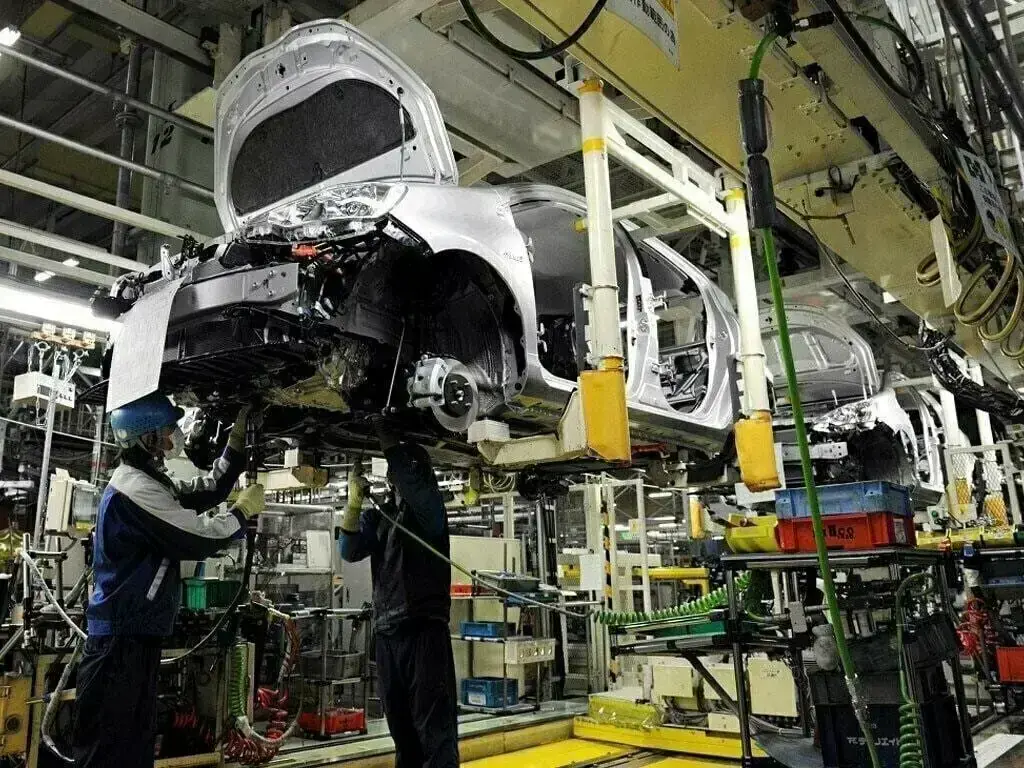

ISLAMABAD: The Pakistan Association of Automotive Parts and Accessories Manufacturers (PAAPAM) has issued an urgent appeal to Prime Minister Mian Muhammad Shehbaz Sharif and Deputy Prime Minister Senator Mohammad Ishaq Dar, seeking an immediate hearing before the finalisation of the Auto & Auto Parts Policy 2026–31.
In a letter to the Deputy Prime Minister, PAAPAM stated that the auto-parts sector supports over 1.8 million livelihoods, contributes nearly 3 percent to the national GDP, and plays a key role in Large-Scale Manufacturing (LSM).
READ ALSO: Auto policy: Striking the right balance
Despite operating at an estimated 34 percent cost disadvantage compared to regional competitors—due to high energy tariffs, financing costs, logistics inefficiencies, taxes, and duties—the sector has achieved annual exports of around USD 200 million. The association noted that this performance comes despite the absence of enabling measures such as Free Trade Agreements (FTAs) with key markets, limited export incentives, and persistent negative security perceptions.
PAAPAM Chairman Usman Aslam Malik warned that the application of National Tariff Policy (NTP) provisions to the upcoming auto policy could have severe consequences for the domestic industry. These include reversal of localisation gains built over decades, immediate risks to employment, weakening of small and medium enterprises (SMEs), and erosion of Pakistan’s engineering and manufacturing base.
He further cautioned that tariff reductions, if implemented without parallel structural reforms, would undermine the competitiveness of local manufacturers and lead to a surge in imports, putting additional pressure on the country’s already fragile foreign exchange reserves—contrary to the stated objectives of the NTP.
Senior Vice Chairman Shehyar Qadir emphasised that the industry does not endorse the proposed tariff measures and warned that responsibility for their consequences would rest solely with policymakers if implemented in their current form. The association underscored that without strong localisation policies, Pakistan’s auto sector risks collapse, with potential factory closures, job losses, and increased dependence on imported products.
PAAPAM has therefore urged the Prime Minister and Deputy Prime Minister to grant an urgent meeting with industry stakeholders before finalising the policy. The association expressed readiness to present data-driven recommendations aimed at strengthening exports, protecting livelihoods, and ensuring long-term industrial sustainability. “The choice is clear: localisation or collapse. Pakistan cannot afford inaction at this critical juncture,” the association concluded.
Copyright Business Recorder, 2026




















Comments