


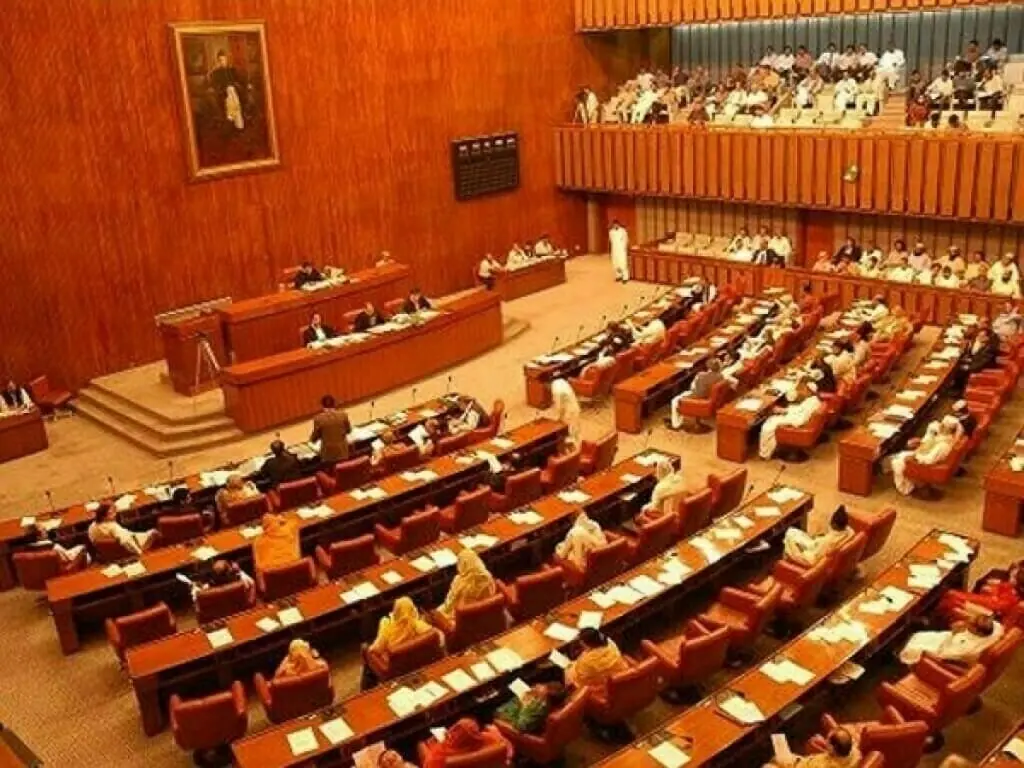

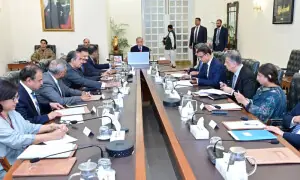
ISLAMABAD: The Senate of Pakistan has announced to have surrendered the savings of Rs1.44 billion to the national kitty through a “comprehensive austerity and expenditure rationalisation programme.”
The savings exceed the target set by the Finance Division by 500 percent and constitute 15.9 percent of the Senate’s total budget for the outgoing fiscal year 2025-26, the Senate Secretariat said in a statement on Monday.
READ ALSO: Austerity in times of crisis
“Despite the availability of Rs60 million under the budgetary allocation for the purchase of official vehicles during the current financial year, not a single vehicle was procured, reflecting the Senate leadership’s commitment to prioritising national interest over institutional convenience,” according to the statement.
This March, reports surfaced suggesting that the Senate Secretariat purchased a luxury Toyota Land Cruiser vehicle worth Rs90 million for Chairman Senate Yousaf Raza Gilani, a move that earned enormous public backlash, prompting the Secretariat to issue a clarification.
In the said clarification, the Senate Secretariat impliedly confirmed the purchase of the luxury vehicle on the said price but insisted that the said vehicle was purchased in the last financial year 2024-25 from the Senate’s “budget savings,” and that the vehicle was only delivered in the month of March.
In Monday’s statement, the Senate Secretariat said that the Senate Finance Committee, on the proposal of the chairman Senate, unanimously decided to forgo the proposed allocation for replacement of condemned official vehicles in the forthcoming financial year that is expected to generate additional savings of approximately Rs140 million.
The Senate Secretariat said that among the “most significant” of its austerity measures was the suspension of 17 out of 18 procurement projects approved by the Senate Finance Committee, “resulting in substantial and immediate savings.”
Recruitment and other non-essential expenditures were rationalised, administrative overheads reduced, and operational costs brought under strict scrutiny, the statement added.
The official transport fleet was substantially grounded, fuel allocations were strictly capped, and usage was subjected to enhanced oversight, the statement said.
The provision of refreshments at official meetings and functions was discontinued, while committee proceedings were increasingly shifted to digital and virtual platforms to reduce logistical and hospitality costs.
Likewise, all non-essential foreign visits were suspended in line with the broader objective of expenditure restraint, added the statement.
Copyright Business Recorder, 2026

















Comments