


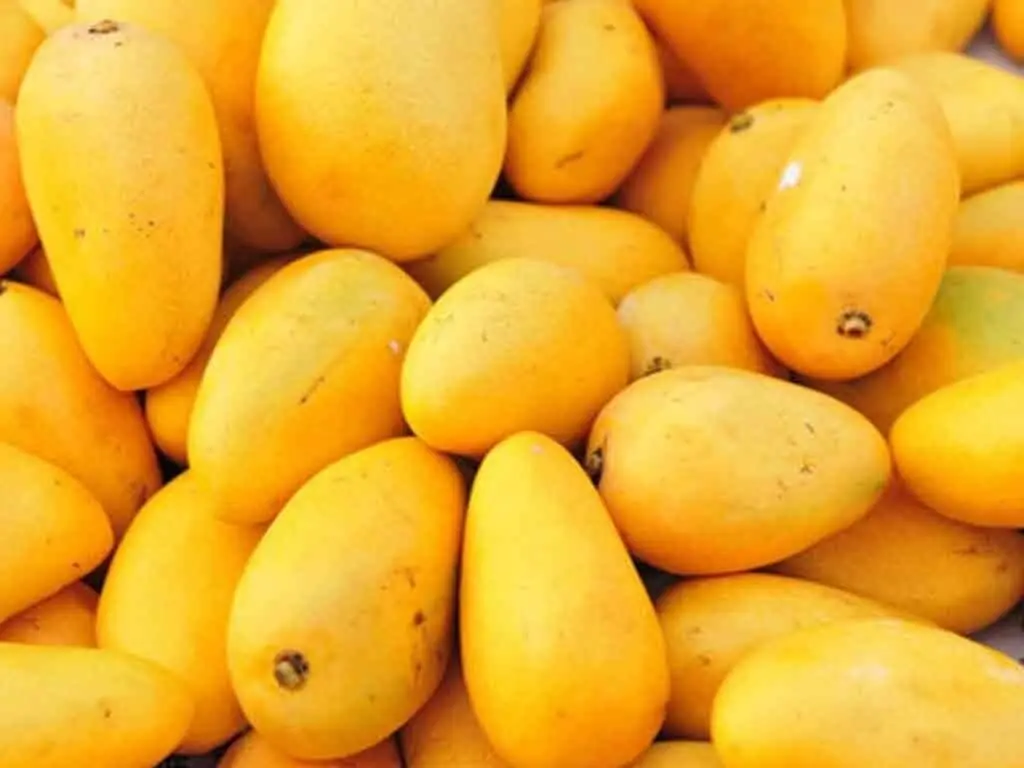

The long wait is over and the fruit which is considered the king of all fruits has finally arrived. Yes, the mangoes are here. It is a fact that their arrival is intensely awaited every year by the young and old not only in Pakistan but around the world. Globally, there are different varieties that rule the taste of their patrons and one is starkly different from the other.
Little is known about the varieties of mangoes worldwide and you will be surprised to know that there are over 2,000 varieties of mangoes that are cultivated globally like Alphonso of India, Tommy Atkins in the USA; Brazil and Mexico considered to be the most common commercial variety globally; and our own Chaunsa and Sindhri.
The list does not stop here; there is also Ataulfo, also known as honey mango from Mexico, and then there is Kent grown in the USA, Peru and Ecuador. These are grown in another part of the world while there is still South East Asia and Australia, which is covered with a golden yellow mango called Nam Dok Mai and then there is Carabao in the Philippines.
The list does not stop here as there is still Kensington pride covering Australia. There is also the most expensive and rare mango in the world, Miyazaki from Japan, also known as “Egg of the sun”. The peak mango season is May through August but because there are so many varieties available in different parts of the world some variety or other of mangoes is available throughout the year.
In Pakistan, the most favoured time when maximum its usage is observed is when the mango season and the holy month of Ramazan fall together, giving the fasting public a chance to taste their favourite fruit during the opening of their fast.
Otherwise, too, when the mangoes are in season they are not only eaten as a fruit but across the globe also form part of daily meals in different ways just as they are popular in sweet and savoury dishes like mango sticky rice in Thailand and mango lassi in Pakistan and Mangonada in Mexico.
In Pakistan, during the mango season, a very popular dish with the Bohra community is ‘Aamrass’, which is part of specially the evening meal in most households. This includes the juice of mangoes, which form the core of this much favoured dish.
The mango is a fruit with a history and references in folklore like the presentation of a mango grove to Buddha himself that he might find rest and shelter in its shade.
So how did this fruit get its name ‘mango’, especially in English- and Spanish-speaking countries? It is presumed that it got this name from Malayam Manna, which the Portuguese adopted as manga when they came to Kerala around 1498 for the business of spices. It is presumed that they were introduced late in the western hemisphere because of difficulty in transporting their seeds, which resulted in their introduction as late as the 1700 when the first seeds were planted in Brazil and they reached West Indies around 1740.
Most of this information is available in Encyclopaedia Britannica and has been recently updated, which also demonstrates the importance of mangoes on a worldwide scale.
The mango is a fruit with a long and documented history that has been carefully preserved just as its taste has been carefully cultivated over the years and through centuries of careful nourishing by dedicated souls who have groomed this fruit, made improvements and whose hard work and dedication have resulted in what is now sold in our streets on pushcarts and in high-end fruit shops for all of us to enjoy.
Why so much focus on this fruit when the market is full of other fruits as well? Ask yourself. Will you replace the mango with any other fruit given the choice?
Copyright Business Recorder, 2026
The writer is a well-known columnist




















Comments