


India tightens checks on overseas flows as currency pressure mounts, sources say
- India’s capital account is only partially open. Companies can invest abroad through the overseas direct investment route
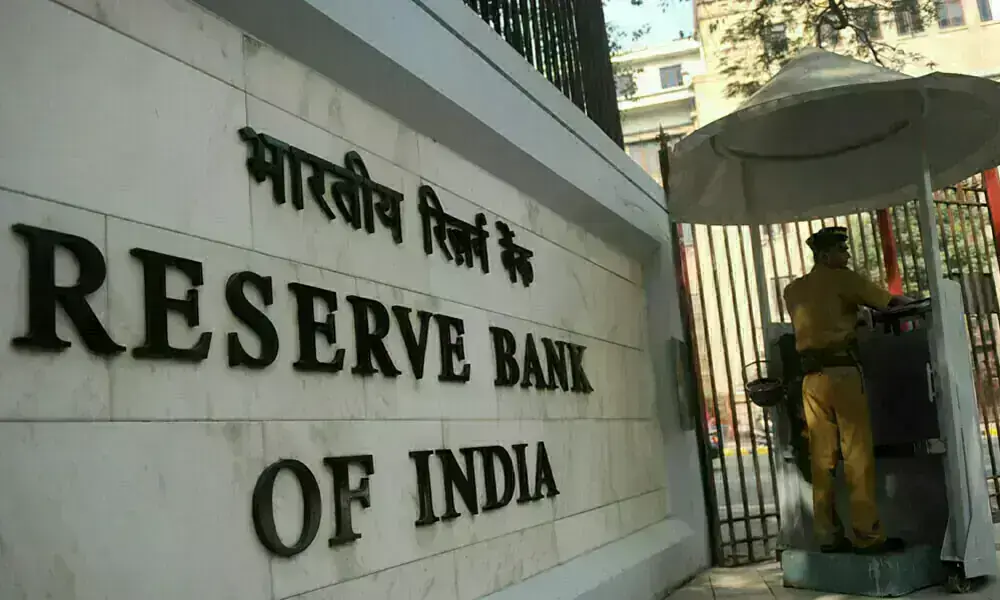

MUMBAI: India’s central bank and markets regulator have tightened checks on overseas investments by firms and family offices, issuing at least 10 queries in the past three weeks to determine any potential misuse of the investment route, three sources with direct knowledge of the matter said to Reuters.
The South Asian nation’s currency has come under sharp pressure from surging oil prices and foreign money outflows, prompting higher taxes on precious metal imports and calls to conserve foreign exchange.
In a rare move over the past three weeks, the Reserve Bank of India (RBI) has sent at least 10 queries to ascertain whether funds were routed overseas without a clear business purpose or tangible asset backing, one of the three sources said.
“The scrutiny is not about curbs but about the pace of capital outflows and why and whether they are exacerbating pressure on the currency and reserves,” another source said.
Indian rupee dented by oil price jump, equity weakness; likely RBI intervention caps losses
India’s capital account is only partially open. Companies can invest abroad through the overseas direct investment (ODI) route, subject to limits tied to net worth and for specific purposes. Individuals may remit up to $250,000 annually under the Liberalised Remittance Scheme (LRS) for uses such as education, healthcare and investments.
Regulators are focusing on large overseas investments routed through opaque structures, inflated valuations of offshore assets, and potential misuse of ODI routes for private wealth management by individuals and family offices, the sources said.
Reuters could not determine the recipients of the letters.
The sources declined to be identified as they are not authorised to speak to the media. Email queries sent to RBI and Securities and Exchange Board of India (SEBI) on Tuesday went unanswered.
Details of queries
According to RBI data, overseas direct investment rose 11% year-on-year to $48.39 billion in financial year 2025–26, while individuals remitted $28.9 billion abroad.
Under current rules, regulated entities must secure sectoral no-objections and file valuation reports with the RBI for ODI remittances. Larger or complex deals may also need prior RBI approval.
The SEBI has also recently slowed no-objection letters for its regulated firms seeking to establish overseas structures, a third source said.
RBI policy decision, growth data in focus for Indian rupee and bonds
Focus on family offices
In particular, regulators are taking a closer look at offshore remittances by family offices, many of which are structured as corporate entities, two sources said. This allows them to access higher remittance limits under ODI, compared with the individual remittance caps.
The RBI is examining at least two instances of family offices using the ODI route for managing personal wealth, the second source said.
The RBI could also scrutinise instances where corporates have established overseas investment arms, as such structures are often used for capital market exposure rather than genuine strategic expansion abroad, two sources said.
Separately, SEBI, while approving proposals from its regulated entities - including funds and wealth management firms - to set up overseas structures, is flagging cases where its assessments indicate aggressive valuations in capital market and private asset investments, one of the three sources said.
Valuations are typically conducted by SEBI-registered merchant bankers. Regulators are also scrutinizing whether bankers are assigning inflated valuations.
“The current approach appears to be one of enhanced oversight and calibration of remittances, rather than any rollback of legitimate cross-border expansion by Indian companies and entrepreneurs,” said Moin Ladha, Partner, Khaitan & Co, a law firm in India.
“We are seeing greater focus on ensuring that commercial rationale, deployment of funds and business plans remain robust throughout the life cycle of an overseas investment.”

























Comments