


Understanding modern drivers of hypertension in urban Pakistan
Hypertension is rapidly increasing among young adults in urban Pakistan, driven by modern lifestyles including chronic stress, sedentary habits, poor diet, and inadequate sleep, leading to early cardiac issues.
- The alarming rise of hypertension in young Pakistani adults.
- Lifestyle factors driving early onset hypertension in urban areas.
- Cardiac consequences and the silent nature of the disease.
- Effective lifestyle changes and medical treatments for hypertension.

Every May 17th, the world observes ‘World Hypertension Day’. Yet in the urban centers of Pakistan like Karachi, Lahore, Islamabad, and Rawalpindi, we need a dedicated calendar date to feel the weight of this crisis. Hypertension is no longer a condition that creeps up on people in their fifties. It is arriving earlier, faster, and more silently than we have ever seen before. The drivers, this time around, are the very rhythms of modern life.
The numbers demand our attention. According to the World Health Organisation’s (WHO) 2023 Hypertension Profile for Pakistan, an estimated 32.2 million adults aged 30 to 79 in this country are living with hypertension.
More alarming is a 2025 community-based cross-sectional study conducted at HBS Medical and Dental College, Islamabad, which found that a significant proportion of young adults between 18 and 35 years of age were carrying undiagnosed hypertension; quietly, unknowingly, and dangerously.
These are not middle aged or senior citizens. These are final-year students, junior executives, new parents, and ride-share drivers navigating traffic at midnight in our cities.
The cardiac consequences of this trend are already appearing in Pakistani hospital wards. A cross-sectional study found that among 150 patients under the age of 40 who presented with acute coronary syndrome, the mean age at the time of heart attack was just 34 years. Hypertension was identified as a significant risk factor in over one in five of these young patients. They were people in the prime of their working lives, many of whom likely had no idea their blood pressure was silently preparing the ground for a major heart attack. So, what has changed? Why are we seeing this shift in the age of onset? The answer lies not in genetics alone but in the architecture of urban Pakistani life today.
Let us begin with stress, because in 2026, chronic psychological stress is no longer a soft, abstract complaint. It is a physiological event. When the body perceives threat; whether from a work deadline, a financial worry, or the relentless stimulation of a social media feed; it activates the hypothalamic-pituitary-adrenal (HPA) axis, flooding the bloodstream with cortisol and adrenaline. This drives up heart rate and constricts blood vessels. Do it repeatedly, every day, over months and years, and what you have is a vascular system under siege.
Pakistan has undergone a quiet but profound dietary transition, and we are only now beginning to measure its cardiovascular cost.
A 2025 Frontiers in Cardiovascular Medicine study drawing on the Global Burden of Disease 2021 database found that changes in modern lifestyles, particularly high mental stress, sedentary behavior, and high-sugar and high-fat diets, are directly accelerating hypertension burden in the 15 to 39 age group. For the young professional in Islamabad managing client calls across time zones, or the medical student pulling consecutive nights before examinations, this is not a hypothetical risk. It is their daily operating condition.
Layered onto stress is the near-total collapse of physical activity in urban life. We have engineered movement out of our existence. Offices, universities, and homes are increasingly sedentary environments. Deliveries arrive at the door. Meetings happen on screens. A 2024 systematic review in PubMed confirmed that sedentary behavior is one of the most statistically significant lifestyle risk factors for hypertension among young adults, particularly when combined with obesity and poor diet.
Karachi’s 2024 school-based study from Aga Khan University found that 13% of urban children already showed obesity and 21% had central obesity. These are the hypertensives-in-waiting of the next decade.
Then, there is what we are eating. Or more precisely, what we are not eating. A landmark 2024 prospective cohort study published in the journal Nutrition found that participants under 47 years of age who consumed the highest quantities of ultra-processed foods had nearly double the risk of developing hypertension compared to those who consumed the least. Biryani from a foil-wrapped bag, instant noodles, fizzy drinks, packaged snacks purchased from a roadside stall; these products are typically saturated with sodium, industrial fats, and food additives that interfere with endothelial function, promote sodium retention, and drive vascular inflammation.
Pakistan has undergone a quiet but profound dietary transition, and we are only now beginning to measure its cardiovascular cost.
Sleep is the final, and perhaps most underestimated, variable. Numerous studies have confirmed a clear association between short sleep duration and elevated hypertension risk in young and middle-aged individuals. Asia, including Pakistan, has among the highest rates of late-night sleep patterns globally, driven by screen time, social obligations, and anxiety.
A 2025 cross-sectional study including Pakistani participants found that shorter sleep was significantly associated with both higher perceived stress and cardiovascular risk. Sleep deprivation elevates sympathetic nervous system activity, suppresses nocturnal blood pressure dipping, and promotes arterial stiffness; all of which the sleeping body normally repairs between midnight and dawn. When that window is stolen by Instagram reels or exam anxiety, the repair does not happen.
The cumulative portrait is sobering. A 26-year-old in an urban Pakistani city who eats processed food regularly, sits for most of the day, sleeps fewer than six hours, and lives under financial or academic stress is not simply making lifestyle choices. They are building hypertension, brick by brick, without a single symptom to warn them.
What can be done? The first and most powerful intervention remains lifestyle. Thirty to forty-five minutes of moderate aerobic activity most days of the week has been shown to reduce systolic blood pressure by four to nine millimeters, an effect comparable to some medications.
A diet reduced in sodium and processed foods, and rich in potassium from fruits and vegetables, supports healthy vascular tone. Seven to eight hours of quality sleep, along with structured stress management practices such as mindfulness, prayer, or physical exercise, can meaningfully reset the body’s threat response over time.
However, we must be honest. For a significant number of patients, lifestyle change alone will not be sufficient. When blood pressure remains consistently elevated despite non-pharmacological efforts, medical therapy is indicated and should not be delayed. The global standard of care relies on several well-established generic drug classes.
These include angiotensin-converting enzyme inhibitors and angiotensin receptor blockers, which protect the heart and kidneys while reducing vascular resistance; calcium channel blockers, which relax and widen blood vessels; thiazide diuretics, which reduce fluid volume; and beta-blockers, which lower heart rate and cardiac output.
These pharmaceutical options are available in Pakistan, affordable, and when prescribed appropriately and taken consistently, highly effective. The tragedy is not that treatment is unavailable, but the lack of awareness and understanding regarding this silent killer.
This World Hypertension Day, I urge one simple act: measure your blood pressure right now, and for best results maintain a chart. If consistently high, seek medical advice and get on to a supportive diet and if needed a good medical regime. The regular check can change the trajectory of the next decades of your life. The silent killer earns its name because it asks nothing of you before it takes everything. Do not let urban Pakistan’s relentless pace be the reason you never heard it coming.
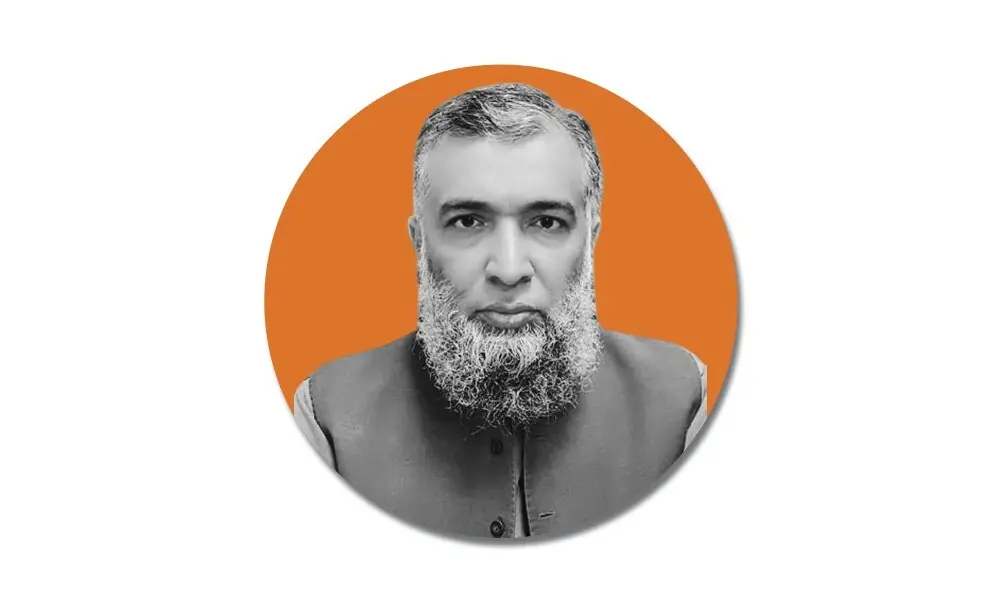
The author is the Head of Cardiology Department in CPEIC Multan.




























Comments