


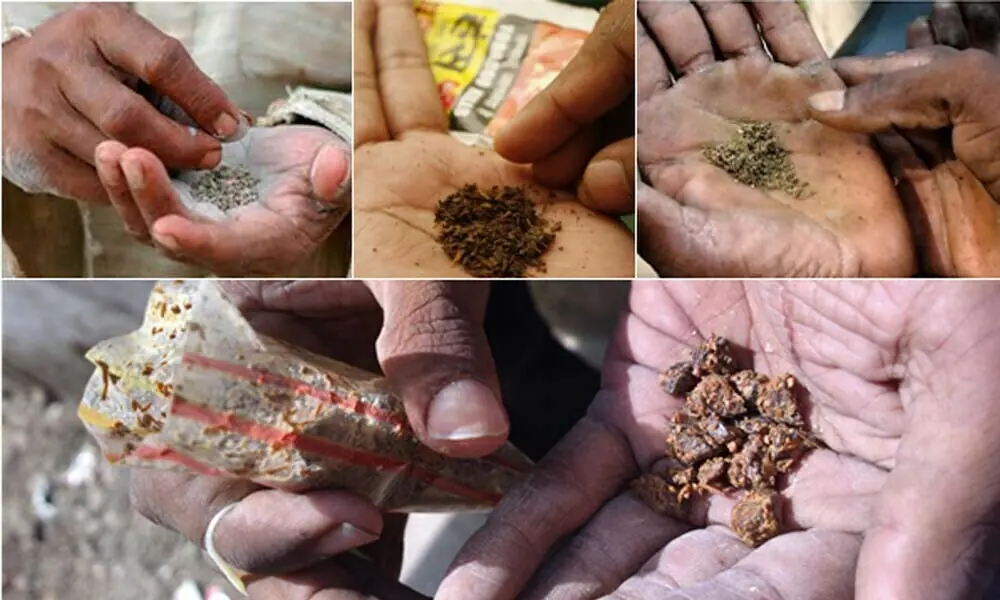

In a large and densely populated city like Karachi, drug abuse is rapidly emerging as a serious social crisis. This issue is particularly widespread in low-income communities, where limited access to education, employment, and recreational opportunities leaves many vulnerable. What began as a gradual problem decades ago has now turned into an alarming reality that affects entire neighbourhoods.
Looking back to the 1990s, substances such as opium quietly made their way into society. Over time, drug use expanded, evolving into a more visible and normalized practice. Today, in 2026, substances like mawa, gutka, and charas are easily accessible and commonly used. In some areas, the normalization has gone so far that individuals openly take pride in using them—further deepening the crisis.
The condition in many neighbourhoods clearly reflects the severity of the issue. In almost every street, young people can be seen consuming one form of drug or another.
Alarmingly, even small children are involved, frequently consuming mawa and gutka, while older teenagers often transition to more dangerous substances like charas.
The problem does not remain limited to individual use; it spreads socially, as young people encourage their peers to experiment, creating a chain reaction that is difficult to break.
(To be continued tomorrow)
Abdul Basit, A student (BBA) of Sindh Madressatul Islam University, Karachi
Copyright Business Recorder, 2026




















Comments