


No full Hormuz flows until first half of 2027, UAE's oil giant says
- “Iran establishes de facto control over the waterway, a chokepoint for about a fifth of the world’s oil supply
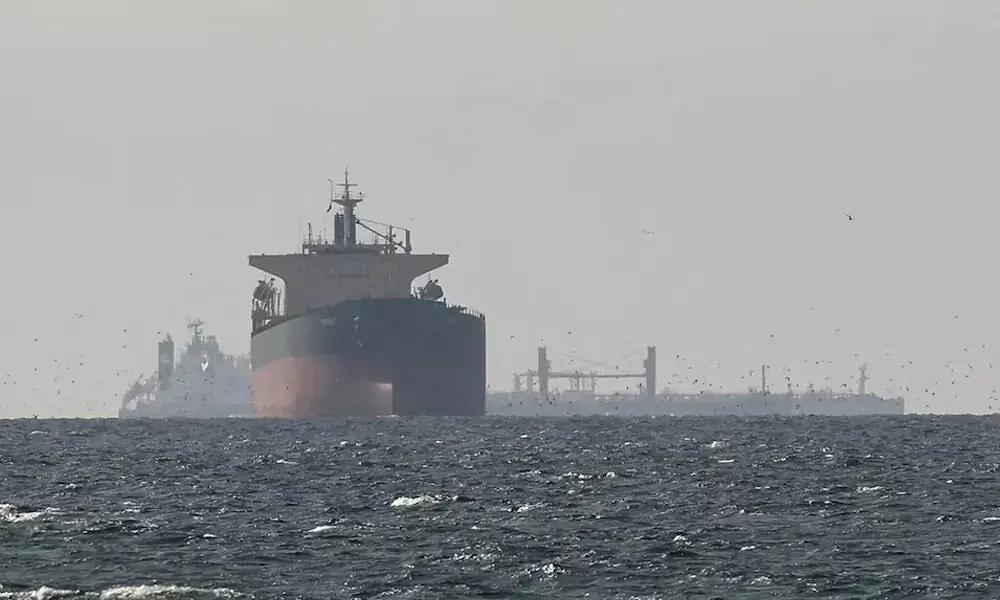
DUBAI: Full oil flows through the Strait of Hormuz will not return before the first or second quarter of 2027, even if the Middle East conflict ended now, the head of the United Arab Emirates’ state oil firm ADNOC said.
The outlook is among the most pessimistic by top industry executives and underscores the prolonged economic impact of the Iran war which has triggered what the International Energy Agency has called the largest ever energy crisis because of the near-closure of the strait.
Iran has established de facto control over the waterway, a chokepoint for about a fifth of the world’s oil supply. The resulting surge in energy prices has pushed inflation higher and fanned fears of an economic downturn.
“Even if this conflict ends tomorrow, it will take at least four months to get back to 80% of pre-conflict flows, and full flows will not return before the first or even second quarter of 2027,” ADNOC CEO Sultan Al Jaber said during a Atlantic Council event on Wednesday.
Hungry to sell, UAE slips hidden oil tankers through Strait of Hormuz
Jaber calls Hormuz blockade a ‘dangerous precedent’
The chief executive of neighbouring Saudi Arabia’s oil giant Aramco, Amin Nasser, had warned the oil market may not recover until 2027 if the situation persists through mid-June.
Iran is consolidating its control over the strait with checkpoints, vetting and sometimes fees, Reuters reported.
Tehran began attacking vessels in the strait to impose a de facto blockade after the U.S.-Israeli assault against Iran began on February 28.
Since then, Iran has expanded its definition of the waterway to include the UAE’s Gulf of Oman coastline just outside the strait, which has emerged as a lifeline for the UAE. A crude pipeline that ends at the port of Fujairah, on that coastline, has kept some Emirati crude flowing to markets.
Iran allowing more ships through Strait of Hormuz: state TV
“This is not just an economic problem. In fact, this sets a dangerous precedent. Once you accept that a single country can hold the world’s most important waterway hostage, freedom of navigation as we know it is just finished,” Jaber said.
“If we don’t defend this principle today, we will spend the next decade defending against the consequences.”
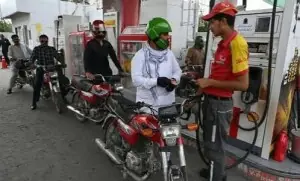
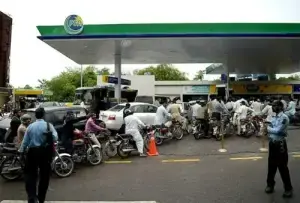
Jaber said the conflict highlighted supply chain fragility, noting fuel prices are up 30%, fertiliser prices have risen 50% and airfares are a quarter higher. He called for renewed investment to enhance global energy resilience.
“Every farm, every factory, every family is paying the price, and the ones who are most vulnerable end up carrying the heaviest load,” he said.
“Just over 80 days into this conflict, and almost 80 countries have now taken emergency measures to support their own economies.”















Comments