


Pakistan’s greatest risk in ME crisis is social, not merely economic
Pakistan faces a severe economic crisis, with rising costs and shrinking incomes pushing millions into hardship. Inflation is eroding livelihoods, dignity, and hope, transforming an economic squeeze into a profound social and political fault line.
- Daily impact of inflation on Pakistani households.
- Rising energy prices amplifying the economic crisis.
- Social and political consequences of economic hardship.
- Need for extreme austerity and energy rationing.
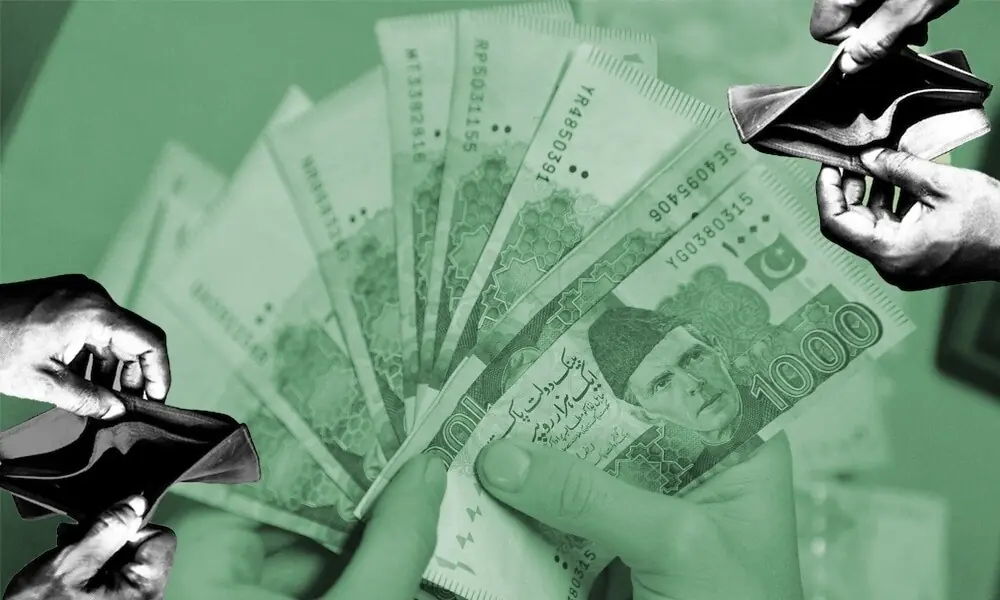

Pakistan is no longer watching the Middle East crisis from a safe distance. Its effects are already here — in petrol pumps, electricity bills, grocery shops, and the strained faces of families trying to make shrinking incomes stretch across rising costs. For many households and businesses, recession is not a looming threat. It is a lived reality.
Officials and markets instinctively worry about the balance of payments: oil imports, reserves, and the rupee. Those matter. But for ordinary Pakistanis, the crisis is brutally simple: what to cut next when nothing is left to cut.
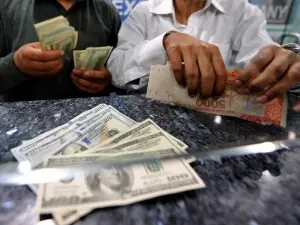
Millions entered this moment already exhausted. Wages stagnated while prices surged. Families downgraded food, postponed medical care, shifted children to cheap schools, borrowed from relatives, and ran tabs at neighbourhood shops. Inflation, for them, is not a macroeconomic indicator. It is the daily humiliation of choosing between food, transport, bills, and medicine.
Energy prices are now amplifying every weakness in the system. Diesel raises the cost of moving wheat, vegetables, milk — everything. Petrol makes commuting more expensive. Electricity punishes homes, shops, and factories alike. Small businesses cannot absorb these shocks indefinitely. Some pass the cost on. Others cut hours, delay salaries or shut down. The bill always lands somewhere — and it lands the hardest on those least able to bear it.
A wealthy household complains about inflation. A poor household changes what it eats. A lower-middle-class family sells an asset, pulls a child from tuition, delays a doctor’s visit or falls behind on rent. Inflation is not democratic. It is regressive and cruel.
This is where the crisis becomes social, not merely economic. When prices rise, jobs weaken and public services fail, distress accumulates quietly. Malnutrition increases. Mental stress rises. School dropouts rise. Petty crime rises. Families quarrel more. Young people lose faith. What begins as an economic squeeze becomes a political and social fault line.
Pakistan’s urban lower-middle class — teachers, clerks, shopkeepers, drivers, technicians, pensioners — once held the social fabric together. They were not wealthy, but they had dignity and hope. Today, many are sliding downward. Their incomes are fixed; their bills are not. Their savings have evaporated or never existed. Repeated inflation does more than erode purchasing power. It erodes confidence — the belief that hard work leads somewhere. Societies can endure hardship. They struggle when hope collapses.
The Gulf dimension deepens the danger. Millions of Pakistani households depend on remittances from workers in Saudi Arabia, the UAE, Qatar and beyond. If regional conflict slows construction, logistics, aviation or investment, Pakistani workers abroad will feel it. Job losses, delayed wages or reduced opportunities would hit families at home precisely when prices are rising. That would weaken the rupee further, raise import costs, fuel inflation again and tighten the recessionary loop.
High interest rates, though necessary to stabilise the currency, intensify the pain. They choke credit, freeze investment, slow construction and force businesses to cut jobs. Inflation may require discipline, but discipline has consequences — and those consequences are already visible in shuttered shops, shrinking payrolls and anxious households.
Policy mistakes now would be catastrophic. Denial will not work. Delay will not work. Blanket subsidies without fiscal space will only shift the burden from one pocket to another. But abandoning vulnerable households to absorb the shock alone would be socially reckless.
Cosmetic measures are no longer an option. Pakistan must confront the hard truth: extreme austerity, a drastic reduction in the size and cost of government, and strict rationing of scarce energy toward essential and productive uses may be unavoidable. The state can no longer afford wasteful expenditure, oversized administration, ceremonial spending or casual consumption of imported fuel. Every dollar saved is a dollar earned.
Agriculture adds another layer of risk. Fertiliser production depends heavily on natural gas. If gas shortages worsen or fertiliser plants reduce output, farmers will face shortages at critical moments in the crop cycle. Lower fertiliser availability means lower yields, higher food prices and the possibility of real shortages in vulnerable regions. In a country where millions already struggle to afford basic staples, even a modest disruption can turn economic stress into humanitarian crisis.
Energy must be treated as a scarce national resource, not an entitlement. Priority must go to food supply chains, hospitals, essential transport, export industries and basic public services. This will be politically difficult. But pretending that Pakistan can continue with business as usual is worse. The cupboard is not just bare; the shelves are gone.
Pakistan’s greatest vulnerability in a Middle East crisis is not imported oil alone. It is the fragility of a society where millions live one inflation shock away from desperation — and where that shock has already begun.
Economic crises can be managed with sound policy, external support and disciplined choices; but when people lose the ability to absorb further hardship, the challenge stops being economic. It becomes social, political and profoundly human.
Copyright Business Recorder, 2026
The writer served as the Deputy Chairman of the Planning Commission. X: @nadeemhaque; YouTube: @SiaLytics and Substack: Aid, Policy and Growth

PUBLIC SECTOR EXPERIENCE: He has served as Member Energy of the Planning Commission of Pakistan & has also been an advisor at: Ministry of Finance Ministry of Petroleum Ministry of Water & Power
PRIVATE SECTOR EXPERIENCE: He has held senior management positions with various energy sector entities and has worked with the World Bank, USAID and DFID since 1988. Mr. Shahid Sattar joined All Pakistan Textile Mills Association in 2017 and holds the office of Executive Director and Secretary General of APTMA.
He has many international publications and has been regularly writing articles in Pakistani newspapers on the industry and economic issues which can be viewed in Articles & Blogs Section of this website.







Comments