


If wishes were horses...
Textile exporters are appealing for reinstated concessions and tax relief as budget season approaches, but tight fiscal policies and IMF pressure limit government support, creating an uncompetitive environment.
- Textile exporters' demands for reinstated concessions and tax relief.
- Government's fiscal constraints and IMF's opposition to sector-specific subsidies.
- Impact of abrupt policy changes and rising costs on the textile sector.
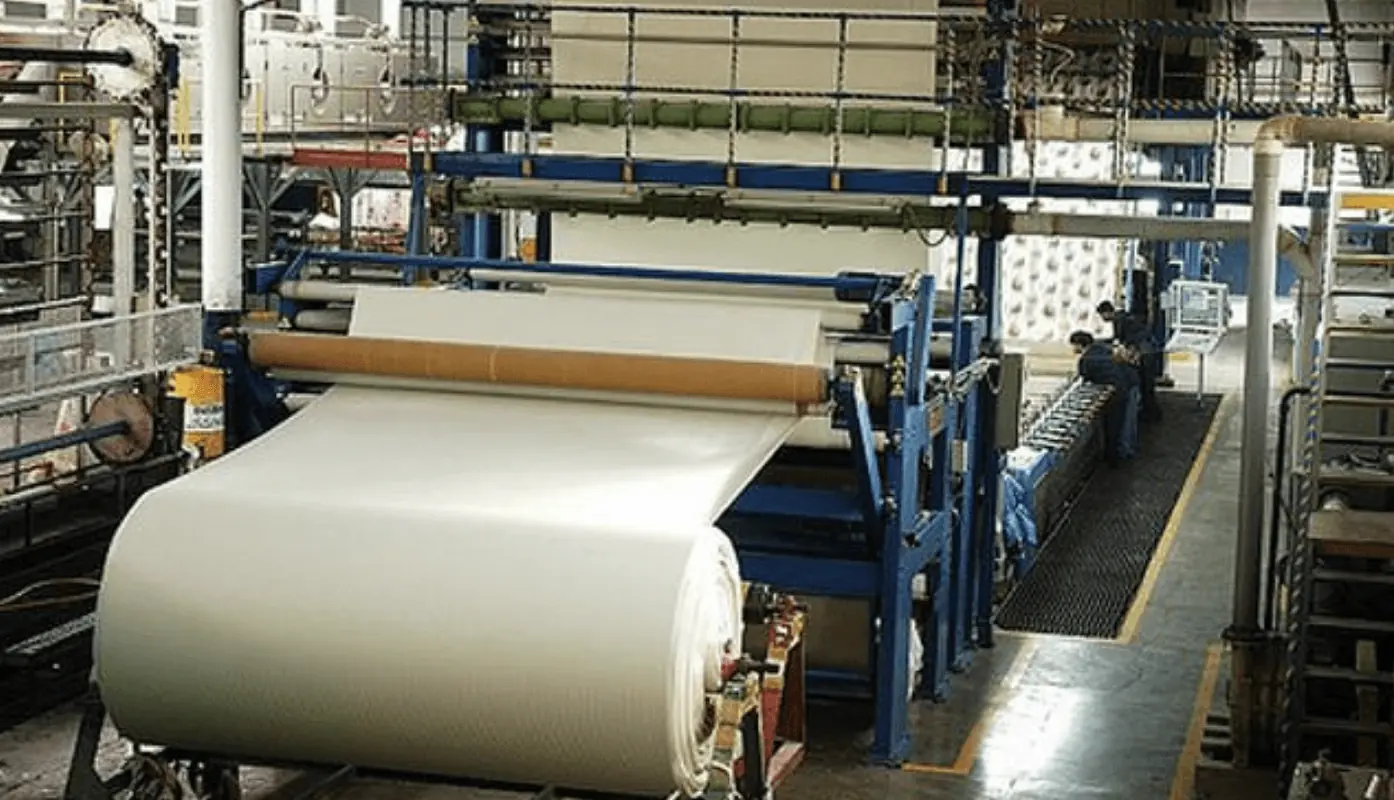
EDITORIAL: With the budget season approaching, textile exporters are appealing to Islamabad to reinstate the Export Facilitation Scheme (EFS) in its original form, restore the final tax regime, abolish other taxes and clear pending refunds. Needless to say, if wishes were horses, beggars would ride.
It is important to note that textile exporters, having long been perceived as rent-seekers, are asking for every subsidy and support measure they can get. However, there is little fiscal space to accommodate all these demands. The IMF (International Monetary Fund) is also not comfortable with the government providing concessions to one sector or another. It wants a level playing field.
Historically, textile players received several concessions, ranging from very low tax rates to generous mark-up subsidies and energy supplied below market rates. However, Pakistan’s exports-to-GDP ratio continued to decline.
Exporters argue that the fall was due to the absence of other competitive factors. Whatever the case, the concessions did not deliver the desired results. Therefore, under IMF pressure and amid the general perception that these benefits failed to produce results, successive governments have completely changed the taxation, energy and mark-up regimes for exporters.
They are now liable to full income tax, including super tax and other levies. In addition, they are taxed on a certain amount of turnover, which is choking cash flows and resulting in much higher effective tax rates for certain segments. This comes at a time when tax rates are generally increasing across the economy.
The story is similar on mark-up support. The SBP (State Bank of Pakistan) previously provided extremely low rates for both working capital and long-term financing. There were many instances of misuse, although some firms did manage to increase export proceeds because of these facilities. Now, not only has the SBP withdrawn from these schemes, but it is also maintaining a monetary policy of high real interest rates.
The situation is no different in the power sector, where tariffs have skyrocketed, whether for captive gas or grid electricity, while concessions are being withdrawn. The EFS was later introduced to smoothen tax rebates on imported goods used for re-export, but due to misuse by some players, everyone is now facing the consequences.
The point is not to let the textile sector remain perpetually dependent on crutches, but to help it gradually stand on its own feet. Abrupt changes can make the sector collapse. Even in rehabilitation, an addict is given drugs in small doses and then gradually weaned off. That is what should have happened with all the support the government and SBP provided to textile exporters.
However, withdrawing all support at once, while simultaneously running tight fiscal and monetary policies to cement stabilization, is doing more harm than good.
The case becomes even worse for exporters, especially manufacturers, when demand is managed through positive real interest rates and savings are extracted through higher taxes, while the exchange rate is kept sticky because it suits the regime politically. This makes exporters more vulnerable: they are paying higher debt, tax, and energy costs than their competitors, while also facing a currency disadvantage. It is nothing but a recipe for disaster.
Copyright Business Recorder, 2026




















Comments