


Indian rupee's rough patch worsens on oil, outflow strain; central bank likely steps in
- Indian rupee fell to 95.7375 per dollar
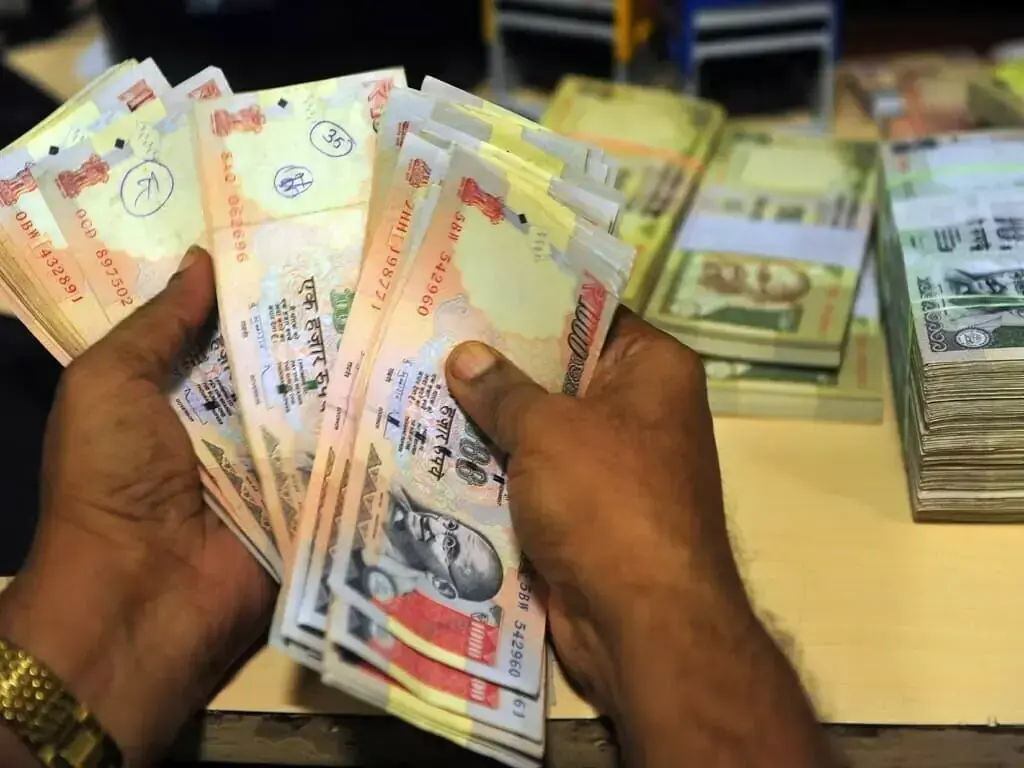
MUMBAI: The Indian rupee hit an all-time low on Tuesday as fading hopes of a peace deal between the U.S. and Iran sparked a run-up in oil prices, which, along with persistent portfolio outflows and weakening sentiment, pressured the currency.
The Indian rupee fell to 95.7375 per dollar, eclipsing its previous record low of 95.4325.
Likely intervention by the central bank helped limit further losses, traders said, with the local currency ending the trading session at 95.6275, down 0.3% from its previous close.
The rupee is Asia’s worst performing major currency over 2026 so far and has weakened nearly 5% since the Iran war broke out on February 28.
The Indian rupee and other currencies of oil-importing countries have been among the hardest hit following a near 50% surge in Brent crude prices since the Iran war began. The Philippine peso and the Indonesian rupiah have also been impacted severely, with the latter hitting a record low on Tuesday as well.
“Defensive currencies, specifically the INR, IDR, and PHP, are currently trading with a heavy bias. These regional pairs will be looking for relief in the form of oil prices declining sustainably below $100 to ease imported inflationary pressures and improve current account outlooks,” DBS said in a note.
Last week, ANZ lowered its December target for the rupee to 97.5 from 93. BMI, a unit of Fitch Ratings, flagged the risk of the currency sliding to 100 if the Iran war worsens.
The U.S.-Israeli conflict with Iran, now running for about two-and-a-half months, showed little sign of resolution despite a tenuous ceasefire in place since April 8.
Donald Trump said a ceasefire with Iran was “on life support” as Tehran rejected a U.S. proposal to end the conflict and stuck to a list of demands the U.S. president described as “garbage”. Brent crude oil futures were last at $107.4, up 3% on the day.
The longer the conflict drags on, the greater the likelihood that oil prices will remain high, keeping the rupee under sustained pressure, analysts said.
Higher oil prices are set to widen India’s current account deficit, with the strain compounded by the prospect of continued weak capital inflows.
Foreign investors have pulled out more than $20 billion from Indian equities since the war began, with year-to-date outflows exceeding last year’s record. Overseas investors sold nearly $900 million on Monday, according to preliminary data.
India’s benchmark equity index, the Nifty 50 fell 1.8% on Tuesday, its worst single-day fall in more than a month.
Support for the rupee
With the rupee under persistent pressure, expectations that policymakers could step in to support the currency have risen, including reviving measures used during the 2013 taper tantrum.
India’s Prime Minister Narendra Modi on Sunday urged limits on fuel use, travel and imports to save foreign exchange.
Potential measures that policymakers can tap include disincentivising non-essential imports like gold, tighter rules on outward remittances, a foreign currency deposit mobilization scheme and a hike in domestic fuel prices, Nomura said.
India has not increased fuel prices despite a rise in global prices since the start of the Iran war, diverging from many energy importing emerging market peers.
















Comments