


PAFI expresses serious reservations over proposed FOPL policy
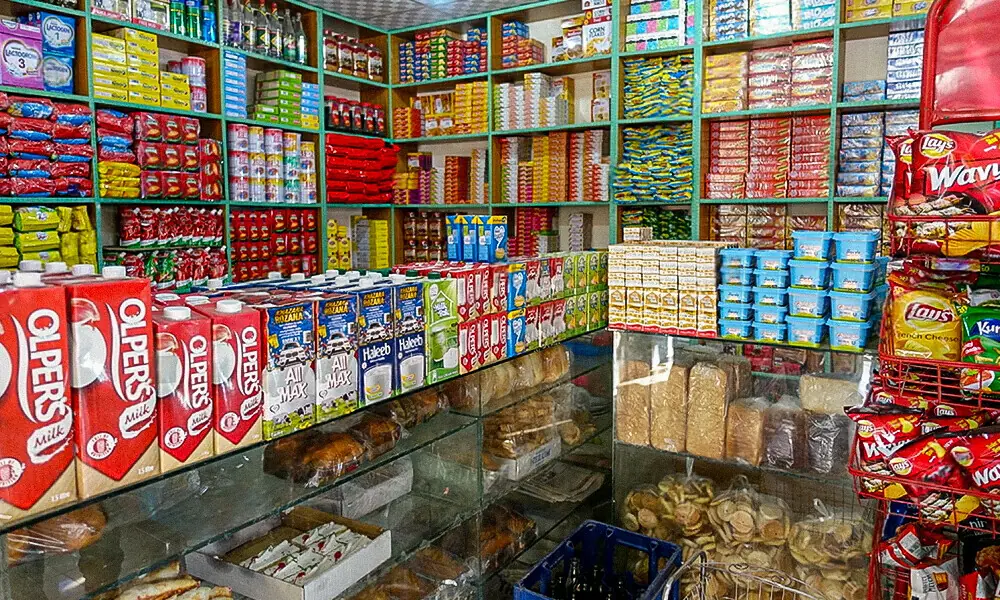

LAHORE: The Pakistan Association of Food Industries (PAFI) has expressed serious reservations over the proposed “Front-of-Pack Labelling” (FOPL) policy, terming it impracticable and warning that it could discourage consumption of regulated and compliant packaged food products while shifting consumers toward unregulated alternatives.
In a letter addressed to Prime Minister Shehbaz Sharif, the association appealed for intervention to ensure a more inclusive and consultative policy-making process, arguing that any regulatory framework should be developed on the basis of evidence and stakeholder engagement.
The PAFI, which represents Pakistan’s formal food and beverage sector, stated that its member companies collectively generate annual turnover exceeding Rs1 trillion and contribute around Rs 200 billion to the national exchequer. The industry also supports more than 100,000 jobs and contributes significantly to foreign exchange earnings through exports.
The association raised concerns over the proposed “Adoption of Nutrient Profile Models and Front-of-Pack Warning Labeling for Public Health” introduced by the Ministry of National Health Services, Regulations and Coordination for packaged food products.
“While the industry fully supports public health objectives, we respectfully submit that the proposed Front-of-Pack Labeling, in its current form, may lead to unintended consequences,” the letter stated. It added that warning labels could negatively affect demand for regulated products and unintentionally encourage consumption of unregulated and potentially unsafe alternatives.
PAFI further noted that the food industry was already facing substantial economic challenges, including rising inflation, higher taxation, escalating input costs and recent geopolitical developments affecting energy prices. According to the association, additional regulatory requirements at this stage would further increase compliance costs for the industry.
The association maintained that the packaged food sector in Pakistan already operates under a comprehensive regulatory regime and complies with both federal and provincial food laws, while export-oriented businesses also adhere to stringent international standards in destination markets.
PAFI said it had already shared an alternative proposal on front-of-pack nutritional labelling based on international best practices, including standards developed by the Codex Alimentarius Commission. It urged the Ministry of Science and Technology and the Ministry of National Health Services, Regulations and Coordination to consider the industry-backed proposal as a more balanced and consumer-friendly approach instead of adopting warning labels.
Meanwhile, stakeholders have also raised their concern regarding the revision of the Nutrition Technical Committee, wherein food industry representatives who were previously members of the PSQCA Technical Committee appear to have been sidelined. In addition, they alleged, the Provincial Chambers of Commerce, which represent a significant proportion of the small and medium food industry, were neither engaged nor consulted during the deliberation process. Furthermore, a comprehensive impact assessment — which is particularly essential for developing countries like Pakistan — has not been conducted.
Moreover, the proposed model, stakeholders said is currently limited to only seven countries, primarily in Latin America, while regulatory approaches adopted in the rest of the world have been overlooked and not taken into consideration.
Copyright Business Recorder, 2026




















Comments