


Dollar holds firm after Fed raises inflation alarm, yen slips past 160
- The Australian dollar fetched $0.71285 , and the New Zealand dollar traded at $0.58394 , both up roughly 0.2%
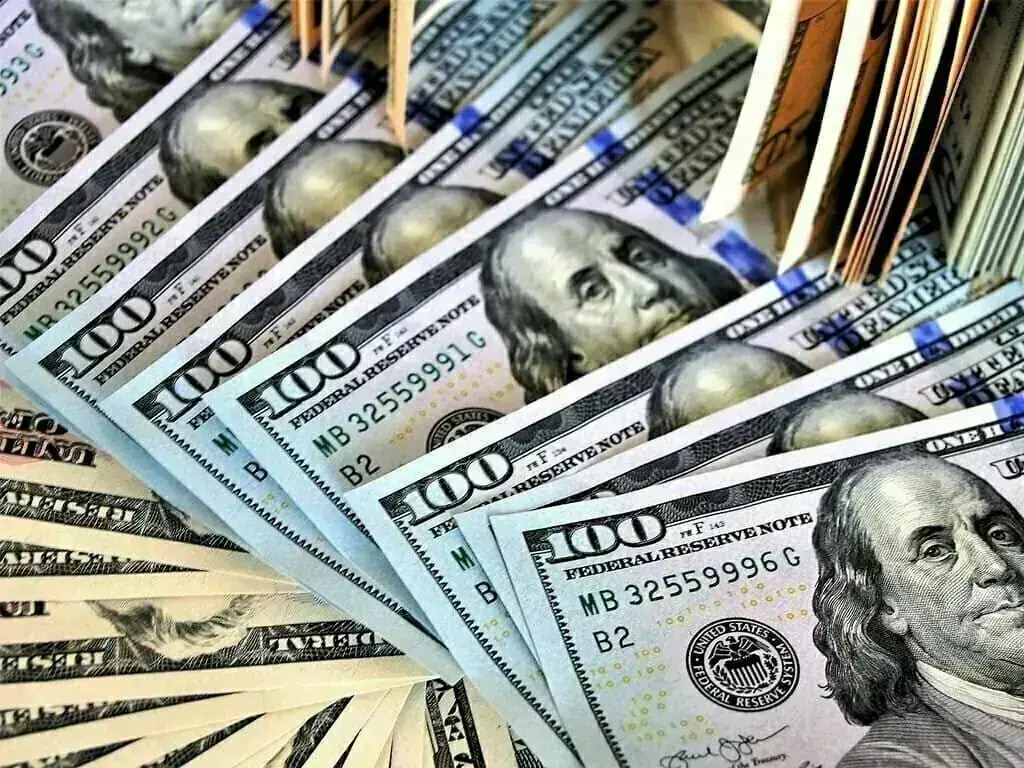
HONG KONG: The dollar hovered near its highest in more than two weeks on Thursday after some Federal Reserve policymakers turned hawkish, sending yields to a one-month top, while the Japanese yen’s break above 160 sharpened focus on intervention risks.
Fed Chair Jerome Powell closed out his eight years with rates on hold amid rising inflation concerns. The Fed’s 8–4 decision to leave the rate unchanged was its most divided since 1992, drawing three dissents from officials who no longer think the bank should communicate a bias towards easing.
The hawkish shift sent yields sharply higher. The 2-year note yield , which typically moves in step with rate expectations, rose to 3.928%, while the 10-year climbed to 4.421% — both their highest levels since March 27.
Traders are now pricing out, opens new tab Fed cuts entirely this year, with markets assigning a 55% chance of a rate hike by April 2027, sharply up from roughly 20% before the decision.
“The change in tone… the divisions within the Fed make it interesting. We are now starting to see some are getting worried about the inflationary impact that the Iran conflict has on the economy, and that obviously has consequences on easing bias that the Fed still technically has,” said Rodrigo Catril, currency strategist at National Australia Bank in Sydney.
Thai baht/US dollar weaker on Wednesday
The oil price spike has also made the market more nervous, and the dollar is now being supported by both risk aversion and higher US Treasury yields, he added.
The dollar index was steady at 98.852 following a 0.3% gain on Wednesday, hovering near the highest level since April 13.
The euro stood at $1.1689 and sterling traded at $1.34877 , both up roughly 0.1% so far in Asia.
The Bank of England and European Central Bank will also meet later today, with markets closely watching their guidance as expectations grew that both may be forced to raise rates soon.
Meanwhile a deadlock in diplomatic efforts to resolve the Iran conflict left the markets on edge, with President Donald Trump discussing how to mitigate the impact of a possible months-long US blockade of Iran’s ports with oil companies.
Oil prices, meanwhile, soared on fears of prolonged supply disruptions due to the Middle East war, with Brent crude futures nearing its highest point since June 2022.
The Australian dollar fetched $0.71285 , and the New Zealand dollar traded at $0.58394 , both up roughly 0.2%.
Japan intervention watch
The yen was down 0.1% at 160.16 per dollar, edging closer to levels that have previously triggered intervention, despite the Bank of Japan signalling after its policy meeting on Tuesday that it could raise rates in coming months.
The Japanese currency has fallen more than 2% since the war began on February 28, and investors have built the biggest short yen position in nearly two years in a bet that neither rate hikes nor risk of intervention will come to its rescue.
“While this brings the pair closer to intervention territory, the Ministry of Finance will be wary of firing its intervention bullets too early given Japan’s vulnerability as a large energy importer and the current stalemate in the Middle East,” analysts at IG said in a note.























Comments
Comments are closed for this article.