


Oil prices rise 3% as Iran war stand-off persists
- Brent crude futures for June climbed $3.28, or 3.03%, to $111.51 a barrel
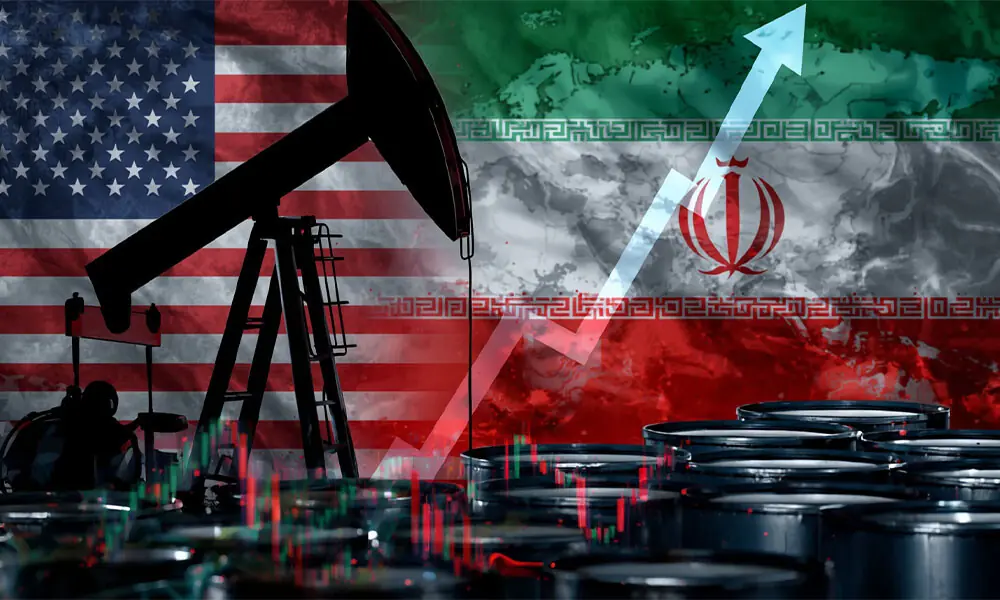

LONDON: Oil prices rose 3% on Tuesday, extending the previous session’s gains, as efforts to end the U.S.-Iran war appeared to have stalled, with the crucial Strait of Hormuz waterway still mainly shut, starving markets of key Middle East energy supply.
Brent crude futures for June climbed $3.28, or 3.03%, to $111.51 a barrel by 1115 GMT, after gaining 2.8% to close the previous session at its highest since April 7. The contract is up for a seventh straight day.
At their intra-day peak on Tuesday, Brent was up 3.4% on the day at $111.86 a barrel.
U.S. West Texas Intermediate (WTI) crude for June rose $3.47, or 3.6%, to $99.84 a barrel, after gaining 2.1% in the previous session.
U.S. President Donald Trump is unhappy with the latest Iranian proposal to end the war, a U.S. official said on Monday, as Iranian sources disclosed that it avoided addressing the nuclear program until hostilities cease and Gulf shipping disputes are resolved.
Trump’s displeasure with the offer leaves the conflict deadlocked, with Iran shutting shipping flows through the Strait of Hormuz, a conduit for about 20% of global oil and gas supplies, and the U.S. retaining its blockade of Iranian ports.
“Oil above $110 per barrel reflects a market that is rapidly repricing geopolitical risk,” said Rystad Energy analyst Jorge Leon.
“With peace talks stalled and no clear path to reopening the Strait of Hormuz, traders are factoring in a prolonged disruption to a critical artery of global supply,” he added.
“Even in a best-case scenario, any US–Iran agreement is likely to be narrow and partial, leaving the Strait issue unresolved, which means the upside risks to prices remain.” An earlier round of negotiations between the United States and Iran collapsed last week after face-to-face talks failed.
Ship-tracking data showed significant disruptions in the region, with six Iranian oil tankers forced to turn back due to the U.S. blockade, but some traffic is still moving.
A Panama-flagged tanker, Idemitsu Maru, carrying crude oil from Saudi Arabia, was attempting to cross Hormuz on Tuesday, shipping data showed, and a liquefied natural gas tanker managed by the United Arab Emirates’ Abu Dhabi National Oil Co crossed the Strait on Monday.
Prior to the U.S.-Israeli war on Iran, which began on February 28, between 125 and 140 vessels transited the strait daily.
The loss of about 10 million bpd of crude and products through Hormuz will continue to exceed falling consumption as inflationary pressures and demand destruction loom, PVM analyst Tamas Varga said, leading to an ever-tighter oil market balance.






















Comments