


India rupee, bonds under strain on elevated oil; Fed guidance in focus
- Higher oil prices threaten to slow growth and raise inflation in the import-dependent India
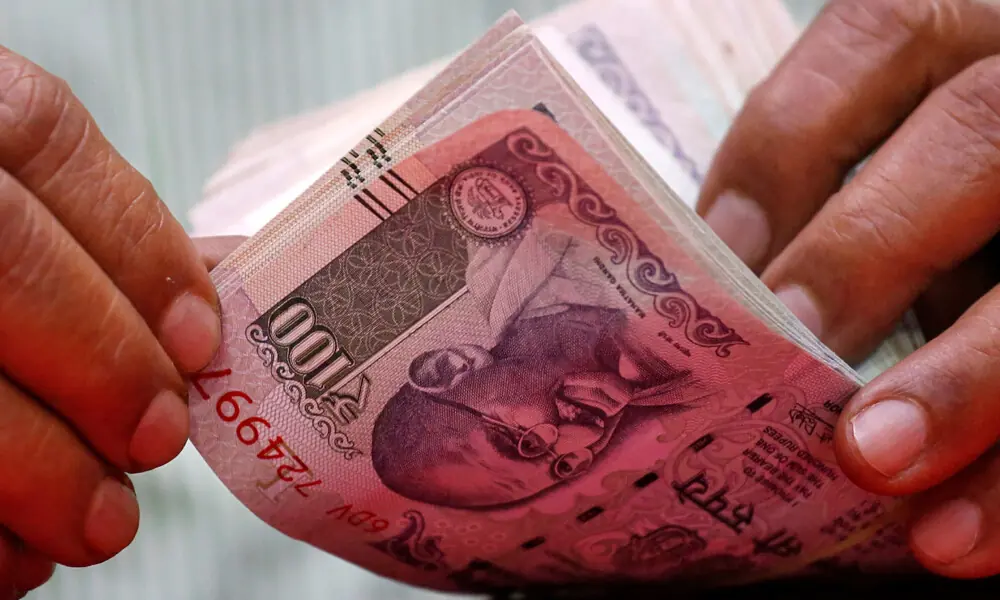
MUMBAI: Indian rupee and bonds are likely to extend declines this week as oil prices remain elevated on fading hopes of peace between Washington and Tehran after U.S. President Donald Trump told envoys not to resume talks.
Higher oil prices threaten to slow growth and raise inflation in the import-dependent India, while widening the fiscal and current account deficits.
Over the weekend, Trump said he canceled his envoys’ visit due to too much travel and expense for what he considered an inadequate Iranian offer.
This is expected to inject fresh volatility in markets and add strain on the rupee after it endured its steepest weekly decline since September 2022 last week to end at 94.2475 per dollar.
As the rupee drifts closer to a record low of 95.21 hit in late March, traders expect the central bank to step in to curb sharp losses.
Indian rupee ends nearly flat, likely RBI presence blunts hit from higher oil prices
Recent dollar sales by the central bank have been smoothening volatility in the exchange rate rather than anchoring the currency near a specific level, traders said.
While the Indian economy has shown resilience over the shock and the rupee is undervalued - on a real trade-weighted basis - “as long as the energy blockage persists, we think that the negatives outweigh the positives,” analysts at Goldman Sachs said in a note.
A host of central bank policy decisions and commentary will be in focus this week as policymakers will assess the impact of the Iran war on economies.
The U.S. Federal Reserve is expected to keep rates unchanged on Wednesday, with no rate action expected from the Bank of Japan, Bank of England and European Central Bank as well.
“Nobody knows where the crisis in the Middle East is going next. Nor is the data telling them (central banks) how to act,” per analysts at ING.
India bonds stall along with US-Iran talks
BONDS
India’s 10-year benchmark bond, which posted its first weekly decline since early April last week, is expected to also fall.
Traders expect the yield on the note to move in a 6.85% to 7.02% range this week against its close of 6.9365%.
“With the current cost of hedging, USD-based investors will see negative carry and rolldown return on their bond investments, which dampens attractiveness,” Matthew Kok, a portfolio manager at Eastspring Investments, said.
“At the same time, with the global rates sell off in March, bonds have generally cheapened significantly, making it easier to find alternatives.”
Oil price rose through last week amid concerns of a renewed military escalation in the Middle East after Iran released footage of commandos boarding a cargo ship in the Strait of Hormuz, and a lack of progress in re-opening the key waterway.
Navigation through the strait, which before the war carried about a fifth of global oil output, remains effectively blocked.
The benchmark Brent crude contract was around $105 per barrel, up by almost 50% over the last eight weeks since the U.S.-Iran war started on February 28.
















Comments