


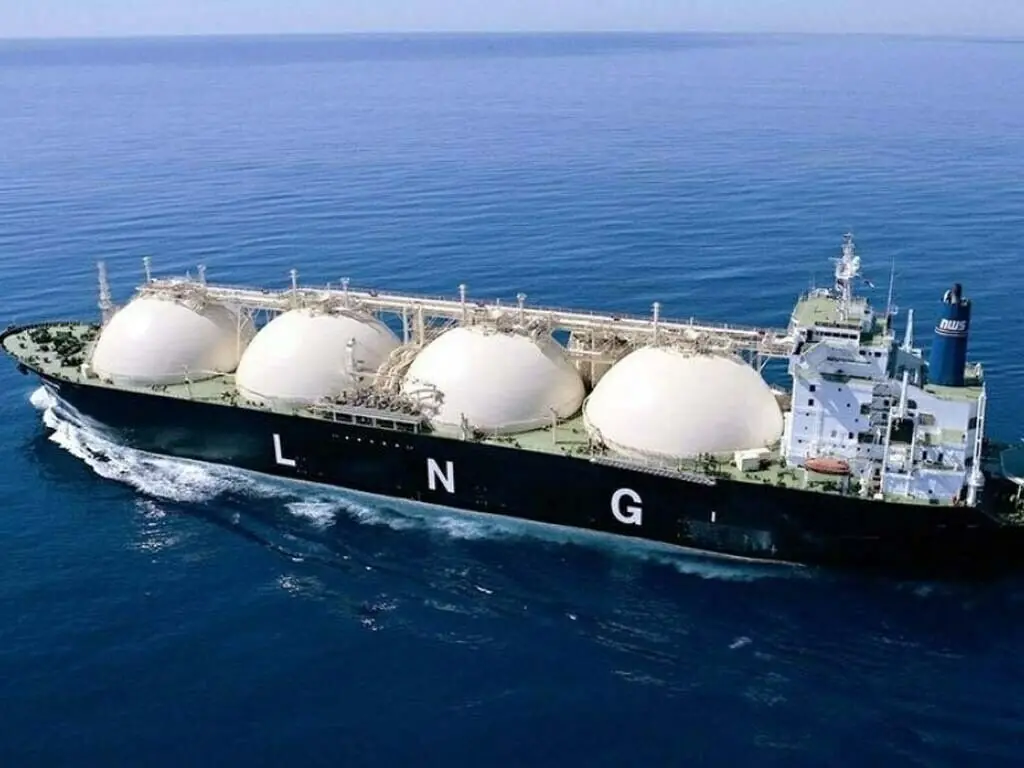

Pakistan did not drift into its RLNG crisis. It engineered it—through bad pricing, forced demand destruction, and a persistent belief that bureaucrats can outsmart markets. The result is brutally simple: the country is paying more for gas, using less of it productively, and damaging exports, energy security, and domestic reserves in the process.
At the center of this failure lies the 2024 policy decision to impose a levy on captive power plants. The intent was to push industry away from self-generation and onto the national grid. The reality? It penalized efficiency, broke industrial demand for RLNG, and destabilized the entire gas ecosystem.
Industry did not build captive power because it enjoys running mini-power plants. It did so because the grid is expensive, unreliable, and often unusable for export-grade production. Penalizing that reality without fixing the grid first was policy malpractice. It is like banning generators during load-shedding and expecting factories to clap instead.
Worse still, many of these captive plants are not inefficient relics—they are high-efficiency combined heat and power (CHP) systems. These systems extract maximum value from RLNG, producing both electricity and process heat. In an export economy starved of dollars, this is exactly where imported gas should go. Instead, policy treated them as a problem to be punished.
The levy itself was fundamentally flawed. It was based on distorted electricity benchmarks and outdated cost assumptions, turning what should have been a pricing signal into a blunt instrument. Industry was told to absorb expensive RLNG, pay an additional levy, and shift to a grid burdened by cross-subsidies and inefficiencies. Predictably, this did not create a transition—it created collapse.
Demand did not shift. It evaporated.
Factories scaled down. Some shifted to coal. Others accelerated solar adoption. Many simply lost competitiveness. This matters because industry is the only segment that converts imported RLNG into exports and foreign exchange. Destroy that demand, and the problem doesn’t disappear—it multiplies elsewhere in the system.
That is exactly what happened.
RLNG was diverted toward households and subsidized consumption. Now let’s be clear: imported RLNG is expensive, dollar-denominated fuel. When used by industry, it generates exports, jobs, and tax revenue. When diverted to low-value consumption, it generates bills. That is not social protection—it is economic self-harm.
Even conservative estimates suggest that prioritizing industrial RLNG use could have saved hundreds of millions of dollars annually. In the current geopolitical environment, those losses are even larger. The ongoing tensions involving Iran and the United States have pushed up risk premiums across energy markets—freight, insurance, and supply volatility. Every misallocated unit of RLNG now costs more. A bad policy has become an expensive one.
Meanwhile, Pakistan continues to pay for LNG infrastructure it is no longer using properly.
Floating Storage and Regasification Units (FSRUs) carry fixed, dollar-based capacity costs. These costs do not disappear when demand falls. Instead, as throughput declines, the per-unit cost of RLNG rises. In plain terms: the country is paying for expensive infrastructure and then choosing not to use it efficiently.
Then come the LNG-based power plants—another layer of the mess.
These plants require high utilization to make economic sense. But when RLNG is expensive, industrial demand is weak, and solar penetration is rising, dispatch falls. The result is predictable: these plants turn into financial liabilities. Capacity payments remain, fuel costs fluctuate, and output declines. It is the energy sector equivalent of paying rent on a factory that barely runs.
And just when you think it cannot get worse—it does.
To accommodate imported RLNG under rigid contracts, the system has started backing down local gas production. This is not a harmless adjustment. Gas reservoirs are not light switches. Shutting them in can damage pressure regimes, cause water loading, reduce recoverability, and permanently impair output. Restarting them is costly and sometimes incomplete.
So let’s summarize the brilliance of the current policy structure:
• Import expensive RLNG
• Destroy the demand that justifies it
• Underutilize infrastructure already paid for
• Turn LNG power plants into liabilities
• Shut down cheaper local gas fields and risk permanent damage
That is not energy management. That is economic sabotage dressed up as policy.
And it all traces back to one core mistake: attacking productive demand instead of fixing structural inefficiencies.
Had policy taken the opposite approach, the outcome would be entirely different. RLNG would be allocated to high-efficiency industrial users. CHP systems would be supported, not penalized. Infrastructure utilization would improve. Export competitiveness would strengthen. Domestic gas production would remain stable.
Instead, the system is now structurally unstable—high costs, weak demand, stranded assets, and long-term damage to domestic resources.
The solution is neither complex nor mysterious.
First, the captive levy must be withdrawn or fundamentally restructured.
Second, CHP and industrial users should receive RLNG at transparent, actual cost.
Third, industrial electricity tariffs must be cleaned of cross-subsidies and legacy distortions.
Fourth, RLNG allocation must prioritize export-oriented sectors.
Fifth, local gas production must be protected from avoidable shut-ins that damage reservoirs.
Pakistan’s gas crisis is not a shortage problem. It is a policy problem—misallocation, distorted pricing, and poor sequencing of reforms.
And here’s the uncomfortable truth: whenever bureaucrats try to manage markets instead of enabling them, outcomes like this are inevitable.
In a world where energy is becoming more volatile and expensive, Pakistan cannot afford self-inflicted wounds of this scale. The country could have been saving hundreds of millions of dollars, strengthening exports, and preserving its energy base.
Instead, it chose to burn dollars—and call it policy.
Copyright Business Recorder, 2026




















Comments