


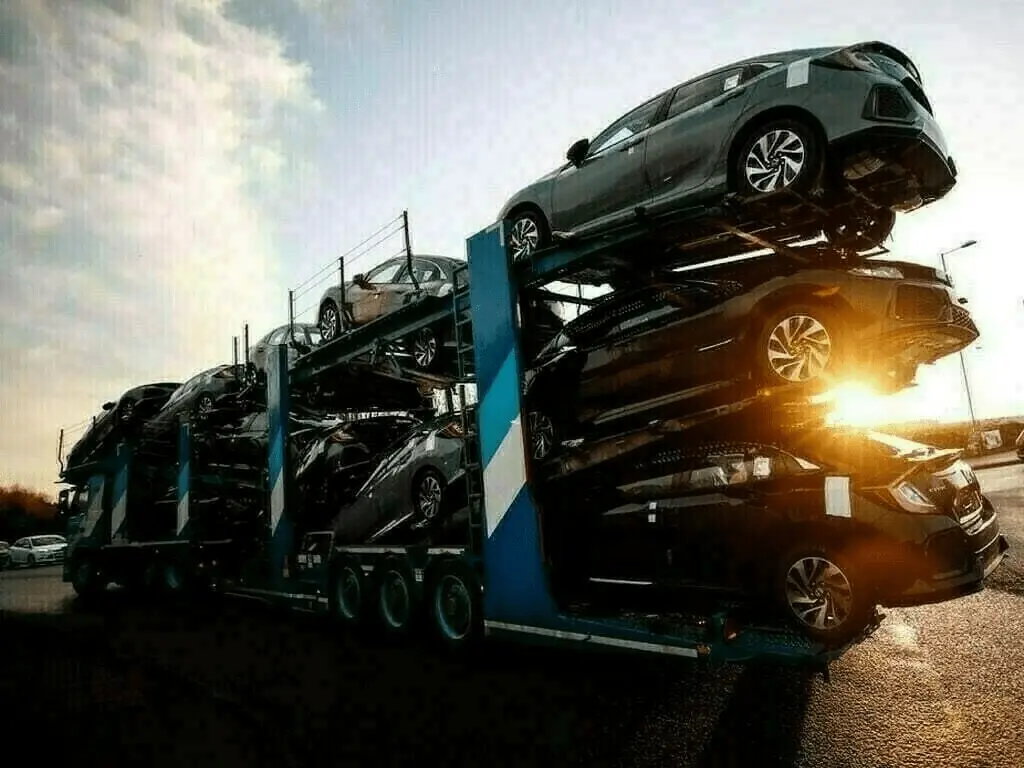

Car sales in Pakistan have continued to rise by 45% during the first nine months of the current fiscal year (July to March FY 2025-26) as Internal Combustion Engine (ICE) vehicles still prevail over Electric Vehicles (EVs) despite the government’s support towards emerging EV industry.
According to data released by the Pakistan Automotive Manufacturers Association (PAMA), there was a substantial rise in the sales of all two-three-and-four wheelers, while the sales of farm tractors continued to decrease as usual for several months.
Car sales in Pakistan (excluding LCVs, Vans, and Jeeps) increased by 45% to 109,655 units in July-March FY26, as compared to the 75,397 units sold in the same period the previous year.
Sales of jeeps and pickups rose by 35% to 34,374 units. Sales of trucks and buses went up by 82% to 5,143 units and by 33% to 720 units, respectively. Motorcycles and rickshaws also increased by 31% to 1,429,501 units.
Moreover, sales of farm tractors fell by 13% to 20,292 units because of climate change following losses of crop output.
Shafiq Ahmed Shaikh, an automobile expert, said, “In my opinion, despite the emergence of EVs, ICE vehicles continue to dominate production and sales in Pakistan. The ICE industry has seen a massive rebound, with passenger car sales jumping by 45% and production rising by 51%. This surge is largely attributed to a more stable macroeconomic environment by this government and a significant decrease in interest rates, which has revived bank financing and corporate auto leasing”.
Also read: Localisation key to making cars affordable for Pakistan’s middle class: experts
He said the recovery was led by the trucks and buses segment, which saw production and sales spikes of 88% and 82%, respectively, reflecting increased logistics demand and economic activity. Jeep sales surged by 35%, driven by a growing preference for SUVs and functional pickups.
Shaikh further said a steady 31% increase in the two and three wheeler category indicated that the mass market relied heavily on traditional personal mobility.
“Whereas farm tractors are the only segment to decline (-13%), primarily due to declining of farm economics and lower crop prices due to current war between three countries, as exports are almost not happening,” he said.
Regarding stability and increase in demand, Shaikh was of the view the trends reflects that ICE vehicles remain the preferred choice, as EVs are typically more expensive.
“Furthermore, ICE vehicles offer ‘refuel and go’ convenience, whereas Pakistan’s charging network is very less in numbers, remains in its infancy, and is concentrated only in major cities.
“Resale value is another critical factor. In Pakistan, a car is considered a liquid financial asset with an established secondary market. In contrast, EV resale values remain uncertain, with early data from 2025–2026 suggesting some models lose 15–25% of their value within 18 months due to buyer skepticism regarding battery degradation and range anxiety.”
Moreover, Shaikh continued, serviceability also plays a major role. “While any roadside and local mechanic can fix an ICE engine, EVs require specialised workshops, trained mechanics and imported parts their parts prices are currently scarce and expensive.”















Comments