


Middle East war to cut growth, deliver cascading impact: World Bank chief

WASHINGTON: The war in the Middle East will have a cascading impact on the global economy, even if the fragile ceasefire announced by US President Donald Trump takes hold, World Bank President Ajay Banga told Reuters in an interview on Friday.
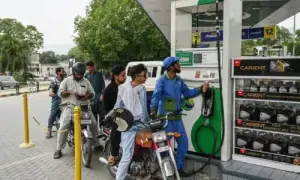
And the damage will be far deeper if the ceasefire fails and the conflict escalates, he said. Banga on Tuesday said global growth could be lowered by 0.3 to 0.4 percentage point in a baseline scenario, with an early end to the war, and by as much as 1 percentage point if it endures. Inflation could increase by 200 to 300 basis points, with a much higher impact - of up to 0.9 percentage point - if the war continues, he said. The war, which has killed thousands of people across the Middle East, has sent the price of oil up by 50 percent while disrupting supplies of oil, gas, fertilizer, helium and other goods, as well as tourism and air travel.
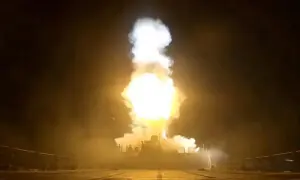
The two-week ceasefire announced by Trump appears tenuous, with Israel and Iran continuing strikes. Iran said on Friday that blocked Iranian assets must be released and a ceasefire must take hold in Lebanon before US-Iran talks, scheduled for Saturday in Pakistan, can proceed. Trump said that US warships were being reloaded with ammunition in case the talks failed.
“The question really is, does this current peace and the negotiations that are going to be happening this weekend - will this lead to a lasting peace and then a reopening of the Strait (of Hormuz)?” said Banga. “If it doesn’t lead to that, and if conflict were to break out again, would that have an even larger impact, or longer-term impact on energy infrastructure?”
Banga said the world’s largest development bank was already in discussions with some developing countries, including small island states with no natural energy resources, about tapping funds from existing programs under “crisis response windows.”
The World Bank’s crisis toolkit allows countries to tap previously approved but not yet disbursed funds without additional board approvals, increasing flexibility.
But Banga said the bank was cautioning countries to avoid setting up energy subsidies that they could not afford, which would trigger even bigger problems in the future.
“I worry about making sure that they can come through this crisis, targeting what they need to do, but not doing anything that further deteriorates that fiscal space,” he said.
Many developing countries also have high debt levels and interest rates remain high, which constrains their ability to borrow money to fund measures to respond to the jump in energy costs and other goods caused by the war.
The crisis has put a fresh spotlight on the need for countries to diversify energy supplies and boost self-sufficiency, Banga said. The World Bank last June ended a longstanding ban on funding nuclear energy projects as part of a push to meet rising electricity needs.










Comments