


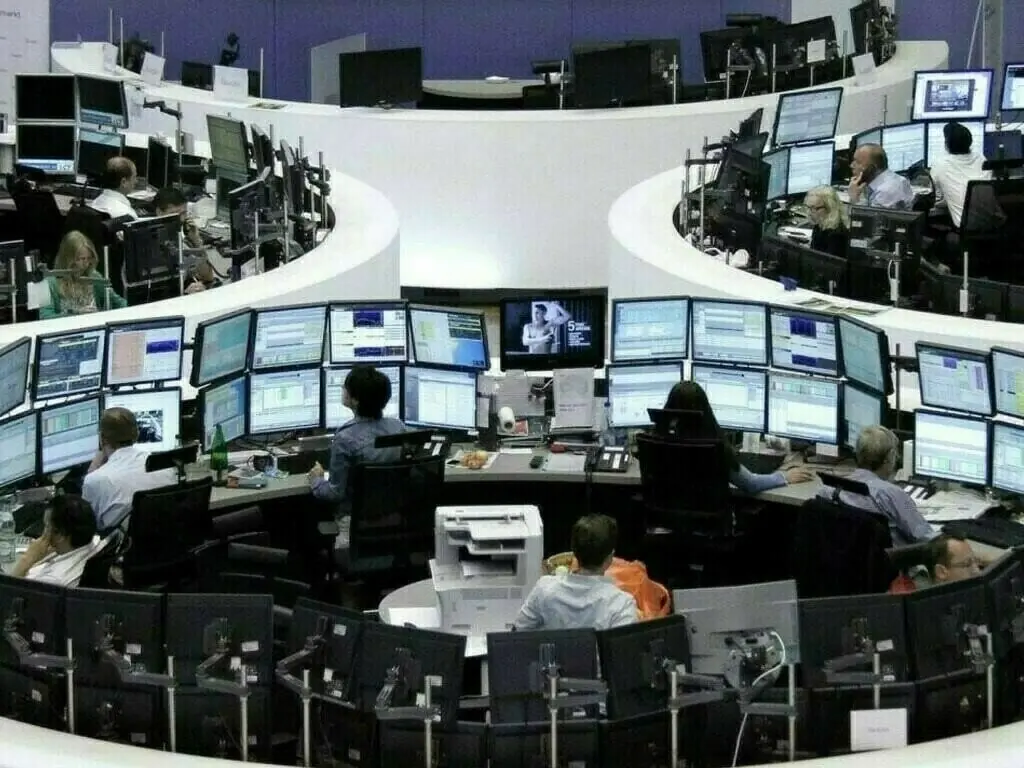

FRANKFURT: European stocks ended Tuesday with their steepest monthly decline in nearly four years, underscoring the degree to which the Middle East conflict has shaken regional equities.
The pan-European STOXX 600 index fell 8 percent in March, snapping an eight-month run of gains and posting its biggest monthly loss since June 2022. For the first three months of 2026, the index has slipped 1.5 percent, its first quarterly decline in five quarters.
The US-Israel war against Iran has disrupted shipping in the vital Strait of Hormuz and driven up crude prices, aggravating inflation concerns across Europe, which relies heavily on energy imports.
US President Donald Trump told aides he is willing to end the military campaign against Iran even if the Strait of Hormuz remains largely closed, the Wall Street Journal reported on Tuesday, helping push the STOXX 600 index 0.4 percent higher.
However, analysts say any gains remain vulnerable to swift reversals unless a ceasefire materialises.
“We’re in oversold condition. That, coupled with this element of potentially encouraging news, has helped to shape the bounce that we’re seeing today,” said Fiona Cincotta, senior market analyst at City Index, referring to the WSJ report. However, “we’ve seen this numerous times in recent weeks where there’s a comment from Trump which has been encouraging, only for that optimism to fade once again,” she added. All major regional bourses rose on the day but logged monthly losses.
Swiss stocks gained 0.9 percent after UBS Securities upgraded the index to “attractive,” citing lower valuations after a more than 10 percent drop from its peak.
Inflation in the euro zone rose to an annual rate of 2.5 percent in March, according to a first estimate from the European Union’s statistics agency. While slightly below expectations, the increase has led to concerns that the unrelenting war would exacerbate price pressures.
“The price at the pump is the main culprit, but also expect upside risk to food and goods prices given fertiliser shortages and broader supply chain problems stemming from the war,” said Bert Colijn, chief economist for the Netherlands at ING. Among individual movers, UBS shares climbed 4 percent after the Financial Times reported Swiss lawmakers have assured the lender they will ease capital rules, helping financial services stocks rise 1.7 percent.

























Comments
Comments are closed for this article.