


Wall Street rebounds after recent selloff with ME conflict in focus
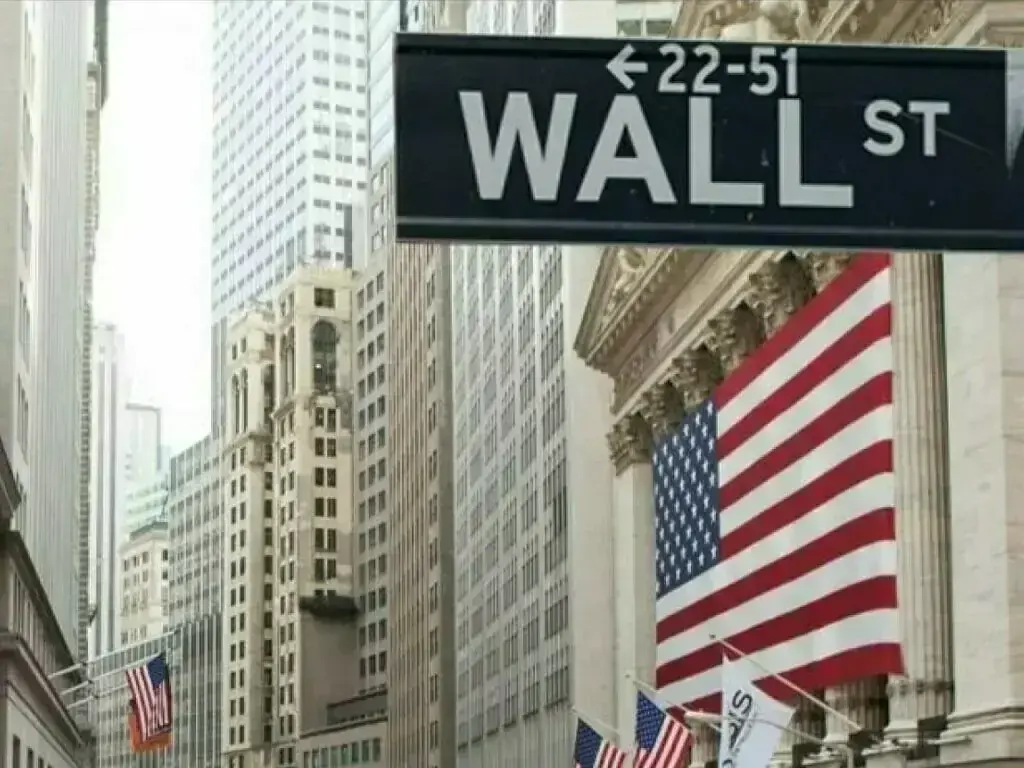

WASHINGTON: Wall Street’s main indexes gained in choppy trading on Monday after logging sharp declines in the previous session, as investors took heart from President Donald Trump’s comments on US-Iran talks even as the Middle East conflict widened.
Trump said the US was in serious discussions with a “more reasonable regime” to end the war, but repeated his warning to open the Strait of Hormuz or risk U.S attacks on Iranian oil wells and power plants.
Yemen’s Iran-backed Houthi militia entered the war over the weekend, escalating the conflict.
The S&P 500 Energy Index added 0.9 percent with Exxon Mobil and Chevron up 2.1 percent and 1.3 percent, respectively.
“It’s the sense that there’s negotiations going on and if that’s the case, there may be some resolution…When the markets get oversold, they will grasp for any potential positive catalyst and that’s where we are today,” said Art Hogan, chief market strategist at B Riley Wealth.
Since the war started, the Dow, the Nasdaq and the small-cap Russell 2000 have all confirmed correction territory, ending 10 percent lower from their record-high closes.
At 11:31 a.m. ET, the Dow Jones Industrial Average rose 324.12 points, or 0.72 percent, to 45,491.47, the S&P 500 gained 19.64 points, or 0.31 percent, to 6,388.49 and the Nasdaq Composite gained 9.79 points, or 0.05 percent, to 20,958.15.
The financial index gained 1.7 percent after the US Department of Labor issued long-awaited guidelines intended to clarify how trustees can add alternative assets to 401(k) retirement plans.
Shares of asset managers climbed with Blackstone up 4.4 percent, KKR up 3.7 percent and Apollo Global Management gaining 3 percent.
Heavyweight tech stocks on the S&P 500 dipped 0.5 percent, led by Apple and Broadcom, limiting gains on the S&P 500 and the Nasdaq. The broader semiconductor index fell to a three-month low, last down 2.7 percent.
Federal Reserve Chair Jerome Powell said longer-term inflation expectations appear to be holding despite the current energy shock, and the Fed does not yet need to make a decision on how to react to the latest troubles.


























Comments
Comments are closed for this article.