


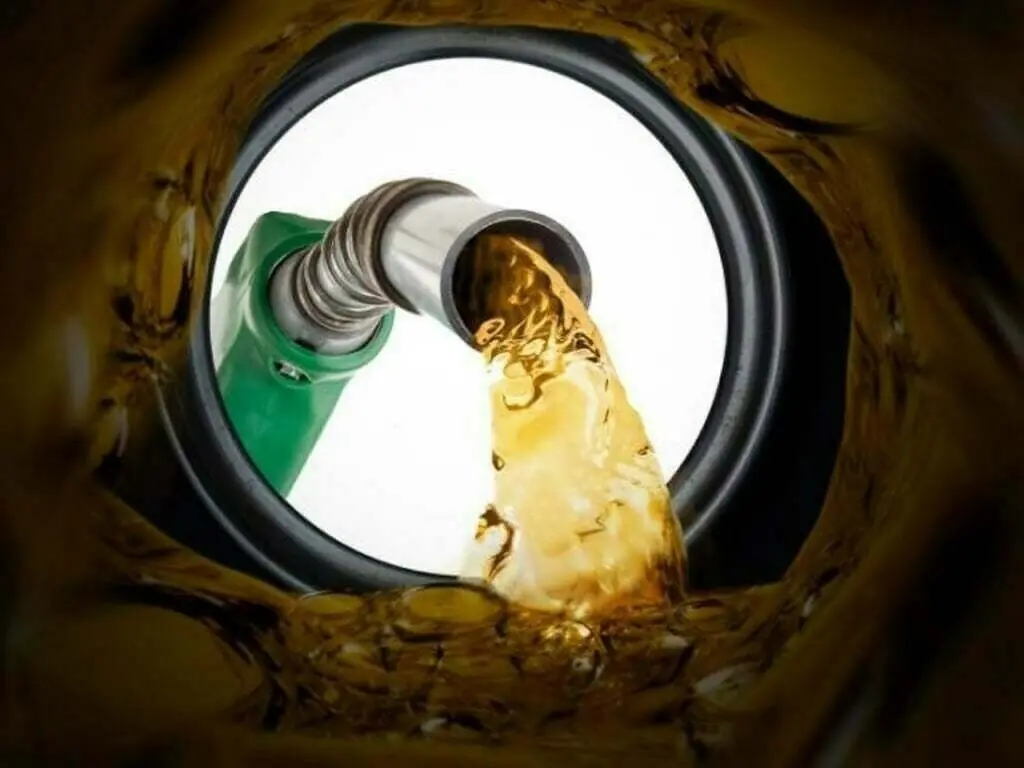

ISLAMABAD: The Oil Companies Advisory Council (OCAC) has welcomed the government’s decision to introduce daily pricing of petroleum products, stating that, in the long run, consumers will benefit from greater choice, improved service standards, and market-driven pricing in a competitive environment.
In a statement on Saturday, OCAC said its members appreciated the move toward daily pricing and lauded the commitment of the Ministry of Petroleum and the Oil and Gas Regulatory Authority (Ogra) to advance deregulation — an initiative that has remained under discussion for over two decades.
READ ALSO: Petroleum minister consults industry on daily fuel pricing reform
The Council also assured its full support and cooperation to the government in achieving the broader objective of deregulation. OCAC noted that deregulation is expected to foster a more competitive, transparent, and efficient fuel market by encouraging fair competition and improving operational efficiency across the industry. It expressed confidence that a well-designed and effectively implemented deregulation framework would contribute to sustainable growth and modernisation of Pakistan’s downstream petroleum sector while safeguarding consumer interests.
Reacting to the development, Adil Khattak, Chief Executive Officer of Attock Refinery Limited and Chairperson of the Energy Committee at the Overseas Investors Chamber of Commerce and Industry (OICCI), said the government’s move toward a market-oriented petroleum pricing regime was a positive step.
He noted that the transition to daily price notifications reflects the government’s intent to enhance market responsiveness and gradually move toward deregulation. However, he cautioned that the success of the reform would depend not merely on the frequency of price adjustments but on the strength of the overall regulatory framework.
Khattak stressed the need for the government to share details of the revised pricing mechanism, implementation roadmap, and standard operating procedures (SOPs) with all stakeholders to ensure transparency, fairness, and a level playing field for both public and private sector participants.
He further observed that petroleum prices, inventories, and imports remain regulated — directly or indirectly — and warned that shifting from fortnightly to weekly, and now daily pricing without addressing underlying structural issues could increase price volatility, complicate inventory and cash-flow management, and create market distortions.
“True deregulation is not simply about more frequent price announcements; it requires allowing market forces to operate within a transparent, predictable, and equitable policy framework,” he said, adding that daily pricing should be viewed as an important milestone in a broader reform agenda rather than an end in itself.
Khattak expressed optimism that, with continued stakeholder engagement and the consultative approach demonstrated by the Petroleum Minister, the initiative could evolve into a landmark reform that strengthens competition, enhances market efficiency, and benefits both consumers and the petroleum industry.
Copyright Business Recorder, 2026















Comments