


ME conflict disrupts Pakistan’s trade to GCC states, other regions
- Pakistan Institute of Development Economics says high energy prices could increase Pakistan’s import bill by USD 4.5 billion
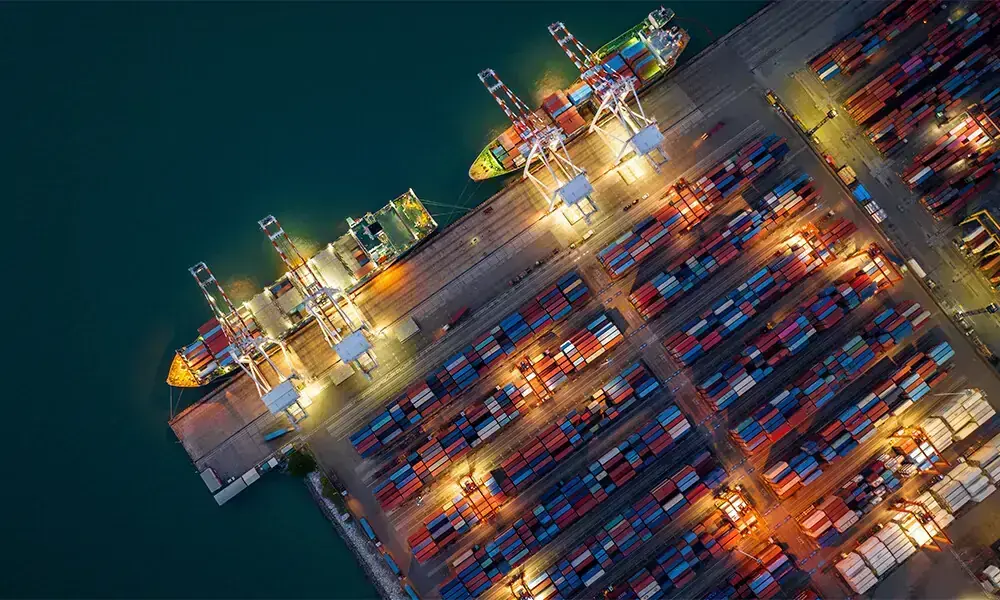

ISLAMABAD: The ongoing Middle East conflict is poised to potentially reduce Pakistan’s direct exports to Gulf Cooperation Council (GCC) countries by USD 1.5 billion to USD 2 billion, while imports — predominantly energy — could decline by USD 3 billion.
Pakistan Institute of Development Economics, in its recent Policy View Point authored by Dr Syed Hasanat Shah Professor of Economics, PIDE and Wajid Islam Research Economist, PIDE, stated that the ongoing confrontation between the US, Israel and Iran in the Mideast has evolved from a regional political dispute into a global economic crisis.
READ MORE: Food commodities: Govt decides to boost exports to war-torn Gulf
The conflict has destabilised the Mideast and thus has disrupted Pakistan’s direct and indirect trade to the GCC countries and other regions. It could destabilise Pakistan’s local production and global exports.
At the same time, high energy prices could increase Pakistan’s import bill by USD 4.5 billion. It could increase Pakistan’s current account deficit and external debt.
The crisis could also worsen Pakistan’s balance of payments position by reducing export earnings and remittance inflows, and thus, the pressure on reserves could once again become unsustainable.
Furthermore, the border trade situation with neighbouring countries is already strained, and the ongoing war in the Middle East could decrease Pakistan’s border trade with Iran. Higher oil prices also imply a return to double-digit inflation, reversing the stabilisation achieved during FY25. To mitigate these risks and maintain a robust energy supply, the study suggests that Pakistan must reroute oil imports to Yanbu port in the Red Sea.
Pakistan also needs to diversify oil imports and should leverage CPEC 2.0 as a robust alternate trade market. These measures are important to absorb external shocks. This crisis is a test case for producers in a rapidly changing global landscape, where survival will count more on competitiveness, innovation, and efficiency rather than on external support.
The closure of significant trade routes and a sudden rise in energy prices have turned the US-Israel-Iran conflict in the Middle East into a global economic crisis. The ongoing war in the Middle East has not only halted international trade in the Gulf region but also disrupted the global energy supply chain.
The crisis could adversely and disproportionately affect other countries like Pakistan. The conflict has the potential to compound external sector disconcerts of developing countries if it lasts longer, the report added.
Copyright Business Recorder, 2026


















Comments
Comments are closed for this article.