


Wall St slides as ME de-escalation uncertainty weighs on sentiment
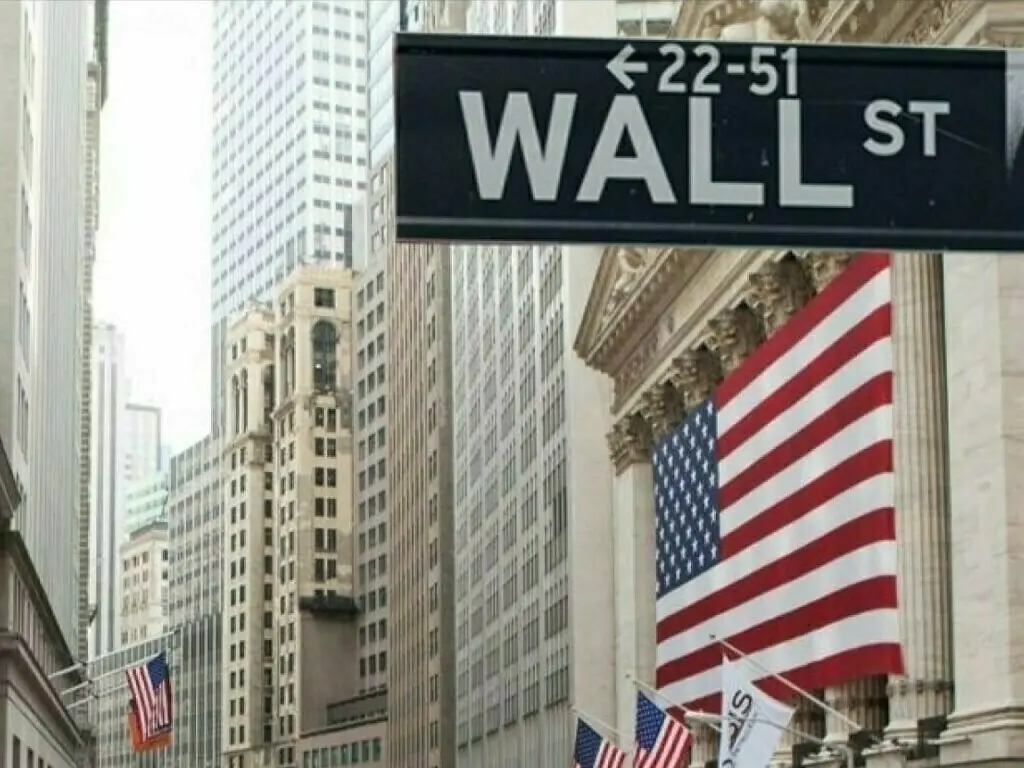

NEW YORK: Wall Street’s main indexes dropped on Thursday following gains in the previous session, as conflicting signals from the US and Iran on the prospects of a de-escalation in the Middle East kept investors on edge.
A US proposal for ending nearly four weeks of fighting is “one-sided and unfair”, a senior Iranian official told Reuters on Thursday, while also stressing that diplomacy had not ended despite the current lack of a realistic plan for peace talks.
“There’s just a lot of confusion as to what is really happening. Is the administration negotiating with Iran or there’s just confusion around that? That’s why you’re seeing this back and forth,” said Hank Smith, director and head of investment strategy at Haverford Trust. “But the market has held up really well partly because there is a fear of missing out on a rebound when the war ends.”
At 12:00 p.m. ET, the Dow Jones Industrial Average fell 202.81 points, or 0.45 percent, to 46,221.54, the S&P 500 lost 50.27 points, or 0.77 percent, to 6,540.93 and the Nasdaq Composite lost 229.53 points, or 1.05 percent, to 21,700.29.
Jurors in the first two trials from a growing wave of lawsuits targeting social media firms over harm to children have found Meta and Alphabet’s Google liable, sending their shares down 6.3 percent and 2.1 percent respectively, to multi-month lows.
They bogged down the S&P 500 communication services index by 2.4 percent.
Technology stocks were the biggest weights on the S&P 500, falling 1.2 percent. Memory chipmakers continued to sell off, with Micron Technology, SanDisk and Western Digital down between 4 percent and 7 percent. The Philadelphia SE Semiconductor index lost almost 2.7 percent, after three sessions of gains.
The escalating conflict in the Middle East has knocked the global economy off a stronger growth path, the OECD warned on Thursday, with a closure of the Strait of Hormuz threatening to push inflation sharply higher.
Oil prices rose by over 4 percent on the day, making the S&P 500 energy sector the biggest percentage gainer on the benchmark index.
Central banks have been put in a tough spot with regard to interest rates, as money market participants no longer price in any easing from the US Federal Reserve this year. Two rate cuts had been expected before the Iran conflict erupted, according to the CME Group’s FedWatch Tool.
Data showed new applications for US unemployment benefits rose slightly last week, suggesting a stable labor market and allowing the Fed to hold rates steady while monitoring the impact of the Iran war.























Comments
Comments are closed for this article.