


Novo Nordisk patent expiry opens door to cheaper weight-loss drugs in India
- This could lead to misuse, poor titration and unmanaged side effects and eventually regulatory tightening
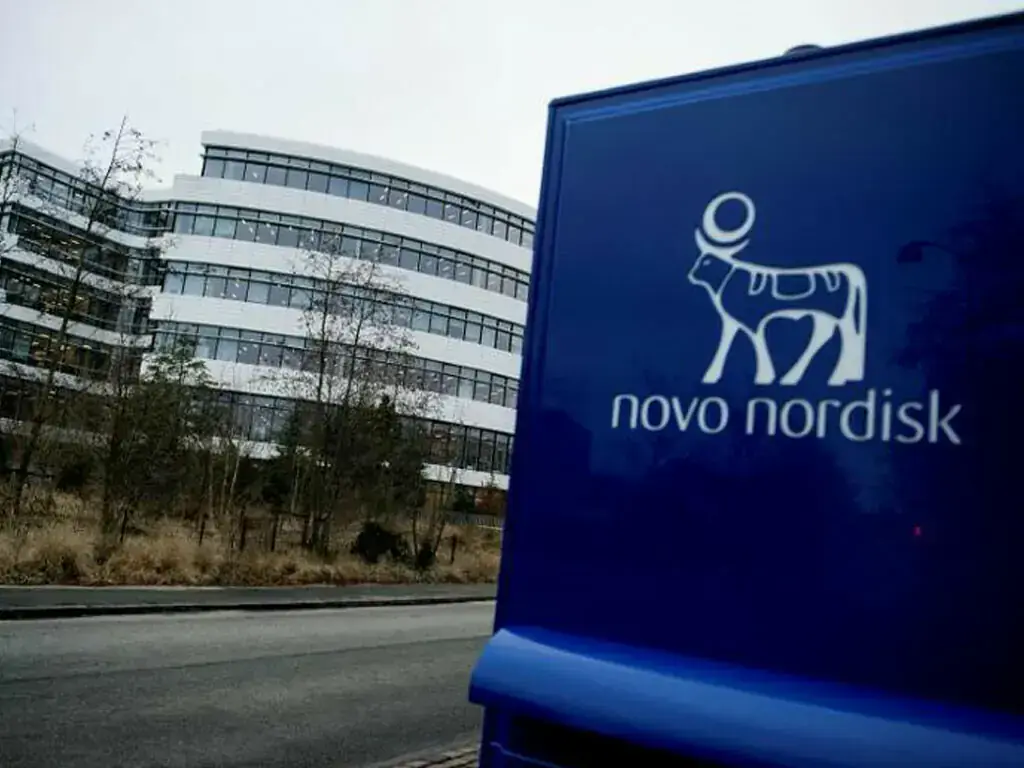

HYDERABAD: India’s market for diabetes and weight-loss drugs is set for a shake-up as Danish drugmaker Novo Nordisk’s patent on semaglutide expires this week, triggering a wave of cheaper generics from local drugmakers and worries about uneven oversight in an overcrowded market.
More than 40 Indian firms are expected to launch over 50 brands within weeks, analysts and doctors said, widening access in a price-sensitive market, but also raising concerns about misuse and confusion among prescribers as costs fall sharply.
Sun Pharma, Mankind Pharma, Dr. Reddy’s, Zydus, Lupin and Alkem are among the companies expected to launch generic versions of semaglutide, the active ingredient in Novo’s diabetes drug Ozempic and weight-loss treatment Wegovy.
“With high demand, falling prices and multiple brands, you may see direct pharmacy purchases, distributor-level leakages, or cosmetic or lifestyle use especially in urban markets,” said Salil Kallianpur, an independent analyst.
“This could lead to misuse, poor titration and unmanaged side effects and eventually regulatory tightening.”
India’s drug regulator did not respond to a request for comment. Semaglutide is a prescription drug, but enforcement in India has often been uneven, with doctors and pharmacists playing a key gatekeeping role.
The entry of generics will also challenge Novo and U.S. rival Eli Lilly, which launched blockbuster diabetes and obesity drugs in India last year, as they seek to cement their position in the country.
Lilly’s Mounjaro became India’s top-selling drug by value within months of launch, according to data from Pharmarack, a research firm.
India, the world’s most populous nation, has the second-highest number of adults with diabetes after China and could have more than 440 million overweight or obese people by 2050, according to The Lancet, a medical journal, and the International Diabetes Federation.
India’s obesity drug market could grow to 80 billion rupees ($856.6 million) by 2030 from about 15 billion rupees today, according to Pharmarack estimates.
Eyes on the price
Indian generic drugmakers, known globally for producing low-cost medicines, are expected to price their generics at discounts of at least 50% to 60%.
Analysts say monthly prices for the lowest dose could fall from about 11,000 rupees to 3,000 to 5,000 rupees as early generics arrive and eventually to around 1,500 to 2,500 rupees, expanding access beyond a niche urban elite.
“I will consult my doctor to check if I can move to using a generic version, as that appears to be lighter on the pocket,” said 32-year-old Vishal, a tech worker from Hyderabad, who is considering a switch from Wegovy.
Many other patients in India’s out-of-pocket market have also begun enquiring about cheaper options, some of which are expected to launch as soon as Saturday, the day after Novo’s patent expires.
“The price range being quoted is broadly 2,500 to 3,500
rupees, which is quite low,“ said bariatric surgeon Venugopal
Pareek. Six of his patients are waiting for generic versions to
switch from Novo or Lilly drugs.
Lower prices are expected to expand the patient pool.
“Onboarding of patients from lower economic strata may happen on branded generics,” said Sheetal Sapale, commercial vice president at Pharmarack, noting that company profits would depend on pricing discipline.
Novo and Lilly did not immediately respond to Reuters requests for a comment.
Doctors’ choice
Even as prices fall, analysts say the winner in the market will depend not just on cost, but also on doctor confidence.
India’s pharmaceutical market is heavily driven by physician prescriptions and uptake will depend on doctors’ familiarity and confidence in individual brands.
An initial glut of products is likely to overwhelm prescribers, analysts said, with uneven experiences and aggressive marketing.
Many generic drugmakers are opting for brand names that incorporate “sema,” which could also add to confusion.
Over time, analysts expect doctors’ trust to consolidate around a handful of players offering reliable supply, quality delivery devices and consistent outcomes.
“Weaker players with poor quality and no differentiation will likely exit within two to three years,” Kallianpur said.


























Comments
Comments are closed for this article.