


Currency markets drift ahead of RBA meeting as oil uncertainty weighs
- The euro was 0.12% lower at $1.1492 in Asian trading
- Sterling was also down 0.1% at $1.33, pulling back the sharp gains from the previous session
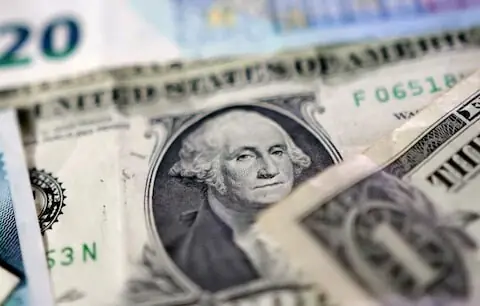

HONG KONG: The US dollar drifted on Tuesday as traders weighed developments in the Iran war, while the Australian dollar eased slightly ahead of an expected rate hike from the country’s central bank later in the day.
The euro was 0.12% lower at $1.1492 in Asian trading, while sterling was also down 0.1% at $1.33, pulling back the sharp gains from the previous session.
The dollar index was little changed at 99.913.
Sentiment turned jittery again after several American allies rebuffed US President Donald Trump’s request to send warships to escort oil tankers through the Strait of Hormuz, casting fresh doubts on hopes that energy exports can begin to normalize soon.
Surging oil prices due to the US and Israel’s war on Iran have made investors more worried about inflation, triggering a sharp repricing of rates outlooks across the globe.
That has lifted the US dollar against most currencies.
Attention now shifts to the Reserve Bank of Australia meeting later in the Asia-Pacific session, with markets now pricing in a roughly 78% chance of a 25-basis-point hike.
The Australian dollar fetched $0.706, down 0.16%, while the New Zealand dollar was down 0.24% at $0.5848.
“The policy response to the crisis will begin to crystallise in the coming days” with market pricing shifting to reflect either imminent hikes or at least less easing than what was expected prior to the crisis.
Policy uncertainty has risen too and there will likely be division among central bankers about whether policy should react to the supply shock or look past it, he added.
The RBA meeting kicks off a series of central bank conclaves this week that investors will parse to gauge policymakers’ views on the war’s impact on inflation and growth.
The Japanese yen weakened to 159.35 per dollar, just shy of the crucial 160 level, despite verbal warnings from Japanese authorities on Tuesday. Analysts expect the bar for an intervention to be higher because of rising oil prices.
The yen is down more than 2% against the dollar since the war broke out at the end of February.
“While the sharp rise in the oil price is helping drive a bid for USDs, the yen is coming under pressure simply because high oil prices and Japan’s heavy reliance on energy imports risks stoking inflation and a significant deterioration in its trade balance,” said Prashant Newnaha, senior rates strategist at TD Securities.
“At some point authorities will need to determine whether to protect the yen or the bond market. They can’t have both.”






















Comments
Comments are closed for this article.