


Global energy shocks: Country has potential to reduce vulnerability: PDP
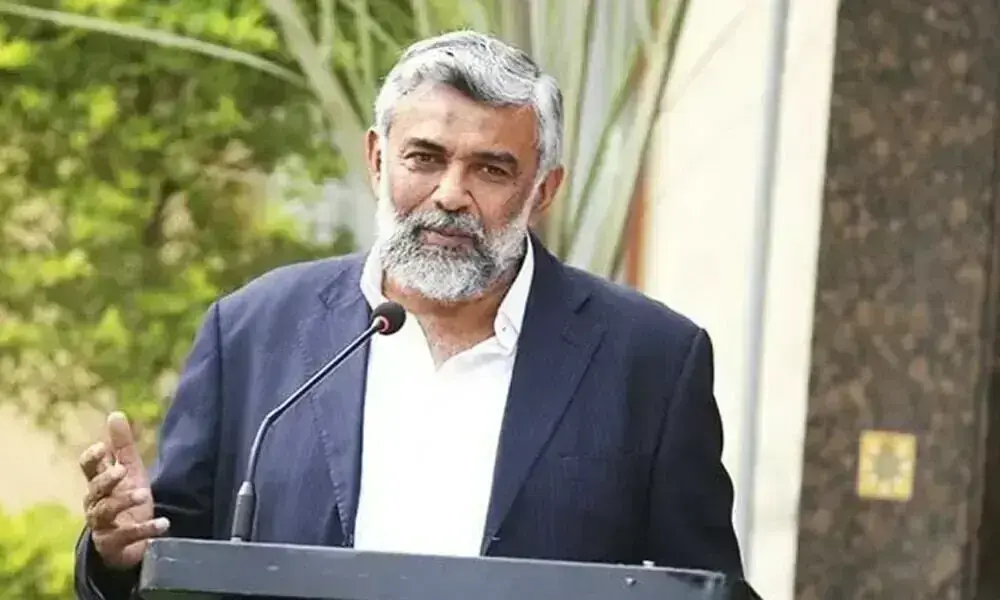
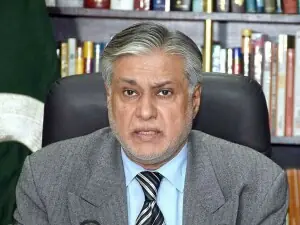
KARACHI: The ongoing crisis in the Middle East has exposed our deep vulnerability to global energy shocks, demanding that the country must turn to domestic oil and gas for energy security, said Pasban Democratic Party (PDP) Chairman Altaf Shakoor here Sunday.
He said as tensions escalate and the possibility of supply disruptions looms, oil prices have begun to fluctuate sharply in international markets. For Pakistan—an economy already burdened by a fragile balance of payments and high inflation—such volatility carries serious consequences.
He said we import the majority of our petroleum requirements, and our oil import bill runs into billions of dollars annually. Every spike in global prices quickly translates into higher fuel costs, rising electricity tariffs, and additional pressure on foreign exchange reserves. The unfolding geopolitical uncertainty is therefore a stark reminder that Pakistan’s long-term energy security cannot depend indefinitely on external supplies.
Altaf Shakoor said despite this dependence, Pakistan is not an energy-poor country. Geological surveys suggest that the country possesses significant untapped reserves of oil and natural gas across its sedimentary basins, particularly in Sindh, Balochistan and parts of Khyber Pakhtunkhwa. Offshore areas in the Arabian Sea are also believed to hold considerable hydrocarbon potential. Yet exploration activity in Pakistan has remained limited compared to many other countries with similar geological prospects.
He said over the past several years, domestic production of oil and gas has stagnated or declined, widening the gap between demand and local supply and increasing reliance on imports. Several factors have contributed to this underdevelopment. Regulatory uncertainty, bureaucratic delays, and inconsistent policy frameworks have discouraged both local and international investors.
He said exploration companies require long-term stability and clear incentives before committing the substantial capital needed for drilling and development. In addition, security concerns in certain regions and the slow pace of approvals have further constrained exploration efforts. As a result, Pakistan has not been able to fully capitalize on its natural resource potential.
PDP Chairman said reversing this trend requires a coherent and forward-looking strategy. The government must create a stable and investor-friendly regulatory environment that encourages exploration and production. Competitive fiscal incentives, transparent licensing processes, and consistent contract enforcement can attract much-needed investment from international energy companies as well as domestic firms. At the same time, modern seismic surveys and advanced exploration technologies should be deployed to better assess the country’s hydrocarbon potential, particularly in offshore basins that remain largely unexplored.
He said equally important is the development of supporting infrastructure. Expanding pipeline networks, storage facilities, and refining capacity will be necessary to handle increased domestic production. Such investments would not only strengthen energy security but also generate employment, stimulate industrial activity, and promote development in resource-rich regions.
He said the country must also pursue a balanced and diversified energy policy. Renewable energy sources such as solar, wind, and hydropower are essential for long-term sustainability and should continue to expand. However, in the foreseeable future, oil and natural gas will remain central to Pakistan’s energy mix. Strengthening domestic hydrocarbon production can therefore serve as a practical bridge toward a more diversified and resilient energy system.
Altaf Shakoor said the recurring crises in global energy markets carry an unmistakable lesson: countries that depend excessively on imported energy remain vulnerable to external shocks.
Pakistan has the resources and the potential to reduce that vulnerability. What is needed now is political will, policy consistency, and sustained investment. By turning decisively toward the development of its domestic oil and gas industry, Pakistan can protect its economy from global turbulence and move closer to achieving true energy security.
Copyright Business Recorder, 2026












Comments
Comments are closed for this article.