


Iran war may embolden BOJ’s hawkish push, despite growth risks
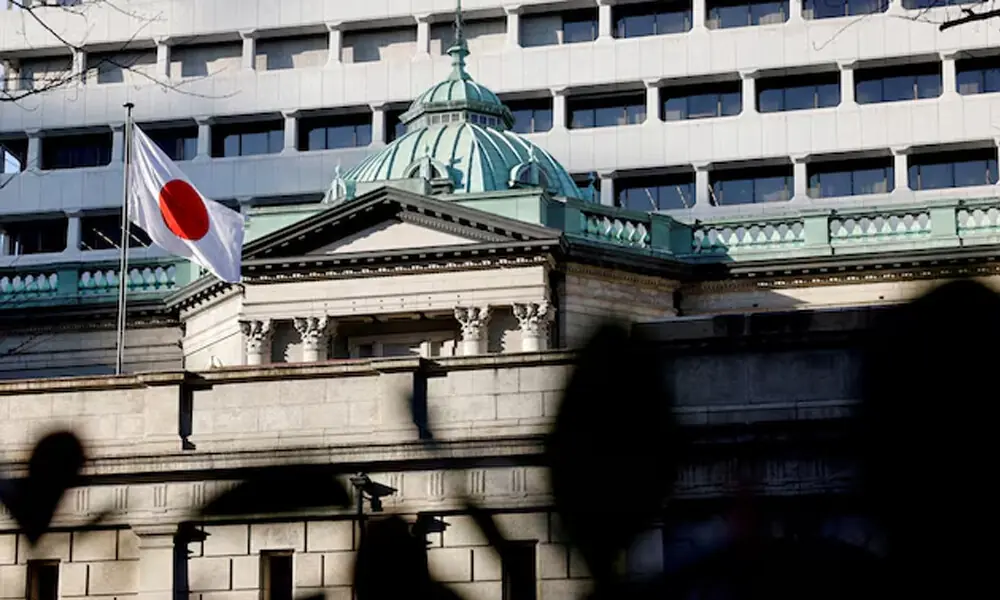

TOKYO: Fresh supply shocks triggered by the Middle East conflict may speed up the Bank of Japan’s hawkish agenda by increasing inflationary risks, leaving open the chance of another rate hike as soon as April, say four sources familiar with its thinking.
The war, which is less than two weeks old, has unleashed economic chaos on the world, leaving global policymakers unsure whether to respond with restrictive or accommodative settings.
In Japan, the BOJ’s heightened attention to price risk marks a departure from its traditional focus on cushioning the blow to growth through low borrowing costs, highlighting its changing inflation dynamics.
To be sure, there is an equal chance the conflict could trigger a global downturn that hits Japan’s fragile recovery, and forces the BOJ to overhaul its rosy economic projections and rate-hike plans, the sources say.
The war in Iran could also give the government another reason to push back against an early rate hike with dovish premier Sanae Takaichi already said to hold reservations against further increases in borrowing costs.
Yet, rising crude oil prices are predominantly expected to boost inflation before they drag on growth, which means Japan will see an initial burst of inflationary pressure that could affect public price perceptions.
“The conflict comes at a time underlying inflation is already close to 2 percent,” requiring policymakers to be vigilant to the risk of higher inflation, said one of the sources, a view echoed by three more sources.
While the conflict has heightened economic uncertainty, that alone would not deter the BOJ from conducting necessary rate hikes, a fourth source said. The sources spoke on condition of anonymity as they were not authorised to speak publicly.
The Middle East conflict has not led to a sharp reduction in market bets of a near-term rate hike with an April move priced in by roughly 60 percent, suggesting investors, too, are increasingly focusing on upside risks to inflation.
In the past, the BOJ would have looked through the impact of higher oil costs on inflation, and focused more on supporting a moribund economy, where households and firms - accustomed to decades of tepid price and wage growth - curbed spending.
That has led to a slow, cautious approach in withdrawing massive monetary support. It took two years from Russia’s invasion of Ukraine for the BOJ to exit a decade-long stimulus in March 2024, even as rising raw material costs pushed inflation above its 2 percent target.
While the central bank has since hiked rates to 0.75 percent, the slow pace has drawn criticism for pushing up import costs and broader inflation by keeping the yen weak.
This time, the BOJ may not be able to wait that long.
The conflict-driven fuel spike adds to rising import costs from a weak yen that has driven many firms to increase prices, and kept inflation above the BOJ’s target for nearly four years.
Rising prices have pushed up inflation expectations. Firms expect inflation to average 2.4 percent five years from now, while households project inflation of 9.8 percent for the same period, according to recent BOJ surveys.
After keeping wage growth stagnant for decades, a chronic labour shortage has prodded firms to boost wages including last year, when they agreed to the biggest pay hike in 34 years.
The mounting price pressure has led to growing calls within the BOJ board for steady rate hikes to avoid being behind the curve in containing the risk of too-high inflation.























Comments
Comments are closed for this article.