


PIA may reshape aviation sector by creating more competitive market: CCP
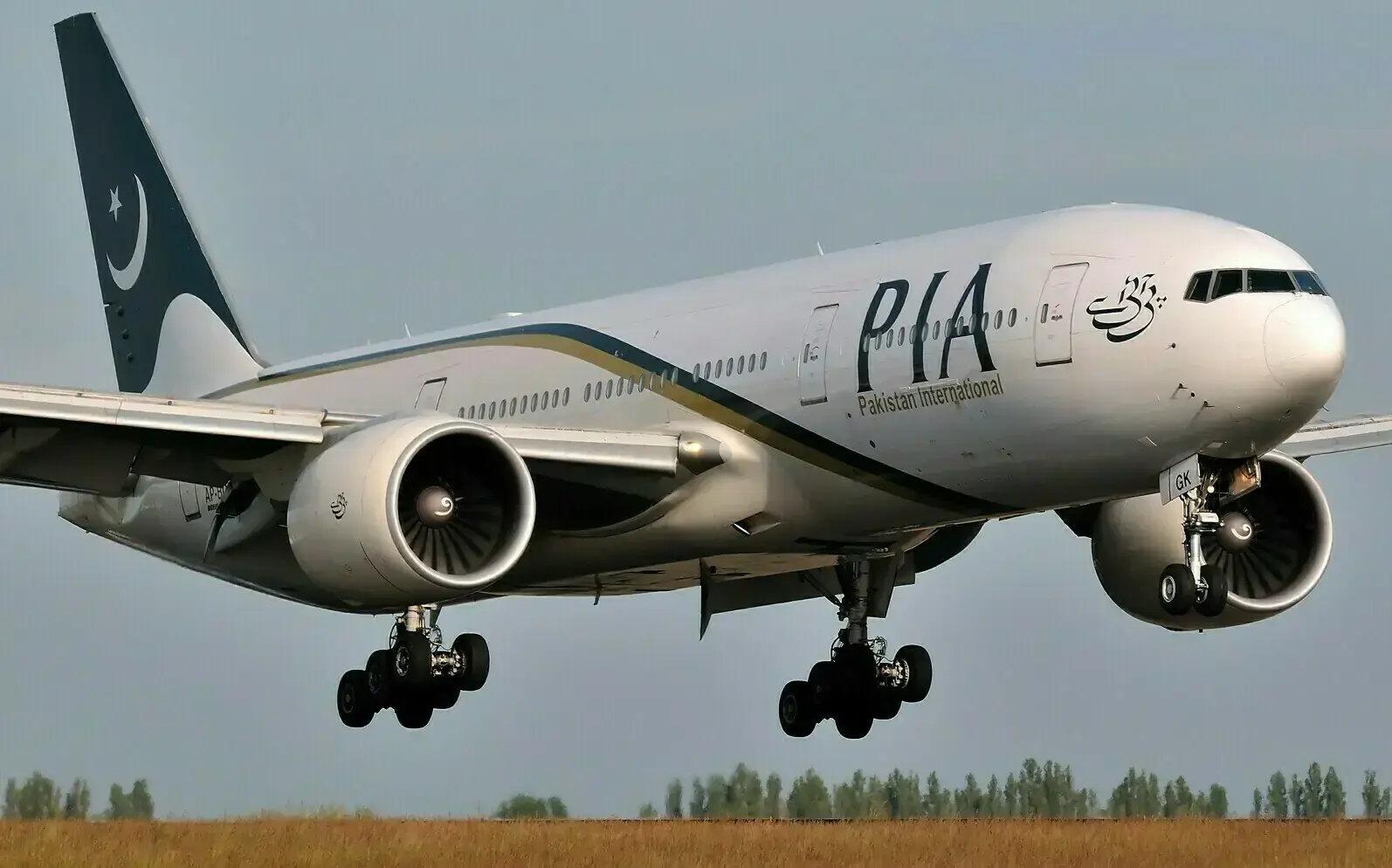

ISLAMABAD: The privatisation of Pakistan International Airlines (PIA) could reshape the country’s aviation sector by creating a more competitive market environment, though its long-term success will depend on policy reforms and fresh investment, according to a new assessment by the Competition Commission of Pakistan (CCP).
The report notes that the government placed PIA at the centre of its privatisation agenda for 2025, offering investors up to 100 percent equity and incentives such as tax relief and assumption of liabilities to attract bidders. The process culminated in December 2025 when a consortium led by Arif Habib Corporation secured a 75 percent stake in the airline with a winning bid of Rs135 billion, marking Pakistan’s first major state-owned enterprise divestment in nearly two decades.
Under the agreement, the government retains a 25 percent stake valued at roughly Rs45 billion, with the option for the new investors to purchase the remaining shares within 90 days at a premium. The consortium includes Arif Habib Corporation, Fatima Fertilizer, City Schools, Lake City Holdings and Fauji Fertilizer. Of the total bid amount, about Rs10 billion will be paid in cash to the government while the remainder will be reinvested into reviving the airline.
To make the transaction viable, the government transferred around Rs654 billion in legacy liabilities to a separate PIA Holding Company, leaving the airline with a cleaner balance sheet. The new management is expected to formally take over operations in April 2026.
The report highlights that PIA’s market position had significantly weakened over the past two decades. While the airline once held about 61 percent of Pakistan’s domestic passenger market and nearly 28 percent of the international market, its share declined to around 29 percent domestically and 15 percent internationally by 2024-25 amid operational and financial challenges.
Privatisation could bring several potential advantages, including improved financial transparency, modern management practices and a level playing field for private airlines that previously competed against a state-backed carrier benefiting from government guarantees and regulatory concessions.
The new owners plan to expand the airline’s operational fleet from about 18 aircraft to 38 in the initial phase, with a long-term target of 65 aircraft to restore competitiveness in international markets.
The lifting of flight bans by the UK and European Union in late 2025 has also improved the airline’s outlook by reopening lucrative long-haul routes, which could accelerate revenue recovery after privatisation.
However, the report cautions that the challenges facing Pakistan’s aviation sector extend beyond PIA’s operational problems. The collapse or withdrawal of several private airlines over the years reflects deeper structural issues, including intense competition from well-capitalised foreign carriers—particularly Gulf-based state-owned airlines—which dominate international traffic through strong hub networks and access to low-cost capital.
Stakeholders interviewed for the study broadly supported privatisation but emphasised that its success will depend on substantial capital investment, fleet modernisation and professional management. Without these reforms, they warned, privatisation alone may not be enough to restore Pakistan’s national carrier as a strong competitor in the regional aviation market.
Copyright Business Recorder, 2026




















Comments
Comments are closed for this article.