


China’s yuan hits one-month low against rebounding dollar as Iran conflict escalates
- The yuan can trade 2% on either side of the midpoint
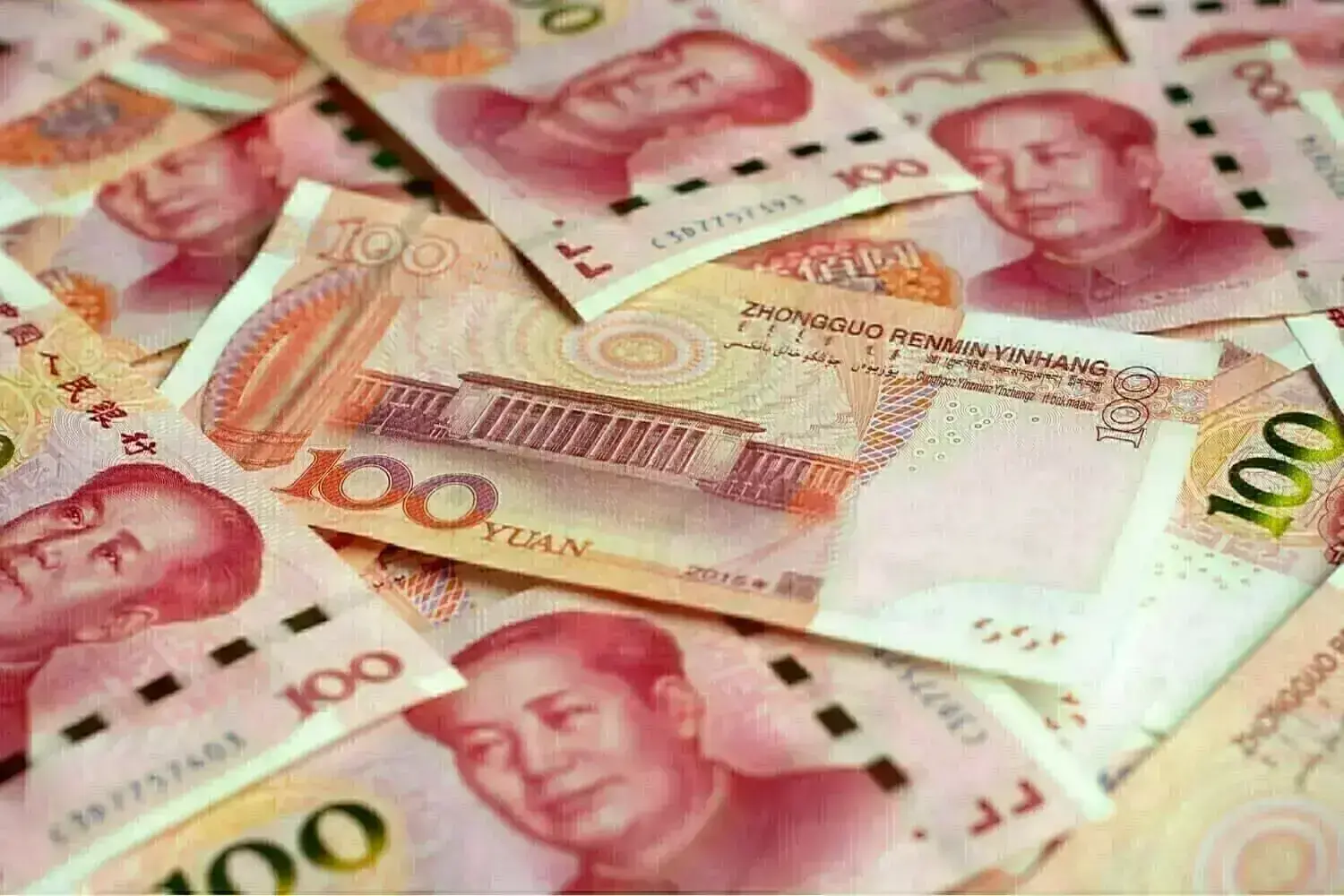

SHANGHAI: China’s yuan on Monday dropped to its weakest level in a month as the dollar reasserted its safe haven status with the escalating Middle East war roiling global markets and boosting oil prices.
Authorities’ measures to prevent one-way currency bets also contributed to the yuan’s pullback, but analysts say China’s economic restructuring should support the yuan in the long term.
The onshore yuan opened at 6.9300 per dollar, 0.3% away from the last close and the weakest level since February 9.
It changed hands at 6.9217 around midday. Prior to market open, China’s central bank set the currency’s midpoint rate at 6.9158 per dollar, roughly in line with a Reuters estimate.
The yuan can trade 2% on either side of the midpoint. The dollar index rose 0.7% in Asia trading on Monday, hitting a three-month high.
Investor hunger for liquidity kept the US dollar in demand as the US-Israel war against Iran drove up global energy prices, disrupted business and snarled air travel.
Soaring oil prices have also led to pared bets on US interest rate cuts, potentially benefiting the dollar.
“The energy shock is reshaping the logic of pricing the dollar, sending the yuan into two-way volatility,” Huatai Futures said in a note.
“The spiking energy prices reduced expectations of further monetary loosening, while the dollar also benefits from its haven status.” China’s central bank governor Pan Gangsheng said that recent moves in the dollar index as the result of the Middle East war showed “the factors influencing exchange rates are complex … and highly uncertain internationally.”
Pan told a conference on Friday that the People’s Bank of China supported the decisive role of market forces in determining exchange rates, but would use tools to curb “herd behaviour” under certain circumstances.
Nanhua Futures said the yuan was entering a phase of two-way volatility under the PBOC’s guidance and short-term dollar strength, but “over the long run, it will benefit from China’s economic restructuring and new growth engines.”
“The window for selling dollars at a good price has opened,” the brokerage said, suggesting exporters to settle their receipts around 6.90 per dollar.





















Comments