


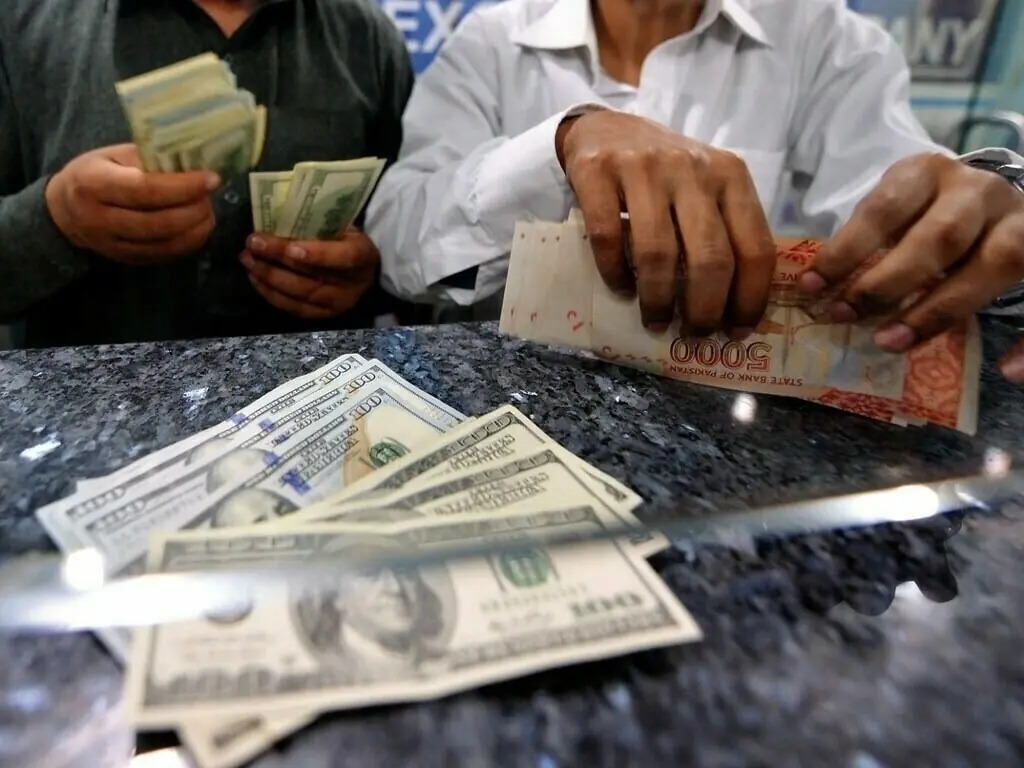
KARACHI: Vice President of the Federation of Pakistan Chambers of Commerce & Industry (FPCCI) and Joint Secretary of the Businessmen Panel Progressive, Aman Paracha has suggested that if the government offers a higher exchange rate in Pakistani rupees against the dollar to overseas Pakistanis for sending remittances, they would remit more foreign exchange to the country, thereby strengthening the national treasury.
He welcomed the 1.25% increase in textile exports during the first seven months (July–January) of the current fiscal year 2025–26, which reached USD10.904 billion. However, he expressed concern over a sharp 40.51% decline in rice exports, which fell from USD2.194 billion to USD1.305 billion.
At the same time, he noted that national imports are continuously rising, particularly imports of petroleum products and mobile phones, which are putting pressure on the national exchequer.
He added that the lack of infrastructure and deteriorating roads across all districts of Karachi are forcing commuters to spend more on fuel, thereby increasing the petroleum import bill and placing further strain on the country’s foreign exchange reserves.
Aman Paracha stated that the July–January period has been relatively satisfactory for the textile sector, as exports have shown some improvement. However, after the signing of a Free Trade Agreement (FTA) between India and the European Union, Pakistan must adopt an effective strategy to strengthen trade relations with European countries and counter India’s competitive advantage.
He further explained that during the seven-month period, knitwear exports amounted to USD3.098 billion compared to USD3.033 billion last year.
Similarly, bedwear exports increased from USD1.868 billion to USD1.92 billion, and ready-made garments rose from USD2.441 billion to USD2.58 billion.
Aman Paracha also pointed out that mobile phone imports increased by 31.4% during the first seven months of fiscal year 2025–26, despite a large number of mobile phones being manufactured locally. This indicates a significant rise in mobile phone usage. During the same period last year, mobile phones worth USD867.685 million were imported, whereas in the current fiscal year’s seven months, imports increased by more than 31.36%.
He expressed satisfaction that Pakistan recorded a current account surplus of USD121 million in January 2026. During January, Pakistan received USD3.46 billion in workers’ remittances, compared to USD3.59 billion in December 2025. On a monthly basis, the external account improved from a deficit of USD270 million in December 2025 to a surplus of USD120 million in January 2026.
Copyright Business Recorder, 2026
















Comments
Comments are closed for this article.