


Experts question impact of NEPRA-approved prosumer regulation 2026 on consumers, solar growth
- They call on to examine the economic, legal and structural implications of the revised regulatory framework
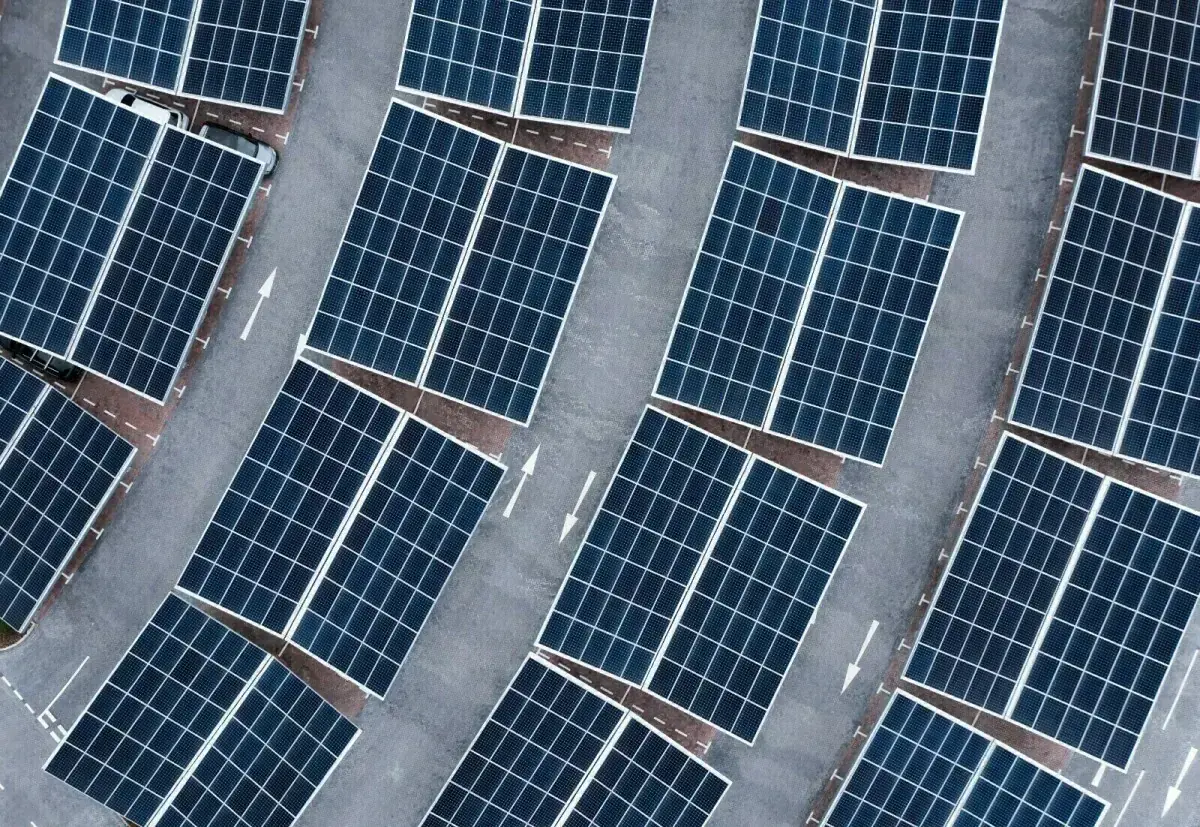
Energy experts and lawmakers have raised concerns over the potential impact of the newly approved Prosumer Regulation 2026 by the National Electric Power Regulatory Authority (NEPRA), warning that changes to the net metering framework could affect consumer rights, regulatory predictability, and the pace of distributed renewable energy adoption in Pakistan.
The concerns were voiced during a high-level briefing convened by the Parliamentary Forum on Energy and Economy to examine the economic, legal and structural implications of the revised regulatory framework, according to a press release.
Sher Ali Arbab, co-convenor of the forum, said the rapid expansion of rooftop solar installations in recent years had largely been driven by rising electricity tariffs and persistent grid unreliability.
“Citizens invested in rooftop solar largely as a response to systemic weaknesses in the power sector,” he observed, stressing that regulatory stability remains critical to sustaining public confidence in clean energy investments.
Read More: Net-metering vs net-billing: another case of elite capture?
Imtiaz Hussain Baloch, Director General Licensing at NEPRA, outlined the rationale behind the Prosumer Regulation 2026, stating that the revised framework aims to address revenue recovery concerns, cost allocation issues and grid sustainability amid increasing penetration of distributed solar generation.
However, policy analysts cautioned that altering financial terms for net metering could undermine investor confidence.
Manzoor Ahmed Ali Zai of the Policy Research Institute for Equitable Development (PRIED) said households that made long-term investments under the previous regime had legitimate expectations of policy continuity.
He warned that abrupt changes could disproportionately affect middle-income consumers who adopted renewable energy in good faith.
Waqas Moosa, Chairman of the Pakistan Solar Association, said the revised framework may significantly extend the payback period for rooftop solar systems and slow future adoption.
He added that weakening incentives for distributed generation could push consumers towards battery storage solutions and partial disengagement from the national grid, potentially creating additional financial and operational pressures for the power sector.
Participants also expressed concern over the pace at which the regulation was finalised.
Several speakers stressed that reforms carrying broad financial and legal consequences for thousands of consumers require wider consultation, transparent impact assessments and adequate time for public scrutiny.
During the discussion, lawmakers underscored Parliament’s constitutional role in overseeing major regulatory changes with far-reaching economic and social implications. They called for more structured engagement between regulatory authorities and parliamentary forums prior to the approval of significant policy shifts.
In her closing remarks, Dr Nafisa Shah, Co-Convenor of the Forum, said the Prosumer Regulation 2026 should be viewed not merely as a tariff adjustment but as a policy decision with long-term implications for investor confidence, consumer protection and Pakistan’s clean energy transition.
She called for greater transparency in impact evaluations and continued parliamentary engagement to ensure energy reforms remain equitable and accountable.
The parliamentary forum on Energy and Economy reiterated its commitment to promoting evidence-based dialogue and legislative scrutiny on key energy and economic policy matters.




















Comments
Comments are closed for this article.