



In a world awash with radical ideas and spiralling violence, the “sounds of silence” from Simon & Garfunkel’s 1964 song have come to symbolize apathy in our society and a general avoidance of those things that are uncomfortable to deal with. This silence is poignantly heard in the face of extremism—both the good and the bad. Good extremism propels ethical advancement.
The nonviolent crusade of Martin Luther King Jr. for civil rights, he once described as radical love in his 1963 Letter from Birmingham Jail. Bad extremism, on the other hand, is destructive through hate-filled violence. Examples include terrorist acts committed by supremacist groups.
Yet, ubiquitous silence—in the form of inaction, self-censorship, or selective complicity—continues to empower the latter at the expense of the former. This dynamic from both global and Pakistani perspectives contends that breaking the silence is necessary for positive radicalism to thrive and for the dissipation of destructive forces.
Extremism is not homogeneous; it can catalyse change or catastrophe depending on intent and method. Scholars differentiate “good” religious extremism as providing communal benefits, such as social services and mutual aid in failing states, whereby sects often distribute education, healthcare, and insurance more efficiently than governments do.
For example, Islamist groups in Egypt, Palestine, and Indonesia have constructed support through welfare networks, nurturing stability among the poor.
The global dynamic isn’t always negative either—extreme positions, such as utter abstinence from harmful substances or fervent advocacy for human rights, can be rational and morally superior to tepid moderation.
John Stuart Mill’s great defence of unbridled discourse makes this point: even outlier views deserve expression to challenge flawed norms, as has occurred in movements for Scottish independence or anti-colonial struggles.
On the other hand, “bad” extremism weaponizes ideology for exclusion and violence. Sectarian structures allow militancy when groups are in competition for political monopoly, repressing rivals in repressive regimes.
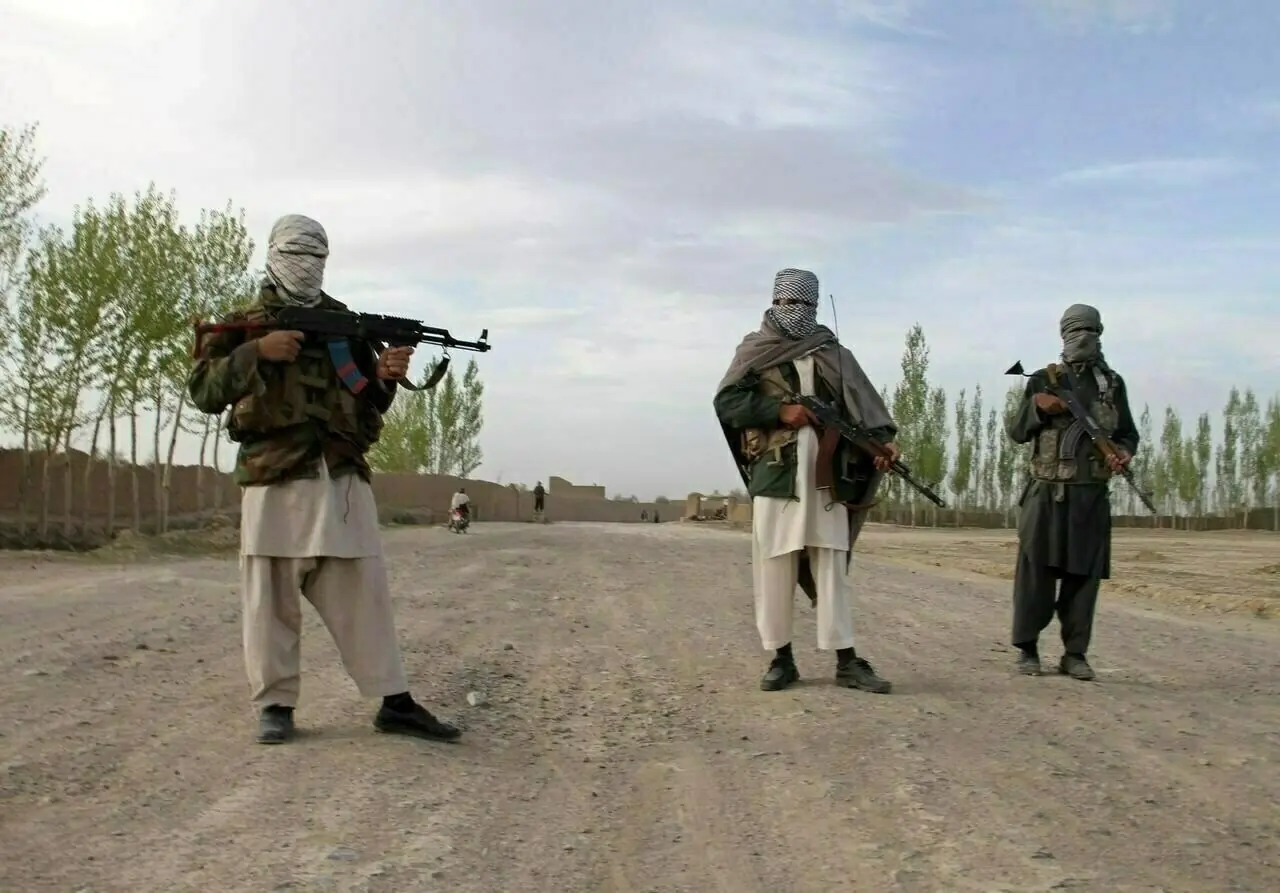
Lethal variants, such as the suicide bombers of Hamas or the Taliban, come not from theology but from pragmatic mobilization in the face of scarcity and outcompete secular adversaries owing to high-commitment networks, such as those promoted in France or Egypt, prove counterproductive in that they conflate conservatism with violence and undermine the legitimacy of moderate voices, creating vacuums for jihadists.
In Tunisia, state-controlled imams lost all credit under Ben Ali, allowing Salafis to seize mosques after the revolution. Social media accelerates this process internationally, insofar as fostering echo chambers that normalize hate while silencing dissent, as in the role of the US far-right in the riot of January 6, 2021: attack on the US Capitol.
The so-called “sounds of silence” become the spiral of silence, where fear of ostracism silences opposition to dominant extremes. This, in fact, is how bad extremism is abetted worldwide by complicity: bystanders’ inaction during the Holocaust parallels modern failures to address far-right riots in the UK, where racism and extremism go together with mental health crises amid political neglect.
In Nordic countries, too, it is a lack of policy that has allowed ugly undercurrents to continue unabated despite initiatives to build resilience through civil society partnerships. Amongst gaming platforms, with which radicalization increasingly intersects, UN studies reveal virtual recruitment of vulnerable youth across the world.
The good-bad dichotomy denotes the dual potential of extremism from a global vantage, now increasing amidst rising nationalism and division. In the Middle East, the Hezbollah, an Iranian-backed network, provides “good” services like clinics, yet surge into “deadly” violence against Israel, showing how organizational efficiency tips into terror when stakes heighten.
Europe’s Salafism handling has pointed out various pitfalls: while purist Salafis eschew violence, state reforms alienate them, and fringes are pushed toward jihad, as has happened in post-2011 Tunisia.
In the US, sectarian Christians yield health benefits through commitment, but the silence over inequality is used by political sects such as white supremacists to radicalize. Worldwide in 2025, tensions from debates on Canadian nationalism to new Australian anti-extremism laws show how surges of the far right, amplified by social media, flourish on public hush.
The UN warns that silence on these “ugly” faces tolerates wider instability and invites competition among faiths to temper zeal, just as Adam Smith’s laissez-faire model did in America. Silence here is not neutral; it is policy failure. It allows bad extremism to capture monopolies.
The good-bad extremism trap in Pakistan, state alleged complicity, breeds a perilous duality. This is the inheritance of four decades of radicalisation, where the region has been teeming with Pakistani nationals in terror ranks from Baloch insurgents to Kashmiri suicide squads, despite fatwas issued against such acts under the National Action Plan.
One would like to critique this pattern through Mahmood Mamdani’s framework of Good Muslim, Bad Muslim, where “bad” Muslims are branded as terrorists and “good” ones are those acting in tandem with western proxies, totally forgetting that US-Pakistan alliances in Afghanistan sowed the seeds of the Taliban.
This is compounded by societal silence on such issues. That UN sanctions notwithstanding, designated terrorists can lecture freely and raise funds without any check, while allegedly civilian governments bear the backlash and the military pulls strings from behind, as eloquently explained: UNSC – Sanctions List (2025).
Public anxiety about possible reprisal has silenced any critique of controversial laws or sectarian violence, a scenario common in global Islamic extremism, where a 2005 Pew poll demonstrated deep concerns within Pakistan as in Western countries.
Islamic perspectives hold that radicalization can be countered organically by social reforms in education and governance, since extremism is basically a deviation from the true faith’s emphasis on justice.
All of this hush was exposed when FATF threatened to grey-list it in 2018: failure to shut down madrassas and unheeded recruitment risked isolation, with inward threats like Tehreek-e-Taliban Pakistan evolving into existential ones.
Shattering this silence demands an end to the good-bad dichotomy and fosters dialogue on taking back “good” extremism for development.
It also furthers silence worldwide and in Pakistan through algorithms that push divisive content down the feeds of consumers while reformers are relegated.
In response, policy should foster the competition of religions and secular services that work in other countries like Egypt to nationalize institutions and hamper terrorism. Such initiatives by UNDP in Pakistan might enable voices to call for radical inclusion.
It is the silence that makes the roar of bad extremism louder, drowning the good impulses. From the dual edges of global sects to Pakistan’s strategic hush, such apathy invites catastrophe.
John Stuart Mill in On Liberty (1859) had, for example, famously argued that freedom of speech and expression is essential for the discovery and maintenance of truth, even when the opinions expressed are false, unpopular, or extreme. By distinguishing and amplifying ethical radicalism, societies worldwide, including Pakistan, can silence destruction’s echo for a harmonious future.
Copyright Business Recorder, 2026
The author is former IGP KPK/Gilgit-Baltistan/ex DG FIA and PhD in law, currently visiting faculty in law university Karachi.




















Comments
Comments are closed for this article.