


EU lawmakers approve fast-track deportations of rejected asylum seekers
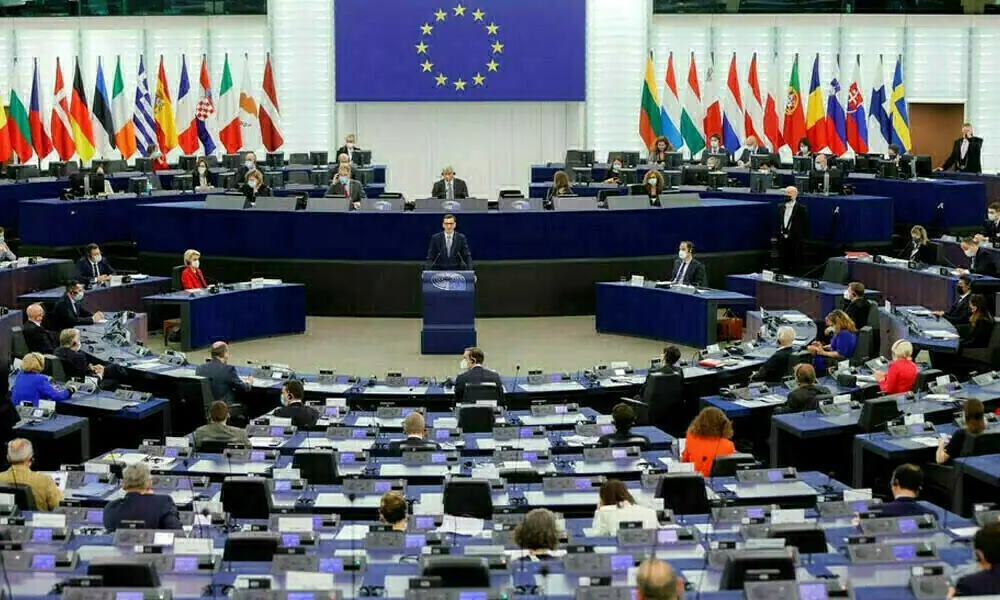

BRUSSELS: European lawmakers approved changes to the European Union asylum system on Tuesday, paving the way for fast-track deportations of rejected asylum seekers, underlining the rise in anti-immigration politics over the past decade.
The text, which requires final formal approval from the 27 EU member governments, marks a sharp hardening of EU migration policy that has taken shape since an influx of over a million refugees and migrants in 2015-16.
The move drew heavy criticism from humanitarian groups who said it could lead to human rights violations and a diminution of asylum rights under a 1951 convention that prohibits returns of asylum seekers to countries where they could be in danger.
The European Parliament approved changes to the Asylum Procedures Regulation to introduce a list of countries deemed “safe” to which failed asylum seekers could be returned. The list includes countries such as Egypt and Tunisia whose human rights records have come under scrutiny.
Under the new rules, EU countries may reject an asylum application if the person could have received protection in a country the bloc considers safe.
Lawmakers also agreed on a regulation to establish EU-wide rules on migrant returns, including obligations on those issued with return orders for the first time.
Migrants who fail to leave voluntarily could face prison time for non-cooperation as part of the new rules. The new rules will also let EU countries set up “return hubs” outside the EU, like those established by Italy in Albania.
The changes stem from an EU set of rules and processes for handling migration known as the Migration Pact, approved in 2023 but not due to be fully implemented until June 2026.
Anti-immigration rhetoric has surged throughout the EU since more than a million people, mainly from Syria, arrived via the Mediterranean in 2015. That sentiment has boosted public support for right-wing nationalist parties, pushing governments to adopt increasingly restrictive migration policies focused on returns.
“These new texts represent a further step in the dehumanisation of the European Union’s migration policy, trampling on fundamental rights and the dignity of individuals,” said French Green lawmaker Mélissa Camara.
“The text on safe countries of origin will place hundreds of thousands of people in situations of great danger. Third countries will be deemed safe despite an extremely worrying human rights situation.”.




















Comments
Comments are closed for this article.