


NASA Moon mission launch delayed to March after test
- Teams worked through a liquid hydrogen leak at a core stage interface during tanking, which required pauses to warm hardware and adjust propellant flow, statement says
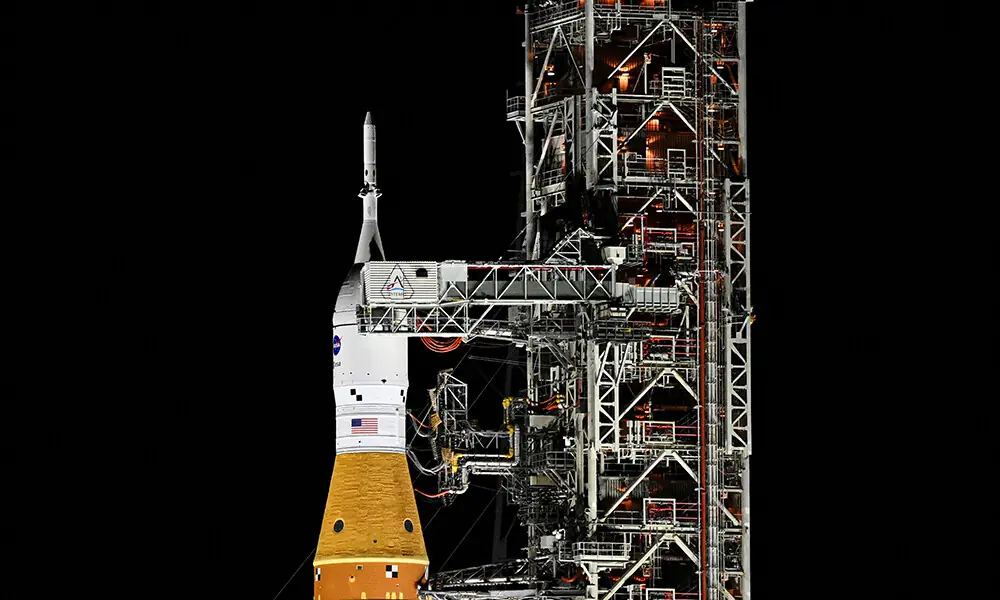

NEW YORK: NASA said Tuesday it is pushing back to March the launch of its first crewed flyby mission to the Moon in more than half a century after encountering a fuel leak during a key test.
“With the conclusion of the wet dress rehearsal today, we are moving off the February launch window and targeting March for the earliest possible launch of Artemis II,” NASA Administrator Jared Isaacman said in a statement on X.
During the simulated launch, “teams worked through a liquid hydrogen leak at a core stage interface during tanking, which required pauses to warm hardware and adjust propellant flow,” the statement went on.
All tanks were filled and the countdown reached about T-5 minutes before the leak worsened and operations were stopped, according to Isaacman.
READ MORE: NASA astronauts head home on SpaceX capsule after drawn-out space station stay
The official added: “We will only launch when we believe we are as ready to undertake this historic mission.”
At approximately 11:25 am EST (1625 GMT) on Monday, the launch director of the Artemis 2 mission gave the green light to begin loading cryogenic liquid propellant into the giant rocket at the Cape Canaveral launch pad in Florida as part of the rehearsal.
The exercise was meant to be the last major test before the launch, initially slated for February.
The US space agency had intended to begin the tests over the weekend, but postponed plans due to forecasts of freezing temperatures at the launch site as much of the nation experienced a cold snap.
In addition to demonstrating the ability to load more than 700,000 gallons of cryogenic propellants into the 322-foot (98-meter) rocket, teams simulated a launch countdown, and practice safely removing the propellant.
The plan had been for NASA to send their Artemis 2 team of four astronauts on the Moon flyby as soon as February 8.
The astronauts will now be released from quarantine before starting again about two weeks out from the next targeted launch opportunity.




















Comments
Comments are closed for this article.