


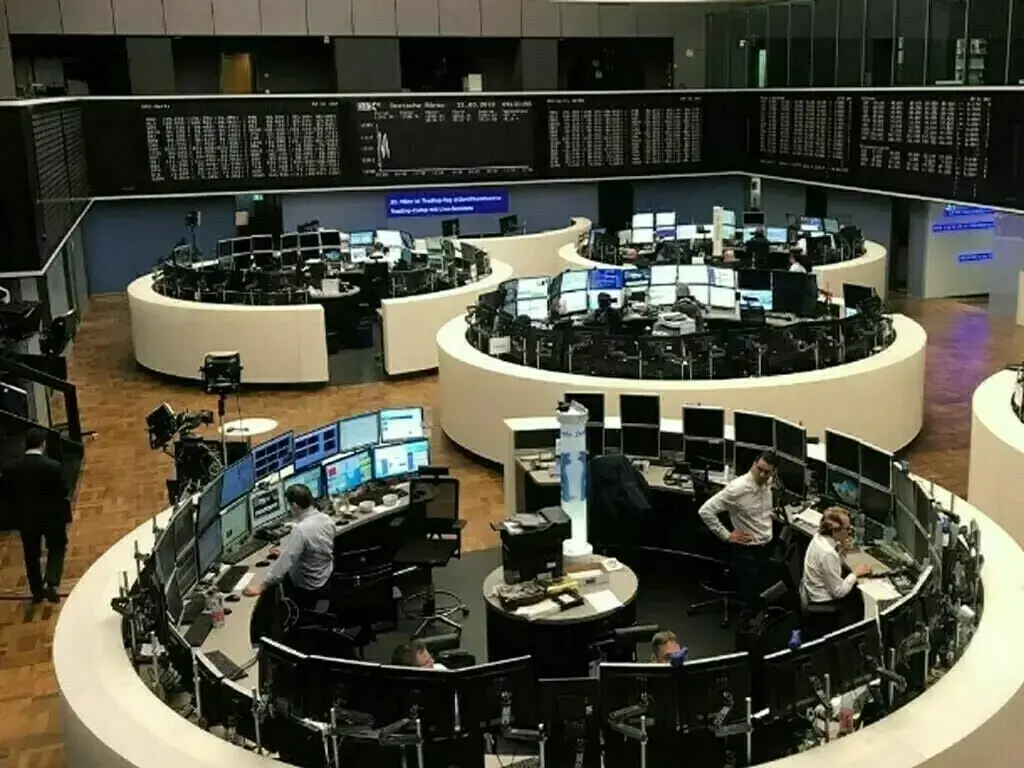

FRANKFURT: European shares ended higher on Monday, underpinned by gains in financials in the run-up to earnings from big banks later this week.
The pan-European STOXX 600 traded choppily for most of the session and closed up 0.2 percent at 609.83 points - its highest in over a week. Banks led gains among sectors with a 1 percent gain each. Earnings from several major lenders such as Germany’s Deutsche Bank and Britain’s Lloyds are due later this week and earnings from financials overall are expected to increase 4 percent, according to data compiled by LSEG on Thursday.
The tech sector will also be scrutinised for signs of AI monetisation when sector heavyweights in the US such as Microsoft and Apple report results later in the week.
“Risk assets tend to make headway early in a new year, but that can experience a reassessment once the data and the corporate earnings start to come through. That’s probably the key vulnerability right now,” said Jeremy Batstone-Carr, European strategist at Raymond James.
Traders were still recovering from last week’s bout of US-EU trade uncertainty sparked by a dispute over Greenland, while also weighing the long-term implications of US tariffs being used as a bargaining chip in an unrelated matter.
Prices of safe-haven gold and silver soared, sending mining stocks up 1.6 percent to the index’s highest since June 2008. Among Monday’s earnings, Ryanair lost 2.3 percent after reporting third-quarter results.
French food and beverage maker Danone slipped 2.3 percent, having touched its lowest in a year on recalling specific baby formula batches in certain markets. Airbus slipped 2.1 percent. In an internal letter seen by Reuters, CEO Guillaume Faury warned staff that the planemaker must be ready to adapt to unsettling new geopolitical risks. Also limiting gains was a 1.6 percent drop in defence shares.
On the other hand, sportswear maker Puma shot up 16.9 percent, recovering from Friday’s 14 percent slide. On policy, the spotlight will be on the Federal Reserve’s interest rate decision later this week. The Fed is expected to leave borrowing costs unchanged, but concerns about its independence are likely to be centre stage.
Globally, speculation was rife about potential Japanese central bank intervention in currency markets, which lifted the yen to a two-month high against the dollar. This sentiment also weighed on the euro, which lost 0.7 percent to hit its lowest level against the yen in more than one month.

























Comments
Comments are closed for this article.