


Copper rangebound as investors wait for fresh catalysts
- The benchmark three-month copper on the London Metal Exchange dropped 0.50% to $12,901 a ton, still hovering below $13,000 level
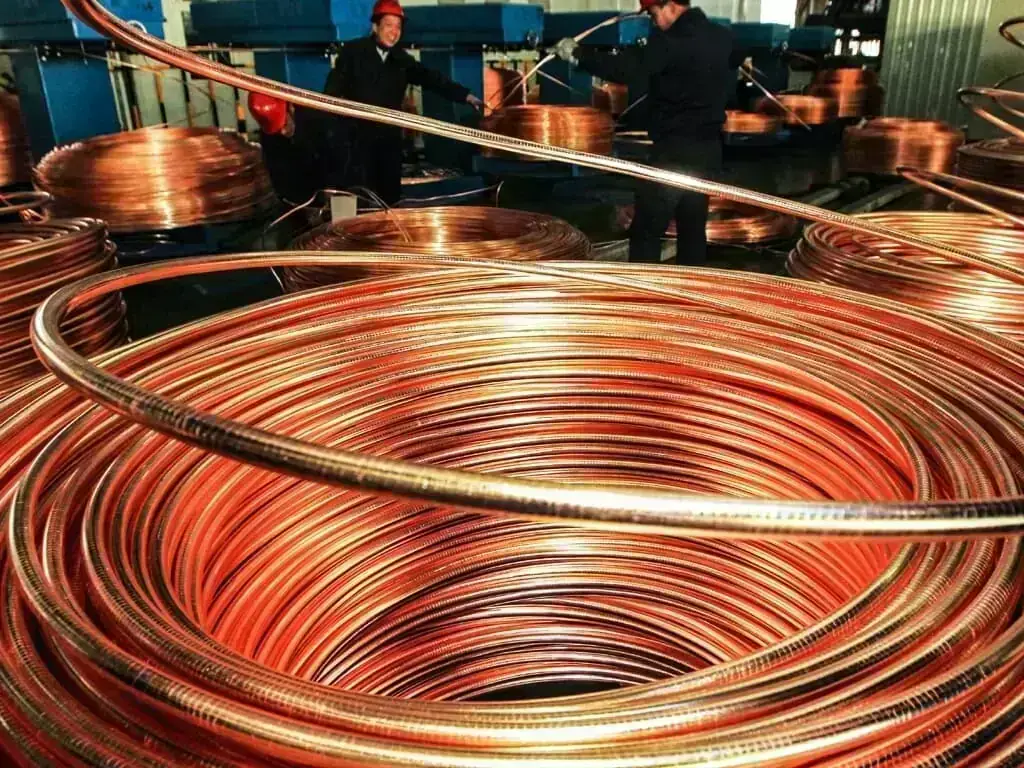
Copper was rangebound on Tuesday, as investors awaited fresh catalysts to push the price to break through in either direction.
The most-active copper contract on the Shanghai Futures Exchange rose 0.35% to 101,000 yuan ($14,509.62) a metric ton as of 0330 GMT.
The benchmark three-month copper on the London Metal Exchange dropped 0.50% to $12,901 a ton, still hovering below $13,000 level.
The rebound in London copper on Monday lost steam as investors remained cautious in the midst of geopolitical risks, favouring safe-haven assets such as gold, which is holding near record high.
The Monday rebound was supported by a weaker dollar after US President Donald Trump threatened additional tariffs as part of his push to take over Greenland, while data revealed China’s economy showed resilience by hitting its growth target in 2025.
Copper was the best performer among base metals last year, gaining more than 41% in London and 33% in Shanghai in a record-setting rally.
Elsewhere in the base metals market, Indonesia’s nickel policy remained in focus.
Nickel miner PT Vale Indonesia said on Monday that the mining production quota it received will likely be insufficient to meet demand from the smelters in its pipeline for this year.
This came after Indonesian government last week said it might approve a quota of around 260 million tons for nickel ore production in 2026, which was seen as a reduction from the volume was approved in 2025 and would fall short of demand.
The most-traded nickel contract pulled back after rising 2.36% to 144,180 yuan a ton, only posting a 0.08% gain.
The benchmark three-month nickel lost 1.45% to $17,870 a ton.
Elsewhere among SHFE base metals, aluminium dipped 0.31%, zinc lost 0.45%, lead dropped 0.32% and tin gained 2.26%.
Among other LME metals, aluminium dropped 0.78%, zinc nudged 0.14% lower, lead dipped 0.27% and tin was little changed.


















Comments
Comments are closed for this article.