



From its very inception, the Pakistan People’s Party has shaped Pakistan’s political and constitutional imagination. Under the leadership of Shaheed Zulfikar Ali Bhutto, the country received its most enduring democratic gift: the 1973 Constitution. As Pakistan’s first unanimously adopted constitutional framework, it anchored parliamentary democracy, guaranteed fundamental rights, and balanced federalism at the heart of the state.
The promise of Roti, Kapra aur Makaan was never merely rhetorical; it was a moral contract that found its expression in labour reforms, an independent foreign policy, and the strategic foresight behind Pakistan’s nuclear programme. This democratic architecture was further consolidated decades later through the 18th Amendment, which restored parliamentary supremacy and devolved power, fundamentally redefining the federation.
It is within this historical continuum that the governance of Sindh since 2008 must be evaluated. Often assessed through a narrow lens of administrative missteps or fleeting controversies, Sindh’s experience reflects a more complex and grounded reality. Sindh has remained a province where dissent is accommodated rather than silenced, sustaining a democratic culture that is lived rather than merely proclaimed. Operating within the expanded constitutional space created by the 18th Amendment, governance has prioritised development responsive to local needs instead of centralised templates.
Healthcare transformation stands as one of the most visible outcomes of this approach. The provincial health budget has increased from 2.9 percent to nearly 10 percent, enabling public hospitals to serve patients irrespective of identity or income. Karachi’s Jinnah Postgraduate Medical Centre today hosts the world’s only CyberKnife cancer treatment facility offering services entirely free of cost, catering to patients from 178 cities and 24 countries. The National Institute of Cardiovascular Diseases has emerged as the largest free cardiology network in the region, treating 2.9 million patients in a single year.
This expansion has been reinforced through internationally recognised public private partnership models. Ranked sixth globally by The Economist, Sindh’s partnership framework has strengthened institutions such as the Sindh Institute of Urology and Transplantation. Thousands of kidney, liver, cornea, bone marrow, and lung transplants have been performed free of cost. Services have expanded beyond Karachi to cities such as Sukkur and Larkana. Infant mortality has declined by 26 percent, reflecting sustained investments in maternal and child health.
Education and social protection form the second pillar of this vision. Universities have expanded from 10 in 2008 to 30 today, with 18 additional campuses. Following the 2022 floods, more than five thousand schools were rebuilt and one hundred thousand teachers were recruited through merit-based processes. Social protection has shifted from charity to ownership, with over two million climate resilient homes under reconstruction and land titles transferred to women. Through targeted poverty reduction programmes, more than one point four million women have accessed interest free loans with exceptional recovery rates.
Economic and infrastructural reforms further illustrate this trajectory. The Benazir Hari Card has revitalised agriculture, contributing to record wheat production. New bridges over the Indus, electric buses, pink buses, and pink scooters have improved mobility and inclusion. The Sindh Revenue Board has consistently outperformed national averages, demonstrating that decentralisation delivers when matched with institutional capacity.
As a province on the frontlines of climate change, Sindh has pursued measurable action. Mangrove cover has expanded dramatically, earning international recognition and generating carbon credit revenues. The Thar Coal project has reshaped the energy landscape while promoting social inclusion. At the same time, Sindh is accelerating its transition to renewable energy through wind, solar, and decentralised power solutions, with a commitment to provide free electricity to low consumption households.
Ultimately, governance is best judged not by rhetoric but by outcomes. Sindh’s journey reflects a sustained belief that dignity, opportunity, and justice are rights rather than privileges. Anchored in the 1973 Constitution and strengthened by the 18th Amendment, this vision has reshaped institutions and lives. It offers a living foundation for a more confident, inclusive, and just Pakistan.
Copyright Business Recorder, 2026
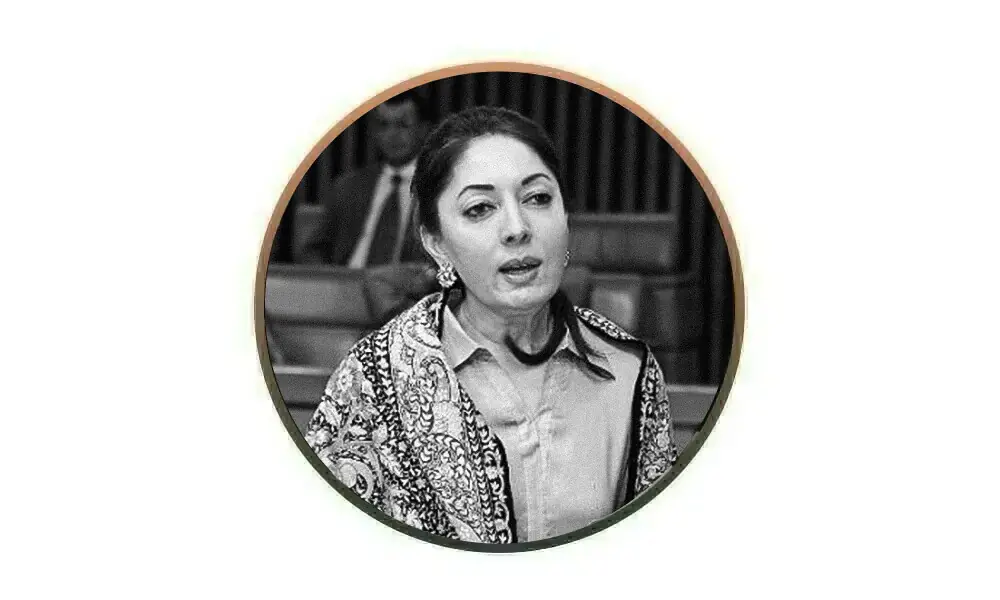
The writer is Member, National Assembly of Pakistan, PhD (Law – Gender Justice) Sitara-e-Imtiaz




















Comments
Comments are closed for this article.