


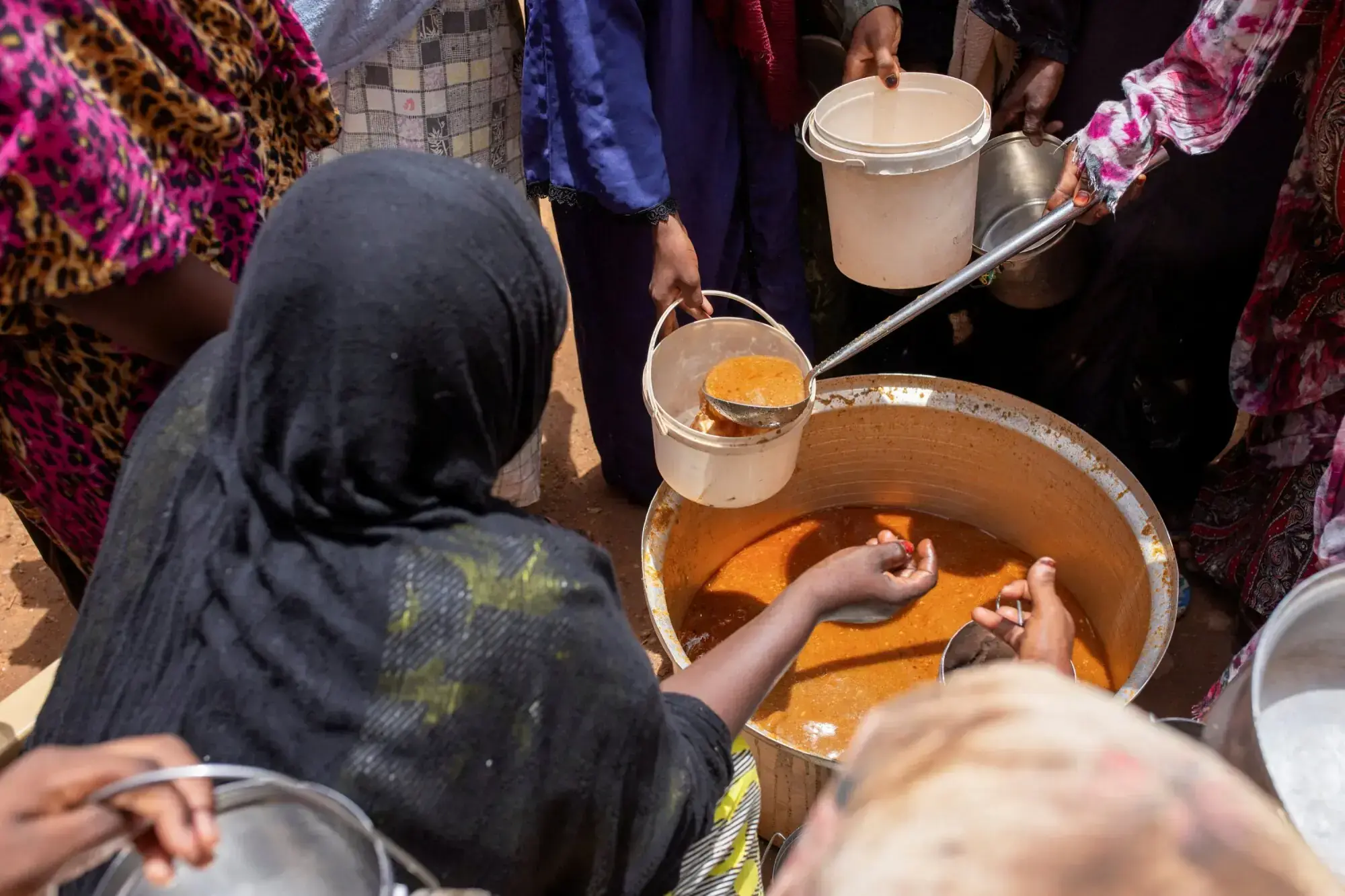
EDITORIAL: The Food Insecurity Experience Scale findings from HIES 2024–25 present a reality far more troubling than the language used to describe them. While the report refers to “significant progress yet persistent challenges” in ensuring equitable food access, the data itself points to a clear and sustained deterioration.
Moderate or severe food insecurity at the national level has risen sharply from 15.92 percent in 2018–19 to 24.35 percent in 2024–25. In population terms, this means roughly 61 million Pakistanis now live in households where access to food is uncertain. Severe food insecurity has more than doubled from 2.37 percent to 5.04 percent, implying that about 12.6 million people are facing the most extreme form of deprivation. These are not indicators of progress but of deepening vulnerability.
According to the FAO, moderate food insecurity reflects a situation in which households cannot reliably access sufficient food and are forced to compromise on quality, variety, or regularity of meals. Severe food insecurity represents a far graver condition, where households run out of food altogether and may go a day or more without eating. When viewed through this lens, the HIES findings signal not just rising discomfort, but a growing number of Pakistanis experiencing sustained nutritional stress and outright hunger.
Urban households, often assumed to be relatively protected, have experienced one of the sharpest declines. Moderate or severe food insecurity in urban areas has more than doubled from 9.22 percent to 20.58 percent, while severe food insecurity has risen from 1.24 percent to 5.12 percent. This indicates that a growing share of urban residents is now skipping meals, reducing portion sizes, or relying on cheaper, calorie-dense but nutrient-poor foods. Rural households, despite some buffering from own-production, have also seen food insecurity worsen, with moderate or severe food insecurity increasing from 19.96 percent to 26.72 percent. That severe food insecurity is now marginally higher in urban areas highlights how income erosion and food price inflation have become decisive drivers of deprivation.
Provincial disparities remain stark. Balochistan continues to record the highest share of households facing moderate or severe food insecurity at 30.26 percent, followed by Sindh at 29.42 percent. Khyber Pakhtunkhwa reports the lowest incidence at 21.54 percent and the lowest severe food insecurity rate at 1.38 percent. These differences reflect uneven economic opportunities, exposure to shocks, and the reach of social protection mechanisms. Yet even in relatively better-performing provinces, rising food insecurity suggests that existing buffers are fraying.
The income divide is even more revealing. Nearly 46 percent of households in the lowest income quintile experience moderate or severe food insecurity, compared to under-9 percent in the highest quintile. For poorer households, moderate food insecurity often means sacrificing healthcare, education, or other basic needs to afford food, while severe food insecurity pushes families into repeated episodes of hunger. The fact that food insecurity has increased across all income groups since 2018-19 indicates that the crisis is broad-based, reflecting successive shocks from Covid-19, the 2022 floods, and prolonged high inflation rather than isolated poverty alone.
The consequences extend well beyond empty stomachs. FAO evidence shows that moderate food insecurity is closely linked to poor diet quality, micronutrient deficiencies, and rising obesity due to reliance on highly processed foods. Severe food insecurity carries even heavier costs, increasing risks of physical illness, mental stress, and long-term health damage. For children, repeated exposure to food insecurity raises the likelihood of stunting, wasting, impaired cognitive development, and weaker educational outcomes, effects that permanently undermine human capital and future productivity.
It is in this context that the report’s reference to “significant progress” demands a clearer distinction between progress in measurement and progress in outcomes. Integrating the FIES into HIES and PSLM surveys is an important institutional achievement, but improved monitoring cannot be mistaken for improvement in food security itself. When the indicators show more households compromising on diet quality and more families running out of food altogether, the direction of change is unmistakable.
Pakistan’s food insecurity challenge is therefore not only a social sector concern but a growing public health and economic risk. When nearly one in four Pakistanis, or over 60 million people, faces moderate or severe food insecurity, the implications will surface in higher healthcare costs, reduced labour productivity, and deeper intergenerational poverty. The HIES 2024–25 data calls for more than reassurance. It demands targeted, adequately funded interventions that stabilise food prices, protect real incomes, and place nutrition, not just calories, at the centre of economic policy. Without such a shift, food insecurity will continue to quietly but steadily erode Pakistan’s human and economic foundations.
Copyright Business Recorder, 2026

























Comments
Comments are closed for this article.